![MaritimeJournal[Seawork]](https://www.maritimejournal.com/wp-content/uploads/2026/09/MaritimeJournalSeawork.svg)





Future fuels: what are the options?
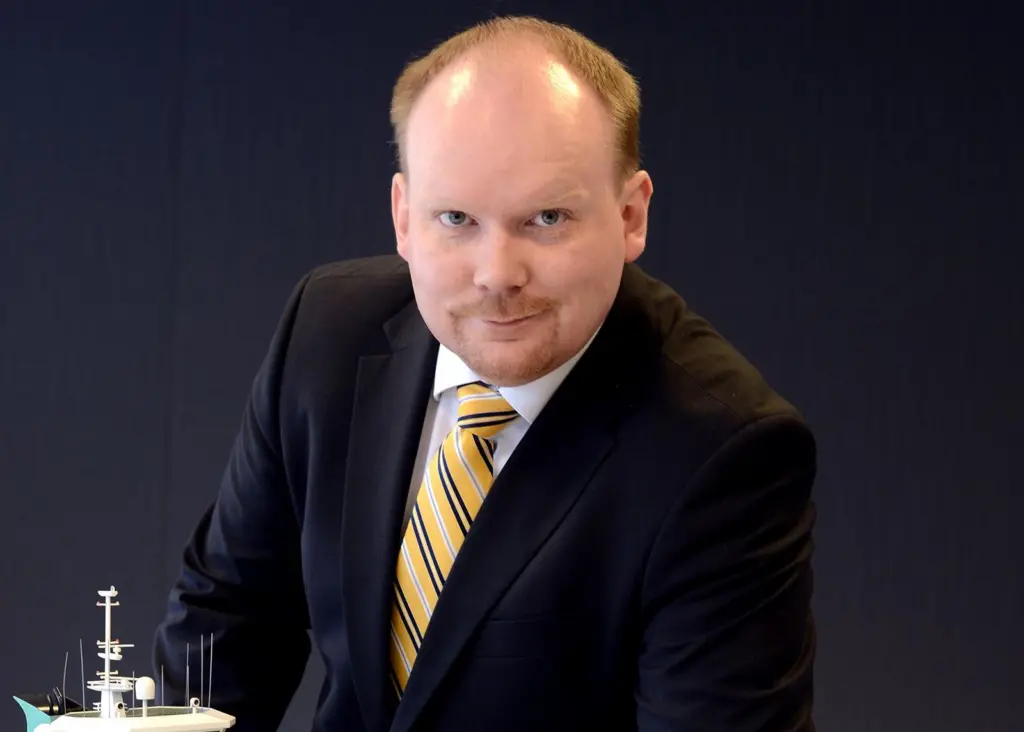
As ship owners look for alternative solutions to meet upcoming stringent emissions regulations, Oskar Levander, vice president of innovation, engineering and technology at Rolls-Royce Marine looks at the options.
Experts predict the internal combustion engine will not lose its dominant position in the market any time soon, but for vessel operators, fuel now makes up an increasing proportion of costs and ensuring their vessels are compliant is also costly. Prices are also set to rise next year, with the shift to low sulphur distillate fuel, assuming that a 0.5% global sulphur cap comes into effect in 2020. That’s in addition to the 0.1% sulphur requirements that are expected to be enforced in Emission Control Areas (ECAs) in North West Europe and North America next year.
“In the future fuel selection, we will have many more dimensions,” explained Mr Levander. “In addition to size and type, operating region and pattern will play a larger role in ECAs for low sulphur fuels. Pricing and availability also varies from one region to another.”
“Vessel range impacts fuel feasibility due to space and cost constraints. So, for two similar ships with different operating profiles, one may opt for LNG, while the other will select diesel. In fuel selection there is no longer a simple right choice,” he added.
Today, HFO powers 90% of the world’s ships and marine gas oil or diesel the rest. Over the last 10 years, LNG has emerged and is now gaining acceptance, mainly due to attractive pricing and its environmental benefits, Mr Levander said. As a result infrastructure development is rapidly moving ahead and
The main alternatives are biodiesel, methanol, dimethyl ether (DME), compressed natural gas (CNG), but Mr Levander says LNG “will be the fuel of the future for a growing number of ships”.
By Rachael Doyle
Related Articles
 OTHER NEWS
 ACCESSORIES & EQUIPMENT
 ACCESSORIES & EQUIPMENT