






Bioplastics debate
While current ‘biodegradeable’ plastics aren’t an answer to marine pollution – with work, they could play a part said the European Bioplastics Organisation (EUBP).
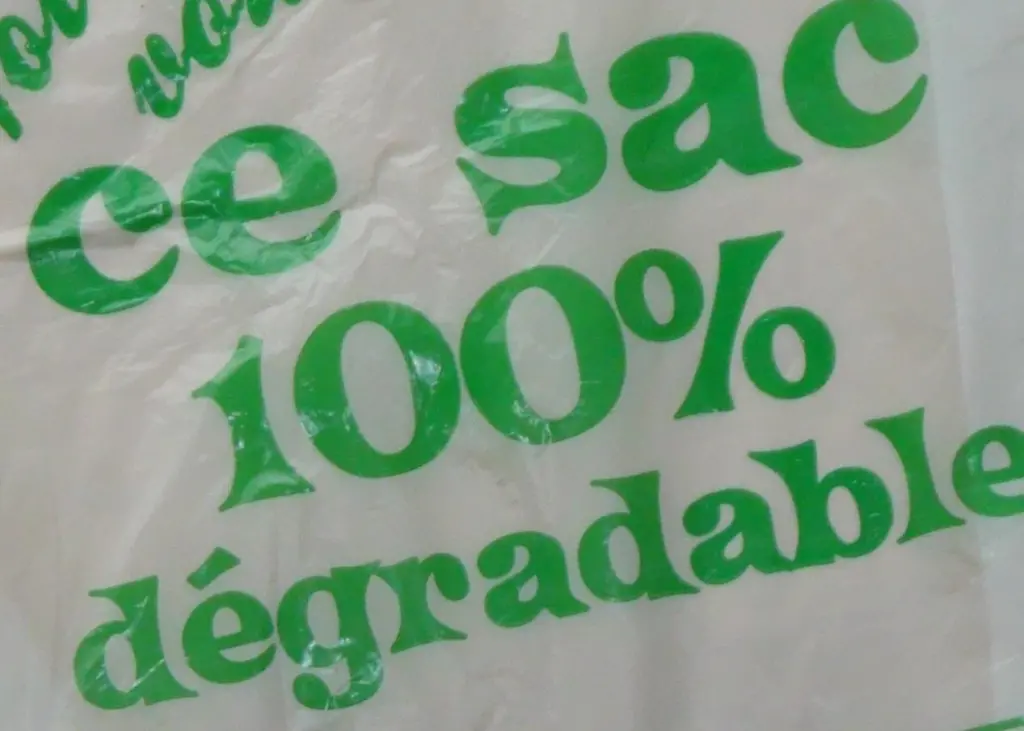
The EUPB has been, it seems, a little stung by the recent response to the United Nations report on ‘Marine plastic debris and microplastics’, as represented by the – somewhat contentious – article in the Guardian entitled ‘Biodegradable plastic ‘false solution’ for ocean waste problem’.
So, the EUPB has moved to clear up a couple of misconceptions: it does, it said in a statement, support the aims of the original UN report but underlined “recyclability…. is and has been the main focus of the bioplastics industry rather than biodegradation in marine environments”.
However, the organisation also pointed out that the report engenders confusion: There are plastics that have been designed to degrade in industrial composters at 50°C – which does help keep some plastics out of the ocean as a proportion starts as landfill. But there are also ‘oxo-degradable’ and “other additive-mediated conventional plastics that falsely claim to biodegrade”. These, it said do “pose a threat to the marine environment as their fragments remain in the ocean”.
Despite this – if backed up strict guidelines and standards – it said there may be a place for further research as “the design of products that biodegrade in marine environments can only help to reduce the impacts of marine litter in the future”.
By Stevie Knight
Related Articles
 ACCESSORIES & EQUIPMENT
 ENVIRONMENT
 MARINE CONSTRUCTION