

David Rogers: ITS Marine
Getting the appropriate technology for an extremely dynamic marine environment is one thing, but as David Rogers of ITS Marine told MJ, putting in place the right crew is equally demanding.

His own experience, which started in the Royal Fleet Auxiliary, gave him a taste for working across different nationalities in places as diverse as the Middle East and the Caribbean.
Of course, commercial vessels have particular, inherent stresses: “Senior officers on a windfarm construction ship need to be able to stand up against certain pressures,” said Mr Rogers. He is very aware of the tension: a morning’s delay could escalate costs by tens of thousands. “So getting a crew member to say, ‘something’s not quite right here’ knowing the potential outcome takes both courage and, of course, experience to back it up.”
But it’s just not that easy to find that level of expertise, he added.
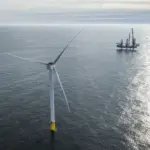
“Firstly, the construction ships are mostly jack-up vessels which means a very specific, very specialist skill set, partly because it’s a relatively new kind of vessel,” he explained. “Although jack-ups have been around the drilling industry for some time, many of the engineers on them don’t actually have a current marine engineers ticket. After all a technician on a jack-up drilling rig is not, in fact, there to be a sailor.”
It’s very different in the wind industry: “Self-propelled jack-ups for the windfarms are a ship half the time, so that means a combination of skills are required that’s fairly unique, and the pool of people to recruit from is actually quite small.”
The issue of finding specialist crew isn’t just about the vessel types or even the specific roles onboard he said there’s also the way the company works the procedures the company culture. Some people fit better than others with certain companies. “If you want someone that will stay long-term, they have to fit in. It’s not just a skill set.”
Mr Rogers doesn’t just deal with wind construction: “I find with a new project I may have to start at the bottom all over again in terms of getting to understand what’s needed,” he admitted; the research is, he said “painstaking” as it’s not just about finding an engineer, “it’s finding someone who has worked on those specific engines… or cranes, or dynamic positioning system” and it can be hard work. One particular contract “meant burning the midnight oil for a number of months” to find senior support vessel officers to work eight week rotas, on no less than half a dozen newly-acquired ships, he said.
And finally, “sometimes what’s needed is more of a counsellor,” Mr Rogers explained. “You have to put in the effort to get to know your candidates, empathise with them and understand what they need in a job and how their personal situation affects them: in this industry there are a lot of square pegs in round holes because of the pressure to fill positions – there’s no way round it but to take time, despite the pressure.”
By Stevie Knight