![MaritimeJournal[Seawork]](https://www.maritimejournal.com/wp-content/uploads/2026/09/MaritimeJournalSeawork.svg)






Under-keel clearance system first to be deployed in UK
Harwich Haven Authority is introducing a new digital Under Keel Clearance (UKC) management system designed to give its vessel traffic operators and pilots more detailed, real-time information on navigational conditions.
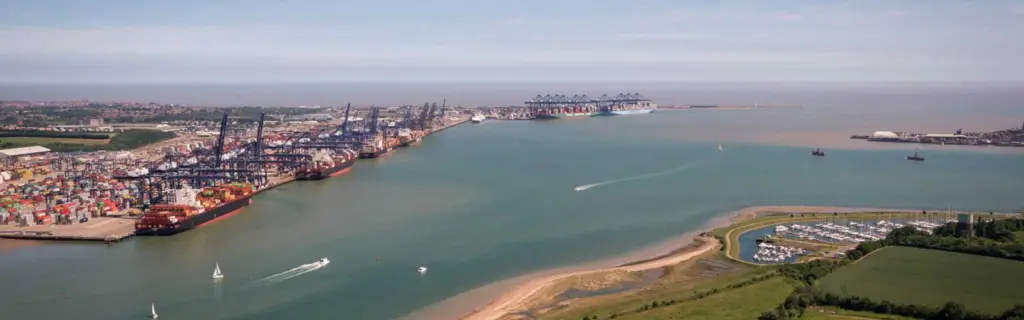
The NCOS ONLINE system, developed by DHI Seaport, is being implemented across three phases. It will initially operate alongside Harwich Haven Authority’s existing 10% UKC rule before dynamic clearance is introduced.
“This marks the first time Harwich Haven Authority has implemented an Under Keel Clearance (UKC) management system, and it is also believed to be the first deployment of its kind in the UK,” Louise Fennessy, deputy harbour master (Pilotage) at HHA told Maritime Journal.
“As vessels continue to grow in both size and draught, the need for more sophisticated and data-driven navigational support has become increasingly important.”
The technology is based on a detailed digital model of the Harwich harbour area and its approaches. DHI Seaport is combining the model with high-resolution forecast information and live observations from HHA’s existing network of wind, tide and swell sensors. The system will also incorporate the latest bathymetric data.
“DHI’s UKC system will draw on a combination of high-resolution forecast data and real-time observations from Harwich Haven Authority’s existing network of wind, tide and swell sensors,” Fennessy said.
“By integrating these data sources, the system can provide accurate, up-to-date assessments of navigational conditions, enabling more informed decision-making and enhancing both the safety and efficiency of vessel movements within the port.”
Integration
NCOS ONLINE will be integrated with HHA’s existing Kongsberg Vessel Traffic Services (VTS) system. Vessel information can then be transferred automatically into the UKC system, reducing the need for manual data entry and linking vessel movements with the clearance assessment.
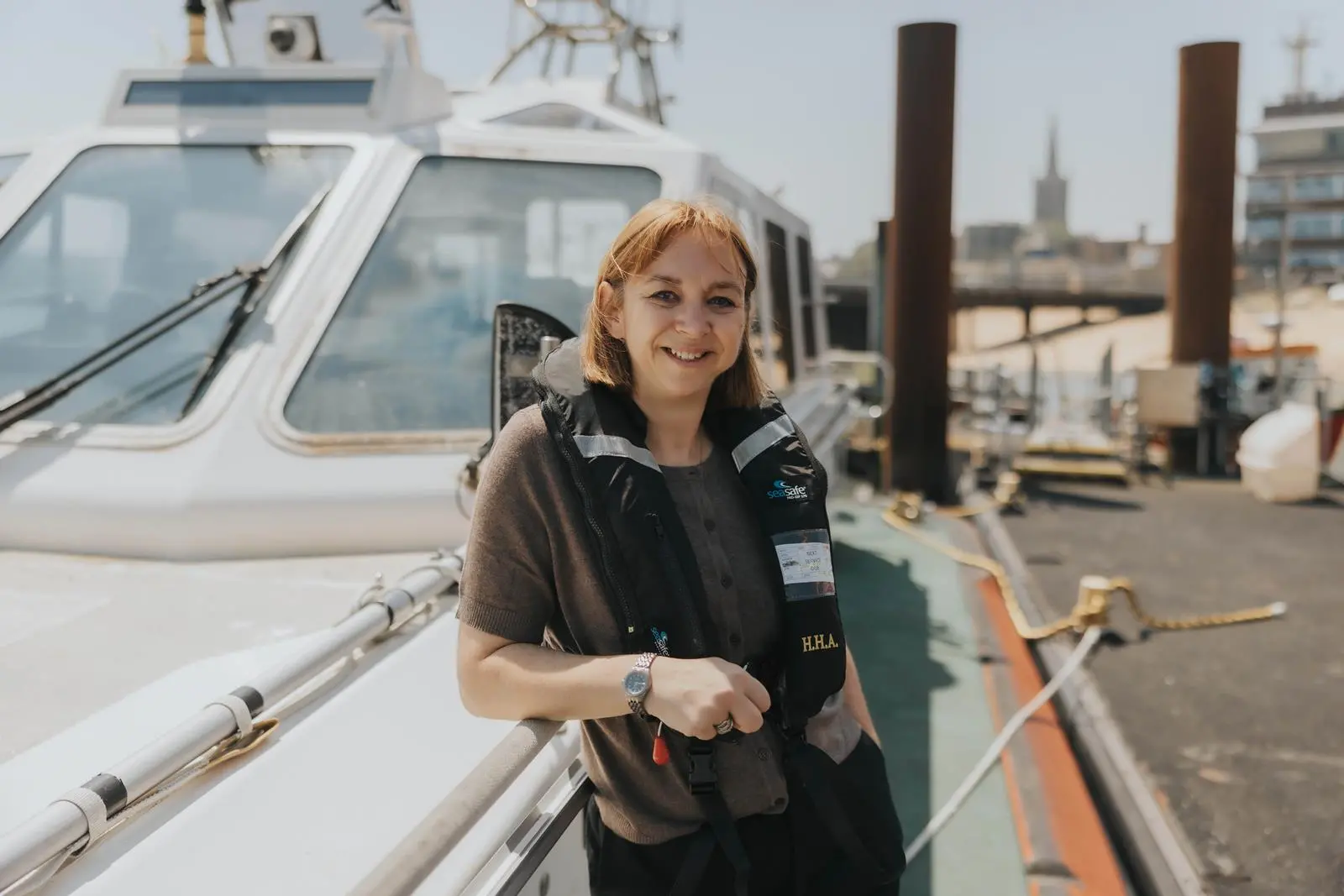
Fennessy said the system was selected because HHA was seeking ‘a modern solution capable of enhancing safety, efficiency, and operational decision-making’.
“DHI’s system stood out for its proven capability, intuitive design, and the extensive expertise of the team behind its development, making it a natural choice for the future needs of the port.”
Phase One will introduce the system while the existing 10% UKC requirement remains in place. This will allow VTS officers and pilots to become familiar with the platform without changing current operating practices.
Phase Two, planned for the first quarter of 2027, will introduce dynamic UKC progressively, initially within the harbour and then across the navigation channel. The move will replace the fixed clearance requirement with assessments that respond to prevailing conditions.
“The NCOS system will enable us to make the most effective use of the available channel while maintaining the highest standards of safety,” Fennessy said. “By providing more accurate, data-driven assessments of under-keel clearance and navigational conditions, it will support better-informed operational decisions, improve the efficiency of vessel movements, and continue to help our stakeholders move vessels safely, reliably and efficiently through the port.”
The final phase will extend the system to vessel movements across the Haven’s ports, including Ipswich, allowing transit planning to consider wider traffic movements, port regulations and available tidal windows.
Training for HHA’s VTS duty officers and pilots will take place during the initial four-month implementation period, with DHI Seaport representatives also providing regular on-site support.