


Don’t underestimate temporary works
Temporary works are a crucial engineering stage for a safe working environment.
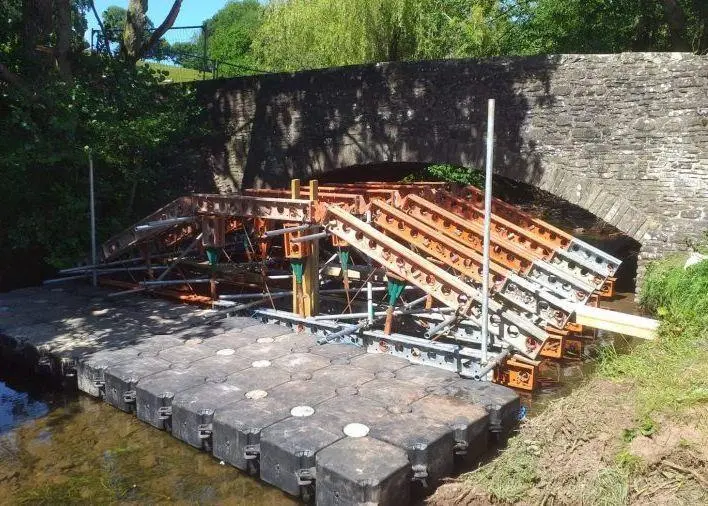
This is the message from Kaymac Marine & Civil Engineering Ltd, who believe permanent structures are not solid unless successful temporary works have been initially installed.
“Without a qualified civil engineer and qualified temporary works coordinators completing accurate, detailed designs and planning for these non-permanent works, the entire permanent project is at risk of failing – mainly when there is tidal or fluvial water involved,” warns the company.
Why are temporary works so important?
Temporary works cannot just be thrown together to get the job done, particularly if tidal or fluvial water flow is involved, said Kaymac. The same care and attention to detail must be applied to the temporary works as they are to the final construction. In addition to having a serious impact on the on the permanent structure, poorly designed and badly planned temporary works can cause injury or harm to the work team, result in project delays, and severely impact the project’s overall budget.
Kaymac said it understands that temporary works in marine projects are vital to the success of contractors’ plans, so it trains and employs CITB qualified in-house temporary works coordinators.
“It’s crucial that the person organising the temporary works is aware of any potential risks and downfalls throughout every project stage,” explained the company. “So, a suitable temporary works design is prepared, checked, and implemented on-site following the relevant drawings and specifications by our in-house specialists.”
Connect with Kaymac Marine & Civil Engineering Ltd at Seawork Connect 5th-7th October.
By Rebecca Jeffrey