


Consortium to develop H2-powered passenger ships
A consortium of 13 partners in six European countries is looking at developing hydrogen fuel cells for passenger ships.
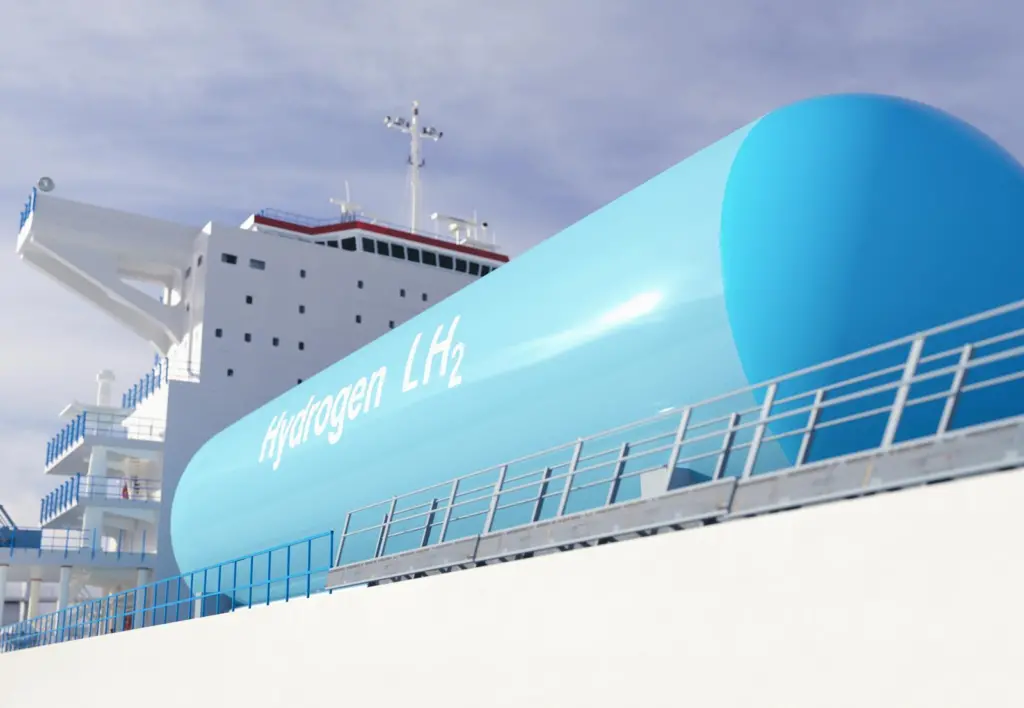
Named SH2YpS, the consortium is being co-funded by the European Union and the UK government and includes members from Italy, France, Germany, the Czech Republic, Norway and the UK.
The solution, a 40ft containerised multi-MW power plant combining the output of several fuel cell modules, would be installed on board passenger ships and in the first instance, a Viking fjord cruise vessel.
The project has also floated the idea of using a ‘swappable storage system’ for the liquid hydrogen based on new c-type ISO containers that it aims to use as fuel tanks.
The idea would be to develop a logistics network based on swapping containers pre-filled with ‘green’ liquid hydrogen, however one obstacle to this being realised, the consortium admits, is the fledgling hydrogen supply chain.
“The supply chain of hydrogen is in its very first stage of development and containers are still the only fast-track feasible logistic solution so far,” it says. “Moreover, only a few companies produce c-type insulated tanks that are used for the transport of hydrogen.”
As has been mooted many times across the industry, a lack of regulations surrounding all new future fuels is one challenge to developing any of them as marine fuels.
The consortium says that although specific prescriptive rules and regulations are not yet in place for the use of hydrogen as marine fuel, according to SOLAS (the IMO’s convention for the safety of life at sea), a design process based on risk assessment in case of unconventional ship can be accepted.
“This project will adopt a risk-based design process and start the certification of the storage components,” it says.
UK-based environmental and engineering consultancy Ricardo is lending its knowledge of hydrogen technology and integration to the consortium.
“The shipping industry is facing considerable challenges to find a solution to achieve zero-emissions navigation in line with future global regulatory targets,” said president of Emerging Mobility Adrian Schaffer. “This project is at the forefront of innovation, with the prospect of using hydrogen fuel cell technology to support the industry meeting its sustainability objectives.”
Related Articles
 ELECTRICAL SYSTEMS
 ENVIRONMENT
 ENVIRONMENT