


Innovative study to test floating offshore wind platform potential
RWE, Wales’ largest renewable energy generator, is funding a study to investigate the quayside offload and launch of two types of floating offshore wind platforms.
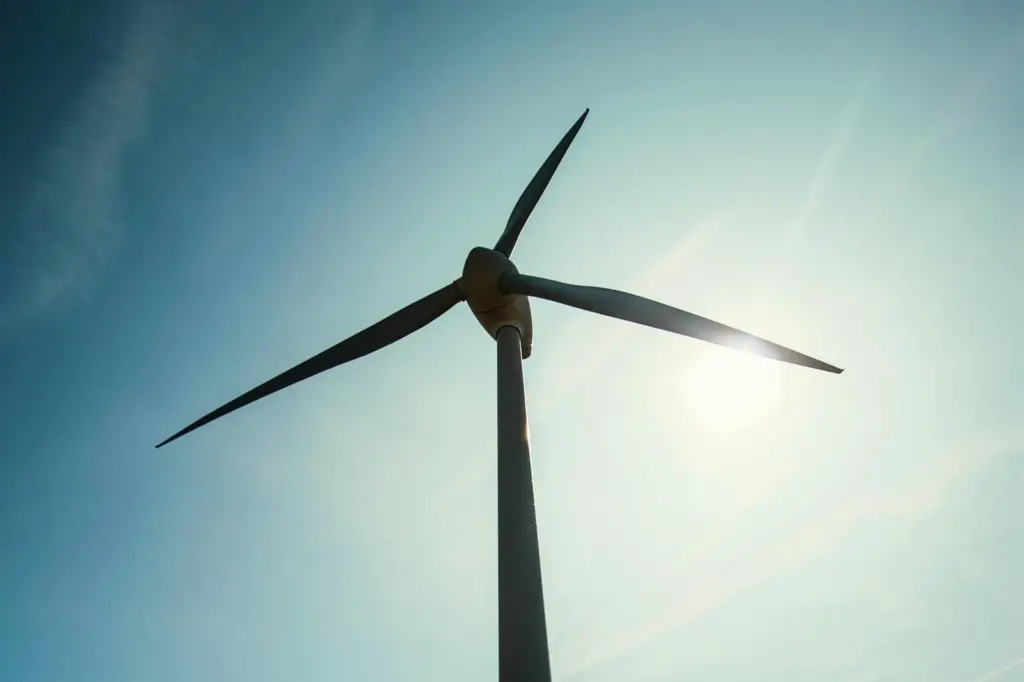
The aim is to test out the two platforms – one steel and one concrete – alongside the integration of next generation wind turbine generators and maximise local supply chain opportunities by utilising local port infrastructure at the Port Talbot and Milford Haven.
“We are set to participate in the upcoming Crown Estate’s UK Round 5 seabed auction,” said Philippa Powell, the Celtic Sea Project Director at RWE.
“Commercial scale floating wind leasing offers the potential for multi-billion pound investment into the region; innovation is one of the key mechanisms that we are pursuing to try to ensure that the potential of this opportunity is realised locally.”
Testing innovation
The study will consider the use of this innovative solution at the Port Talbot facility in South Wales, run by Associated British Ports.This is being upgraded to facilitate manufacturing, assembly and integration of floating offshore wind turbines.
It will use Sarens’ established crane and barge technology alongside Tugdock’s innovative submersible platform utilising a hybrid of both approaches.
These technical solutions will look to address the logistical challenges ports will face in order to accommodate commercial-scale floating offshore wind deployment.
A variety of land and marine equipment will be considered to manoeuvre structures into the water offering novel solutions to the fast-growing floating offshore wind industry.
Tugdock’s innovative technology combines a steel frame and patented air lift bags to act either as additional buoyancy or as a submersible platform for lifting or launching heavy marine structures.
With an effective load capacity of up to 25,000 tonnes and a modular design, the technology can be easily transported by road and is well placed to support the deployment of commercial-scale floating wind.
Sarens and Tugdock announced their new collaboration earlier this year.
“The sheer scale of floating offshore wind turbines and their sub-structures creates a significant logistical challenge for ports around the world, many of which are constrained by size, water depth or tidal range. Our unique technology has been designed to meet this challenge head on,” said Lucas Lowe-Houghton, director of strategy and growth at Tugdock.
The study outcomes will build on previous studies including one undertaken using the Port of Milford Haven Marine Simulator. The resulting information will inform activities at other suitable ports in the region, such as the Port of Pembroke, owned and managed by Port of Milford Haven Authority.
Beyond the Celtic Sea, RWE’s ambition is to safely develop, build and operate cost-competitive commercial-scale floating projects around the world. IT has already participated in two high-profile demonstration projects and has secured a commercial-scale floating offshore wind lease off the California coast. RWE is also exploring floating wind opportunities in Asia-Pacific, Europe and the Americas.
Related Articles
 ELECTRICAL SYSTEMS
 ENVIRONMENT
 ENVIRONMENT