![MaritimeJournal[Seawork]](https://www.maritimejournal.com/wp-content/uploads/2026/09/MaritimeJournalSeawork.svg)




Norway’s offshore wind ambitions struggle to get off the ground
Norway has had to give a one-year extension to its 1.5GW Southern North Sea II wind project in another sign of the country’s slow progress in developing offshore wind.
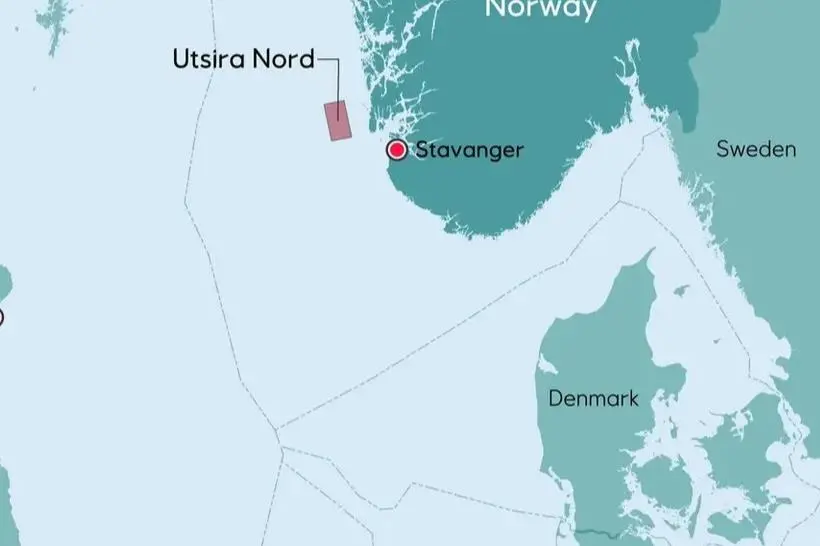
The Energy Ministry has given developer Ventyr until 15 October 2027 to complete its project-specific impact assessment and submit its application after the developer requested the extension to investigate an alternative route for bringing electricity ashore and connecting it to the grid.
The government has ambitious plans: in 2023, prime minister Jonas Gahr Støre said Norway had ‘great opportunities’ in offshore wind, and that the country had ‘skilled professionals and companies that will contribute to develop this technology’ – yet the development timetable has repeatedly slipped.
In August 2023, the government postponed application deadlines for both Southern North Sea II and Utsira Nord, saying it wanted to ensure developers had the information needed to submit their bids.
Southern North Sea II eventually went to auction in March 2024, with Ventyr winning the right to develop the first phase. The project has since been working through environmental studies and grid-connection options, and Ventyr says the latest extension is intended to make its eventual application more complete.
Utsira Nord has moved even more slowly. Opened in 2020 as a site for floating wind, it did not reach the stage of selecting project areas until December 2025.
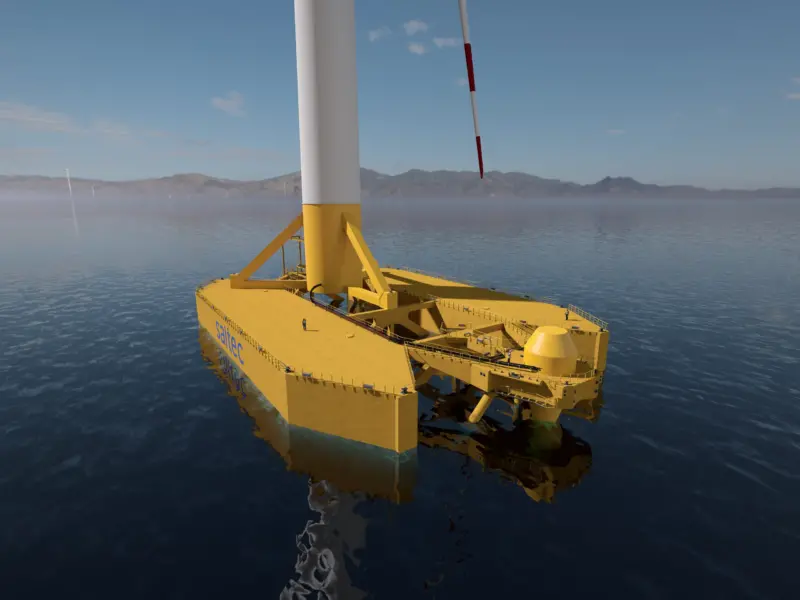
The government describes floating wind as an important technology for Norway, but its own assessment acknowledges that it remains immature and considerably more expensive than fixed-bottom wind, yet it has still allocated 30GW of offshore wind by 2040.
Energy Minister Terje Aasland said in 2025 that offshore wind was ‘one of the government’s key focus areas to ensure sufficient power supply in the years ahead’.
For now, however, Norway’s flagship commercial projects remain stuck in the development and consenting process.

Related Articles
 ENVIRONMENT
 DREDGING & FLOOD DEFENCE
 ENVIRONMENT