




Plastic clean-up under way after WTIV and containership collision
The Port of Tyne has launched a major clean-up operation after thousands of plastic pellets, known as nurdles, were spilled into the River Tyne following Sunday’s collision between a wind turbine installation vessel and a berthed containership.
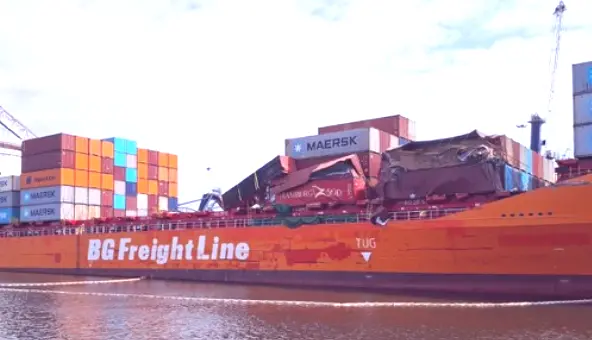
The spill occurred when Cadeler’s wind turbine installation vessel Wind Orca struck the berthed container ship BG Orange, causing a quayside gantry crane to collapse onto the vessel and damage containers. One person was taken to hospital and is not believed to be seriously hurt.
While salvage teams continue working to stabilise the damaged crane and vessel, the port says it activated its pollution response plan immediately after becoming aware of the nurdle spill.
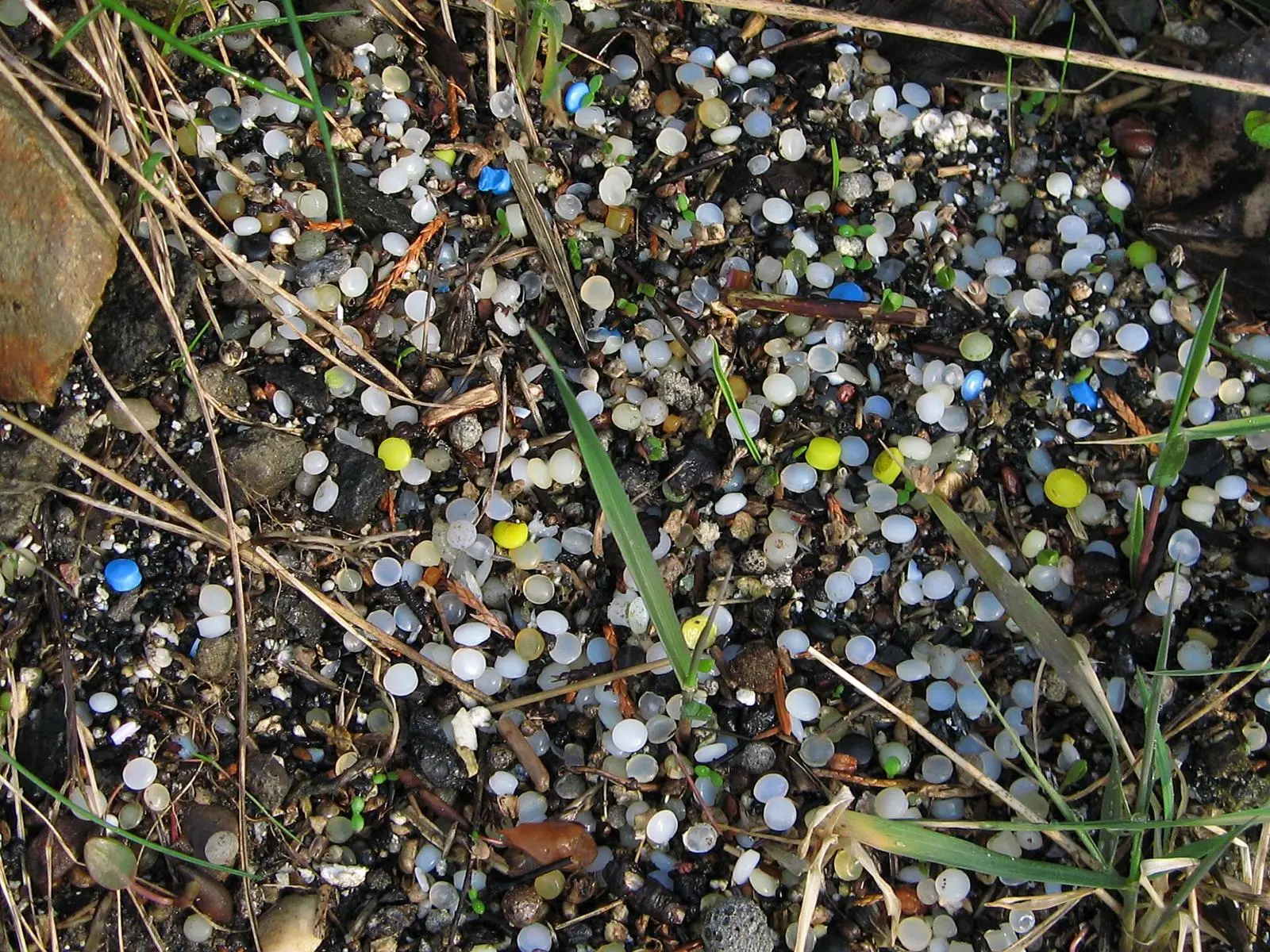
Nurdles are small plastic pellets used as the raw material for manufacturing almost every type of plastic product, from bottles and packaging to pipes, toys and household goods.
They are one of the most common forms of marine plastic pollution because they are easily spilled during transport and can be mistaken for food by seabirds, fish and other wildlife. Once in the marine environment, they can persist for decades and are notoriously difficult to recover.
“Our response plan to the pellet spill was activated immediately we became aware of it,” said a port spokesperson. “It involves a number of actions, including helping contain any further spill of pellets and getting boats out on the river as a matter of urgency to clear pellets from the water.
“We will continue to work with local authorities and other agencies as everyone works hard to minimise the effect of the pellet spill.”
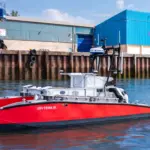
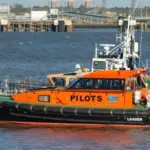
The port has deployed floating booms around BG Orange to contain any further escape of pellets, while several workboats have been sent onto the river to recover as much material as possible. The container ship has also taken measures to secure the damaged containers from which the pellets escaped.
Some pellets have already washed ashore on nearby beaches, although the port says the public health risk from the non-toxic material is considered to be very low. It is continuing to work with local authorities, the Maritime and Coastguard Agency, the Marine Accident Investigation Branch and other agencies as part of the formal multi-agency response.
Salvage operations are ongoing, with specialist teams working to make the area safe before the collapsed crane can be removed from the container ship. The port said the operation ‘cannot be hurried’, with the safety of those involved remaining the priority.
The incident exposes wider questions around ship-to-shore safety, with concerns raised about the risks associated with vessel movements alongside port infrastructure.
Related Articles
 ELECTRICAL SYSTEMS
 ENVIRONMENT
 ENVIRONMENT