![MaritimeJournal[Seawork]](https://www.maritimejournal.com/wp-content/uploads/2026/09/MaritimeJournalSeawork.svg)




Poland opens more waters to offshore wind
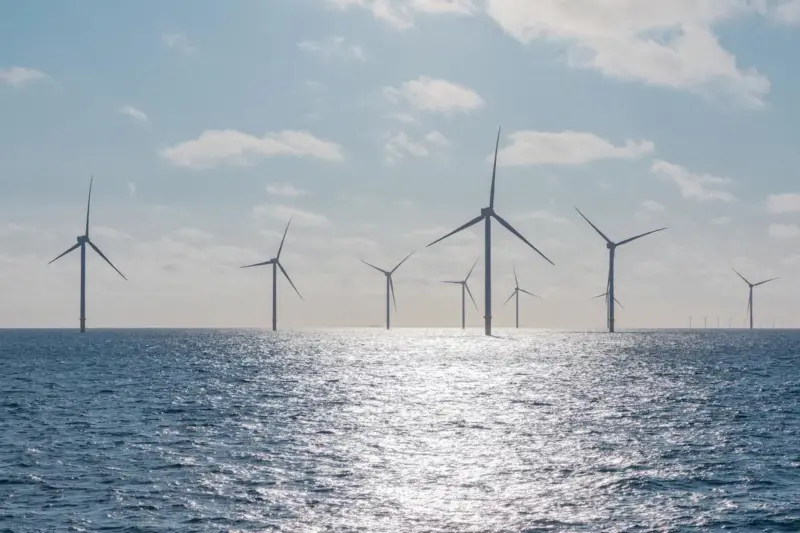
Polish politicians and industry leaders last week announced ambitious plans for the country’s offshore wind sector, including de-restricting more of the Baltic Sea.
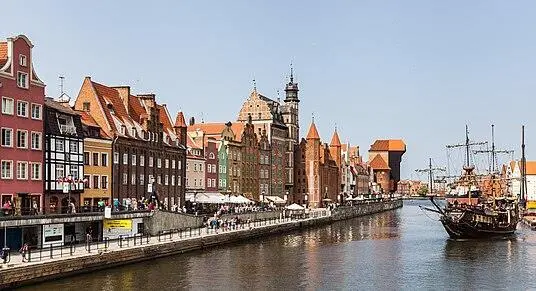
Last week at the Offshore Wind Polish 2024 conference in Warsaw, offshore wind farms were included as part of the national security system and industrial strategy, with the inaugural address on Day 1 titled ‘From actions to words – let’s start building!’
With the first Polish offshore wind farm scheduled to begin operating next year, the country is a fledgling member of the offshore wind flock, but the signs are increasing that it’s growing wings.
Quoted from the conference on the online platform Balticwind.eu, which was set up to share information on projects in the region, deputy minister of Infrastructure Arkadiusz Marchewka said a report was being prepared that would provide the ’basis for a substantive decision to de-limit new areas of the development of offshore wind farms in the Baltic’.
He also talked about the onshore infrastructure that would be required.
“In August, a building permit was issued for a new installation terminal in Gdansk,” he said. “The aid from EU funds is PLN900 million (€209 million). We will also use EU funds to finance the development of service ports like Ustka, Leba and Darlowo.
“Within the framework of the KPO (National Construction Plan), the construction of terminal infrastructure in all these locations is a cost of €370 million. We have also recently launched a tender for the development of breakwaters in these ports.”
Janusz Gajowiecki, president of the board at the Polish Wind Energy Association (PWEA) and organisers of the 2024 conference, said the investment campaign in offshore wind was not comparable to any other development project in Poland.
PWEA calculations reckon the Polish part of the Baltic Sea has an energy generation capacity of a whopping 33GW.
The Baltic Sea is becoming a hub for offshore wind, with all countries sharing its coastline (except Russia) beginning or operating projects in their territorial waters, including Germany, Denmark, Sweden, Estonia, Lithuania, Finland, Latvia and Poland.
Related Articles
 FEATURES & VIDEOS
 ENVIRONMENT
 OTHER NEWS