

Finding space at sea for everyone
A new report addresses the issue of marine spatial planning (MSP) for offshore renewable energies and electricity grid infrastructure as an integrated EU maritime policy.
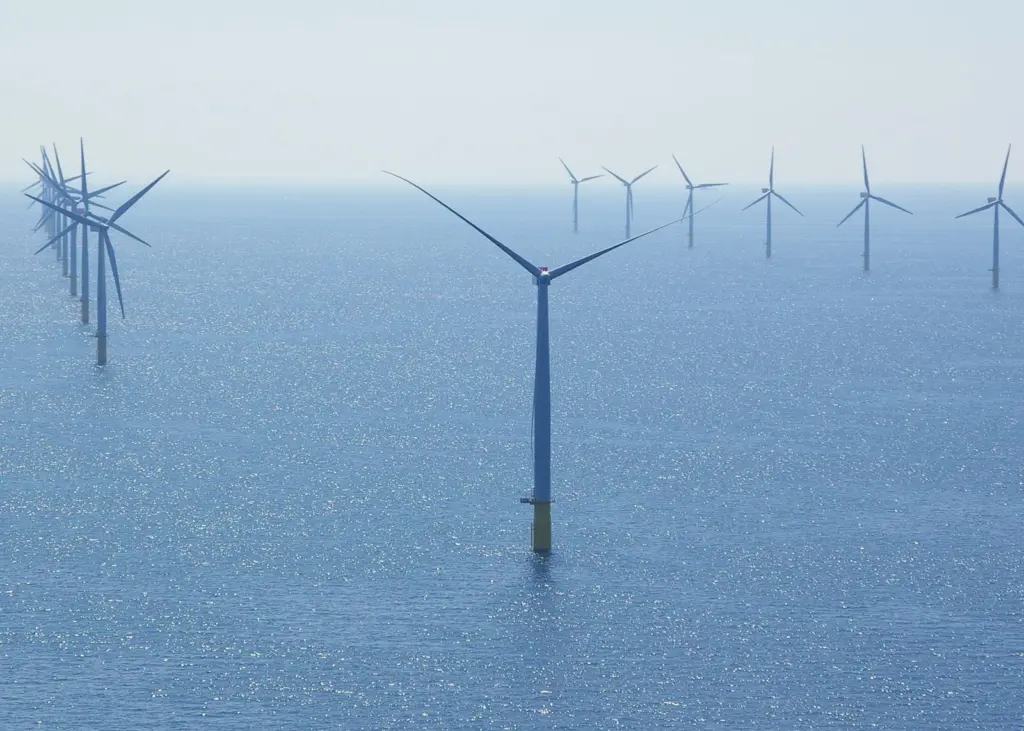
Coordinated by the European Wind Energy Association it reveals the tasks facing planners at the giant London Array windfarm in the Thames Estuary. These have included establishing neighbourly relations in one of the UK’s busiest commercial shipping areas and, at subsea level, negotiating existing nearby windfarm cables and the BritNed electricity interconnector.
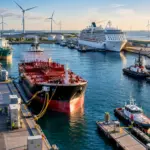
While the London Array is used simply as an example, it is a reminder of how increasingly congested the seas around EU states are becoming, an important consideration for new entrants of the offshore wind and marine energy industries.
The Seanergy 2020 project aims to promote a more integrated and coordinated approach to MSP, including beyond national borders, covering the Atlantic Coast, Irish Sea, Baltic Sea, Mediterranean Sea and North Sea. Phase 1 identified three basic national legislative MSP models: extension of land use regimes, creation of specific legal frameworks, and amendments to related regulations. The addition of sources of ‘soft guidance’ leads to overlap, and the requirement for more detailed and definitive guidance. Identifying and analysing transnational cooperation was the focus of Phase 2, particularly in the areas of a pan-European grid and cable routing.
Phase 3 looked at the challenges and opportunities of a transnational approach to MSP for offshore renewables and identified a lack of integration and guidance, particularly important when use of the sea transcends national borders. Thirteen specific barriers to transnational MSP were identified relating to issues of power, interests, and capacity, requiring longer term planning frameworks, given the expected increase in offshore renewables up to and beyond 2020.
The report states the EU has limited options for intervention as it is largely a Member State issue. Options include voluntary guidelines, support for individual regional projects, using existing regional sea conventions as coordinating platforms, and forming MSP expert working groups. While described as “politically challenging”, an MSP Directive would require open direct communication but with the positive result of establishing a firm legal footing.
The bulk of this extensive and interesting document delves deeply into the subject of MSP, including situations in specific geographical areas. The obvious primary areas affected by growth of marine renewables include shipping and navigation, fisheries, military, and nature protection, all areas are carefully considered. Consideration includes the impacts of legislation for offshore renewable projects themselves.
The question of MSP is clearly complex and challenging given the number of interested parties, the ‘international’ nature of the activities involved, and geographical considerations. However complex these challenges, the subject is clearly one needing particular attention given the substantial planned growth of marine renewables, wherever the boundaries are drawn.
By Peter Barker
Related Articles
 OTHER NEWS
 MARINE CIVILS NEWS
 OTHER NEWS