




Five projects make Severn tidal power shortlist
A proposed shortlist of schemes to generate clean, green electricity from the power of the tides in the Severn Estuary has been unveiled by the British Governments Department of Energy and Climate Change. The shortlist includes a mixture of barrages and innovative lagoon schemes.
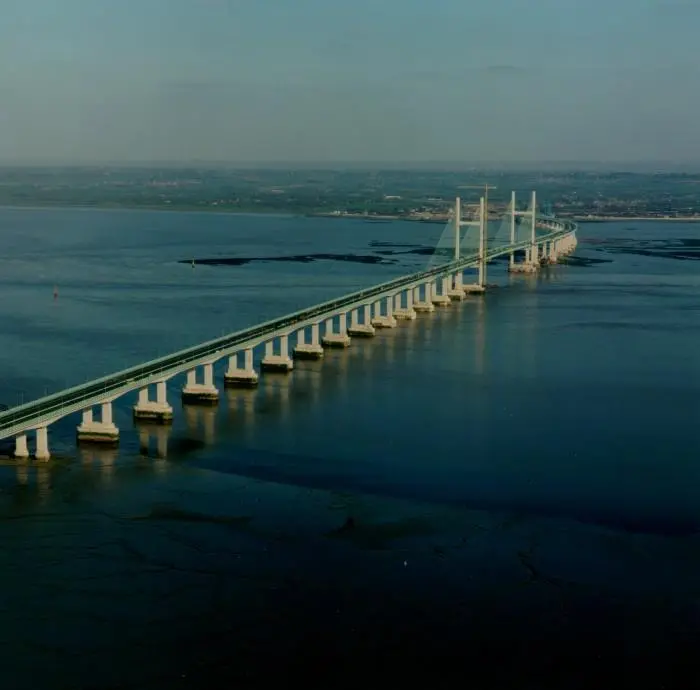
The Energy and Climate Change Secretary Ed Miliband has also announced £500,000 of new funding to further develop embryonic technologies like tidal reefs and fences. The progress of these technologies will be considered before decisions are taken whether to go ahead with a Severn tidal power scheme.
The tides in the Severn estuary are the second highest in the world. The largest proposal being taken forward has the potential to generate nearly 5% of the UK’s electricity from a domestic, low carbon and sustainable source.
Over the past year, the Government led feasibility study has been investigating a list of ten options, gathering information on the costs, benefits and environmental challenges of using the estuary to generate power.
The proposed shortlist is as follows:
- Cardiff Weston Barrage: A barrage crossing the Severn estuary from Brean Down, near Weston super Mare to Lavernock Point, near Cardiff. Its estimated capacity is over 8.6 Gigawatts (GW), twice that of the UK’s largest fossil fuel power plant, and generating nearly 5% of UK electricity.
- Shoots Barrage: Further upstream of the Cardiff Weston scheme. Capacity of 1.05GW, similar to a large fossil fuel plant.
- Beachley Barrage: The smallest barrage on the proposed shortlist, just above the Wye River. It could generate 625MW.
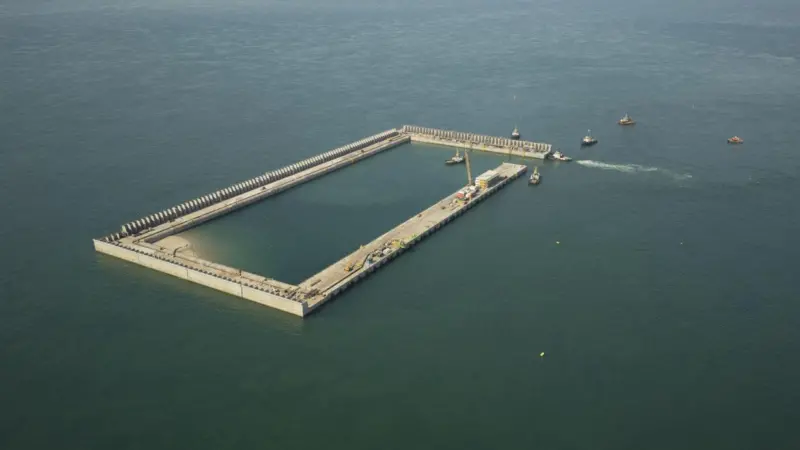
- Bridgwater Bay Lagoon: Lagoons are radical new proposals which impound a section of the estuary without damming it. This scheme is sited on the English shore between east of Hinkley Point and Weston super Mare. It could generate 1.36GW.
- Fleming Lagoon: An impoundment on the Welsh shore of the estuary between Newport and the Severn road crossings. It too could generate 1.36GW.
All ten projects and the proposed shortlist will now be subject to a three month public consultation.
Terms of reference for the feasibility study were announced in January 2008. It is being carried out by a cross-Government team led by the Department of Energy and Climate Change and including representatives of the Welsh Assembly Government and the South West RDA.
The consultation period will last until 23 April, after which, the Government will publish the responses and, after consideration, announce its final shortlist. Shortlisted schemes will be taken forward for further analysis. A final decision on whether the Government could support Severn tidal power generation, and if so on what terms, will be taken at the end of the feasibility study in 2010, following a second public consultation.
The £500,000 new funding will come from DEFRA, Welsh Assembly Government and the South West RDA. It is in addition to substantial funding already available through DECC and others to develop wave and tidal power technology.
Related Articles
 OTHER NEWS
 MARINE CIVILS NEWS
 OTHER NEWS