

Fossil fuel free ferries
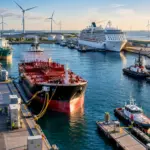
The ferry operator Stena Line, Frederikshavn Municipality, and the Port of Frederikshavn have signed a historic agreement in which the parties commit to take their share of the responsibility for making Gothenburg-Frederikshavn the worlds first fossil fuel free ferry line of its kind.
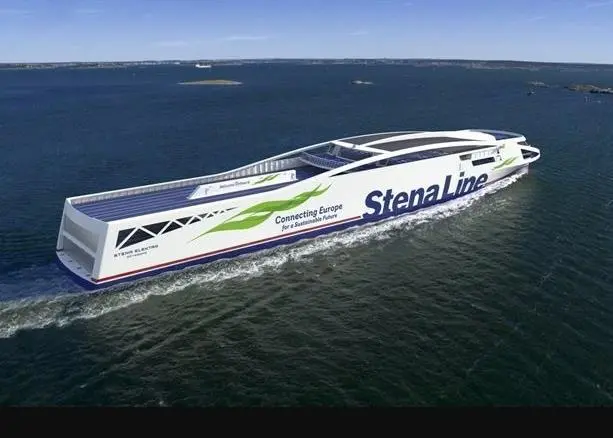
To complete this incredible task, two battery-powered Stena Elektra vessels will be launched by 2030.
Stena Line has earlier launched the Tranzero Initiative together with the Volvo Group, Scania and the Port of Gothenburg. The aim is to reduce carbon dioxide emissions linked to the Port of Gothenburg – the largest port in the Nordic region – by 70% by 2030. Today’s agreement with the municipality and port of Frederikshavn completes the chain.
“Our ambition is to lead the development towards fossil fuel free shipping and sustainable transport at sea. That is why we are investing in new technologies and various alternative fuels. We are already ten years ahead of the international shipping industry’s target for reducing carbon dioxide emissions, but with Stena Elektra we are taking another big step on Stena Line’s sustainable journey, on the road to a completely fossil fuel free operation,” says Stena Line’s CEO Niclas Mårtensson, who is also a member of the Swedish Government’s Commission for Electrification.
Stena Line aims to reduce its total carbon emissions with 30 percent by 2030 and the new Stena Elektra ferries play an important role in getting there. However, it will take more than just battery powered vessels. Onshore infrastructure, such as sustainable charging facilities, must be developed in parallel. In the agreement signed today, the Port of Frederikshavn commits to securing the necessary infrastructure in the port and its surroundings on the Danish side.
The ferries will be the world’s first fossil fuel free RoPax vessels their size, measuring approximately 200 metres, with a capacity of 3,000 lane meters and 1,000 passengers.
By Jake Frith
Related Articles
 OTHER NEWS
 OTHER NEWS
 SPONSOREDSTORY