



ISU publishes 2021 pollution prevention survey
The International Salvage Union’s Annual Pollution Prevention Survey indicates varying results for 2021 with an “eye-catching” rise in services to vessels carrying containers.
ISU members provided 226 services to vessels carrying 2.6 million tonnes of potentially polluting cargo and fuel in 2021, reinforcing once again the value from commerce to the public in general of the professional salvage industry in mitigating financial losses and protecting property, not to mention and arguably more importantly protecting the environment.
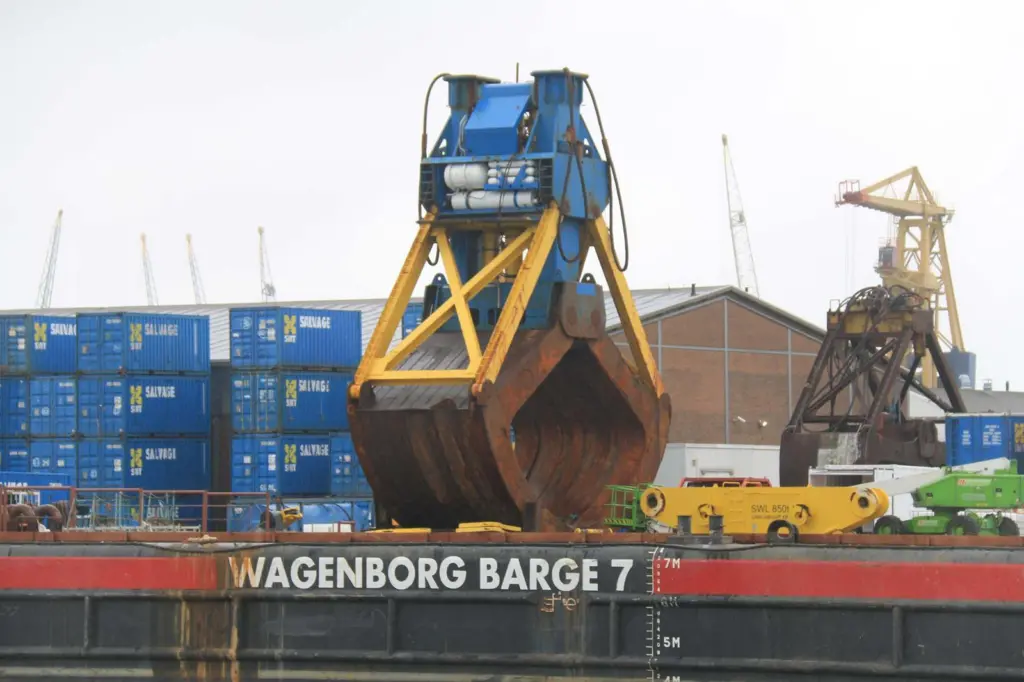
It is figures relating to salvage services involving containers that stand out among various categories of cargoes. Twenty foot equivalent units (TEU) are the industry standard for measuring containers that actually come in a variety of lengths. The weight of each container can vary depending on the contents and for the survey a figure of 15 tonnes per TEU is used. The year in question saw a more than three-fold increase in both tonnes equivalent and actual number of containers involving 1,559,025 tonnes in total in 2021 compared to 502,845 in 2020 and 103,935 TEU compared to 33,523 in 2020.
Looking at other potential pollutants, crude oil cargo was “relatively low” in 2021 at 103,408 tonnes compared to 360,733 tonnes in 2020, while cargoes of refined products rose from 112,096 tonnes in 2020 to 182,232 tonnes in 2021. Chemical cargoes fell significantly to 24,126 tonnes in 2021 from 133,150 tonnes in 2020.
Another decrease was recorded with bulk cargoes, down to 424,719 tonnes in 2021 from a figure of 744,246 tonnes in 2020. The bulk cargo category includes products such as coal, scrap steel, grains, soya and cement, but some bulk cargoes are not included as potential pollutants and ISU members also provided services to bulkers carrying 209,475 tonnes of non-hazardous dry bulk – mainly metal ores.
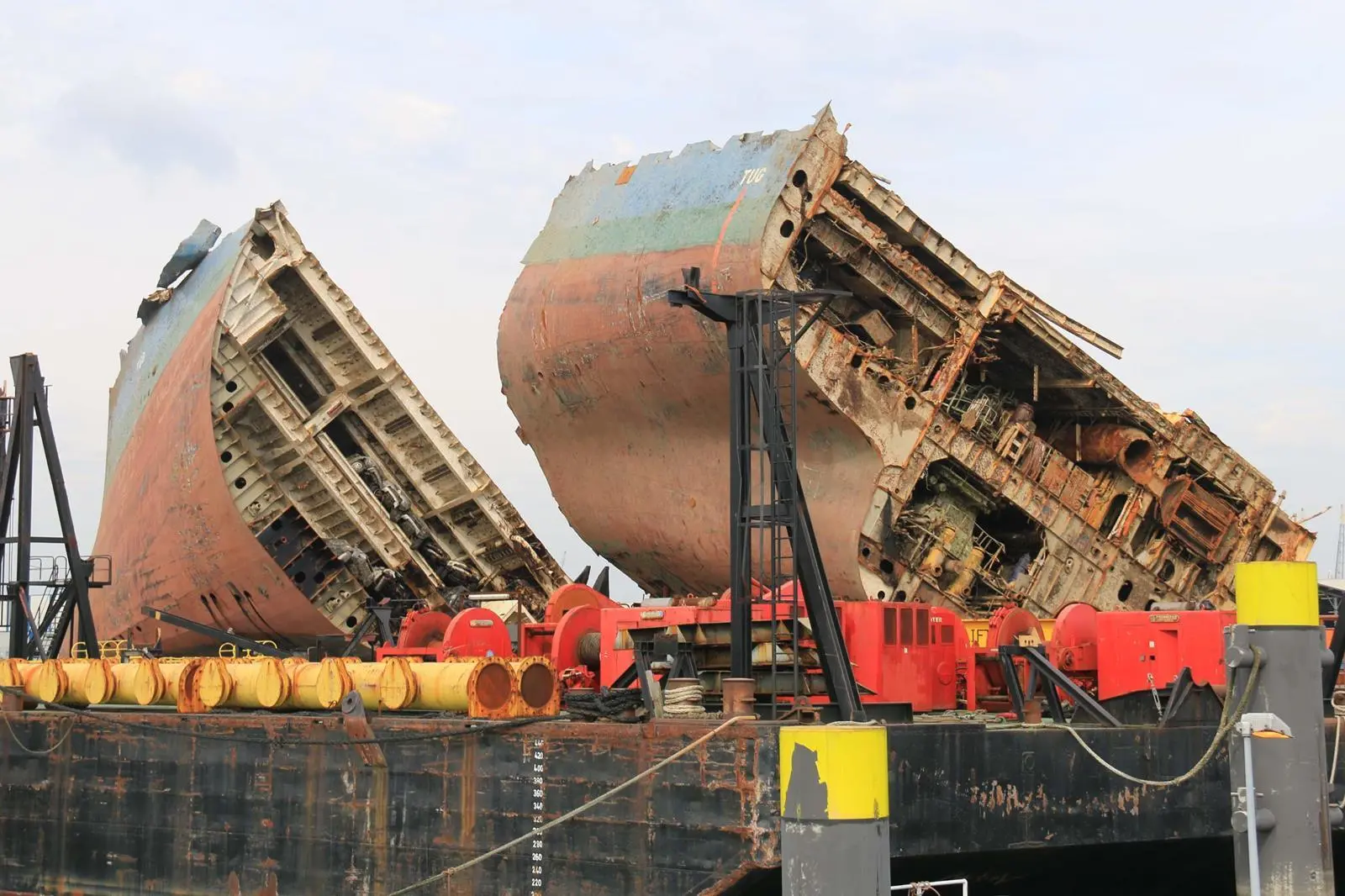
Removing potential pollutants from ships is often a priority as well as attending to the physical needs of the vessel itself, and while on occasion ships may not be carrying any cargo at all, they will be carrying bunker fuels, in themselves potential pollutants.
Indeed, the largest container ships carry quantities of bunkers that would be considered a significant risk as a cargo within smaller tankers: the recovery of bunker fuels must therefore be considered an important part of the salvor’s role in pollution prevention.
Bunker fuel total for 2021 was 89,456 tonnes, down slightly from 111,886 tonnes in 2020. ISU notes that 11 cases had more than 2,000 tonnes of bunkers on board and that an increased number of the services noted in the survey did not record the quantity of bunkers or the cargo type. Bulk non-polluting cargoes recovered in 2021 was 209,457 tonnes compared to 521,326 tonnes in 2020.
The 226 services in 2021 included 30 wreck removal/marine services contracts; 26 Lloyd’s Open Forms; 52 towage contracts; 15 Japanese Forms; 24 Turkish Forms, eight fixed price and lump sum contracts; 27 day rate contracts and 44 other contracts.
Returning to the subject of container ship cargoes, the subsequent unloading and processing of containers involved in casualties often reveals mis-declared or undeclared dangerous goods within boxes otherwise thought to contain benign goods.
During 2021 the grounding of the container ship Ever Given in the Suez Canal was without doubt the highest profile such incident for many years, affecting trade and commerce on an unprecedented global scale and attracting worldwide attention.
While not included in 2021 statistics, at the time of writing ISU member salvors freed another container ship, the Ever Forward, which had grounded in Chesapeake Bay in the US. Commenting on the container element of the annual survey, ISU president Captain Nicholas Sloane said: “The most eye-catching number in these results is for containers. ISU members provided services to vessels carrying more than 100,000 TEU amounting to more than 1.5 million tonnes of cargo. The mixed nature of such cargoes – including dangerous goods, harmful chemicals, plastic pellets – means that they are potentially highly polluting and difficult and dangerous to deal with.”
The final part of the survey report reinforces the industry’s importance, saying that in the period 1994 to end-2021 ISU members have provided services to casualty vessels carrying 38,872,986 tonnes of potential pollutants, an average of 1.4 million tonnes per year.
Related Articles
 OTHER NEWS
 OTHER NEWS
 SPONSOREDSTORY