


North Sea crash salvors confirm plastics leak
Chief coastguard Paddy O’Callaghan says there have been confirmed sightings of plastic pollution following the collision between cargo ship Solong and tanker Stena Immaculate a week ago.
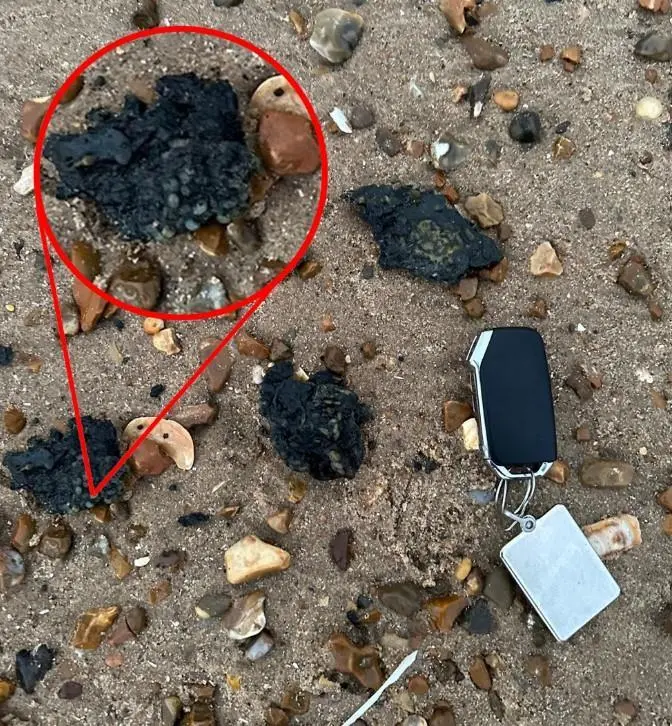
He said that at the weekend, a ‘sheen’ had been spotted just off the coast, which was later identified as being made up of plastic ‘nurdles’, some of which have washed up on shore (pictured).
The sighting in water was also confirmed by aerial surveillance, he said.
Nurdles are small pellets of plastic resin used in plastics production. They are tiny, between 1-5 millimetres in size and weighing less than one gram.
“It is likely that the nurdles entered the water at the point of collision,” said O’Callaghan. “Salvage operations at the Solong and the Stena Immaculate have been continuing. Nurdles are not toxic but they can present a risk to wildlife if ingested.”
Windcat to the rescue
It also emerged over the weekend that Dutch CTV operator Windcat Workboats, which had two vessels operating at the Humber Gateway Offshore Windfarm at the time of the collision, helped to assist in the rescue operation.
“Windcat 31 and 33 were called in to assist in the rescue operation,” said Windcat managing director Willem van der Wel.
“They immediately responded and they brought around 17 people involved to safety ashore. Windcat is not further involved in the incident.”
SMIT Salvage continues
Stena Bulk, the owner of the tanker Stena Immaculate that Solong crashed into, said that salvors were continuing their assessments of the vessel.
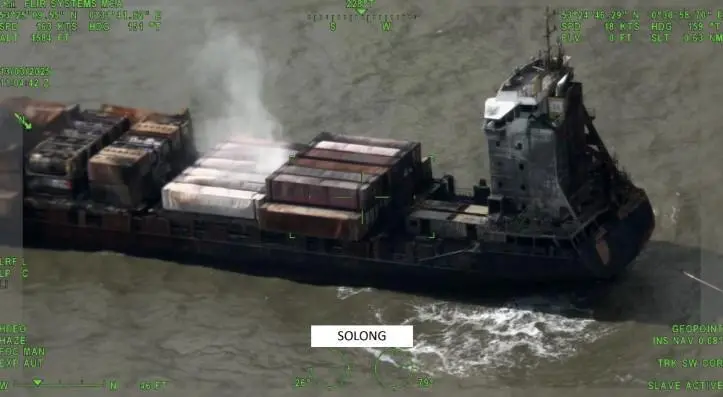
“As of yesterday, Sunday, 16 March, the third-party salvage team has confirmed that damage resulting from the container ship Solong striking the Stena Immaculate was limited to one cargo tank containing Jet A-1 fuel and one ballast tank containing sea water.
“At the time of the allision, the Stena Immaculate was carrying 220,000 barrels of Jet A-1 fuel. Based on the assessment by the salvage team, it has been confirmed that 17,515 barrels of Jet A-1 fuel have been lost due to the impact and fire. The remaining cargo and bunkers are secure.
“We are immensely proud of our crew members who, before being forced to abandon ship, demonstrated exceptional professionalism by ensuring fire monitors were active to provide boundary cooling water to the adjacent cargo tanks. This decisive action significantly limited the damage to only the cargo tanks directly impacted by the allision.”
The UK’s Maritime and Coastguard Agency says there was no pollution from the tanker, Stena Bulk said, and that it would support the salvage process until it was completed.
Related Articles
 OTHER NEWS
 OTHER NEWS
 SPONSOREDSTORY