

RNLI celebrates 200 years of life saving
2024 is the 200th anniversary of the Royal National Lifeboat Institution, and the occasion will be marked with a service of thanksgiving at London’s Westminster Abbey in March.
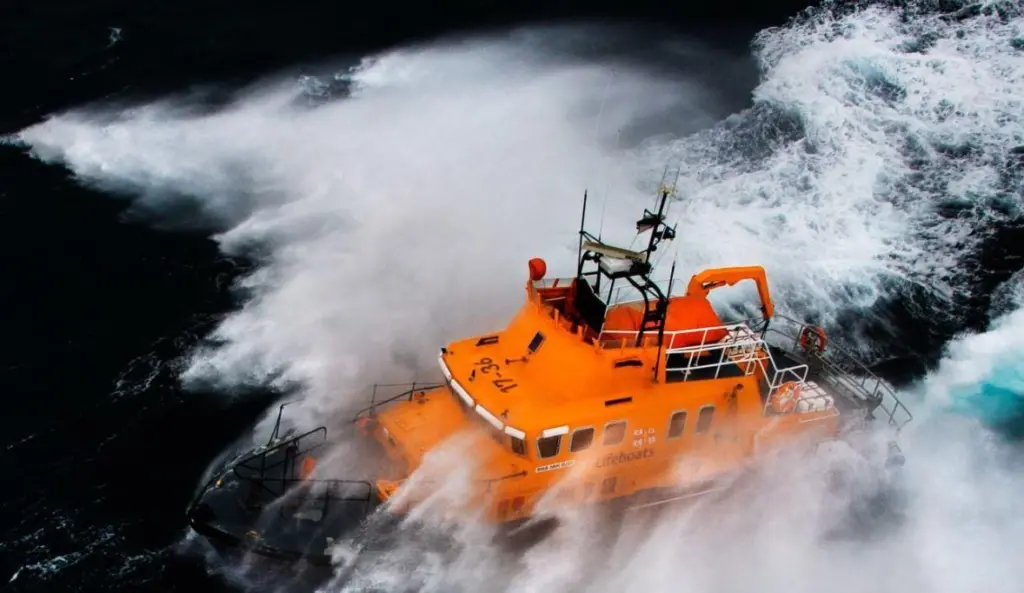
Since its founding in 1824, the RNLI has saved at least 144,000 lives – whether in the wooden, oar-propelled boats of two centuries ago, or in today’s motor-powered all-weather vessels of today.
The first purpose-built lifeboat was built in 1790 by Henry Greathead from South Shields. The oldest surviving vessel of this original type, the Zetland, is still in a museum and is reckoned to have saved about 500 lives.
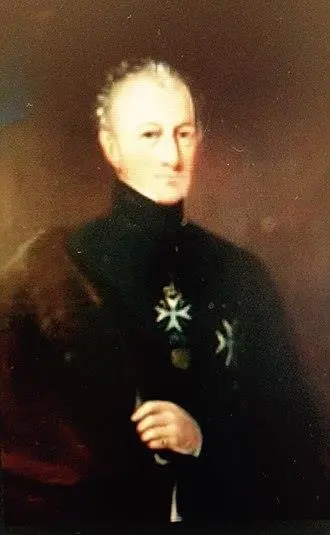
But it was Sir William Hillary, a British militia officer and author, who founded the RNLI on the Isle of Man in 1824 after witnessing many shipwrecks, including the wreck of HMS Racehorse two years earlier.
He eventually won enough support to found the institution, backed by King George IV and then prime minister Robert Jenkinson.
The RNLI awarded its first gold medal in 1824 to Charles Fremantle, who swam to reach crew on a stranded ship off the coast of Dorset.
Gold, silver and bronze medals are still awarded for particular acts of bravery.
In 1838, a silver one was awarded to the famous Grace Darling and her father, who used their fishing boat to save nine survivors of the shipwrecked steamship Forfarshire on the rocks that grounded their vessel.
It wasn’t for another 30 years that life jackets appeared and were handed to RNLI volunteers. The first ones were cork, invented by RNLI inspector Captain Ward.
The first motorised lifeboat, the McConnell Hussey, was launched at Tynemouth Lifeboat Station in 1905, opening the service to many more volunteers. The first fast motor lifeboat was launched in 1930 at Dover. Sir William Hillary was powered by two 375hp petrol engines. It had a top speed of 18 knots, twice as fast as the other motor lifeboats.
In 2013 there was another first with propulsion for the RNLI with the Shannon class all-weather lifeboat, powered by water jets rather than propellers. Designed entirely by RNLI engineers, the self-righting vessel was built on systems developed for the earlier Tamar class.
The charity has expanded its reach across the globe and continues its life-saving operations from 238 lifeboat stations around the coasts of the UK and Ireland.