





Shipwreck! The hidden costs of salvage
Failing to plan properly in wreckage removal and disposal can have dire consequences – as international law firm Vinson & Elkins (V&E) explains.
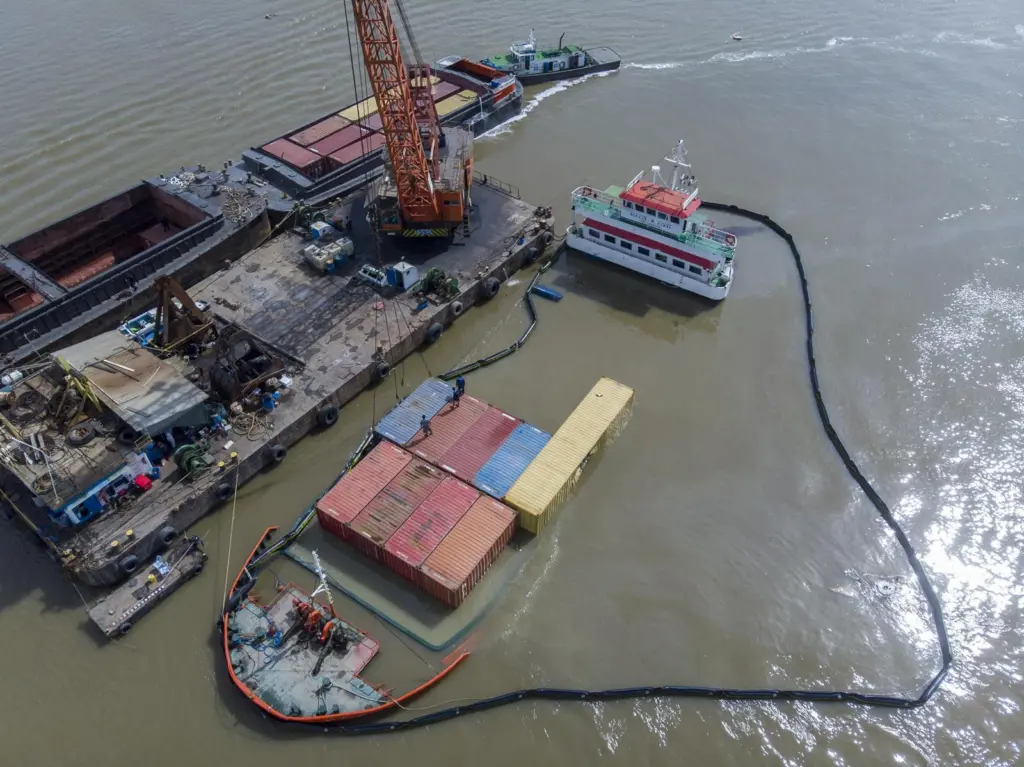
With today’s increased scrutiny of the environment, wreck salvage and removal firms have to really focus on every aspect of their work, especially with contaminated wreckage.
There’s an increased appetite for regulation to protect our oceans, and they are beginning to bite contractors who fail to consider the risks when bidding for or negotiating such projects. Failure to plan proper disposal can lead to significant delays, resulting in huge increases in costs that may not be recovered.
Fail to Plan, Plan to Fail… Case Study
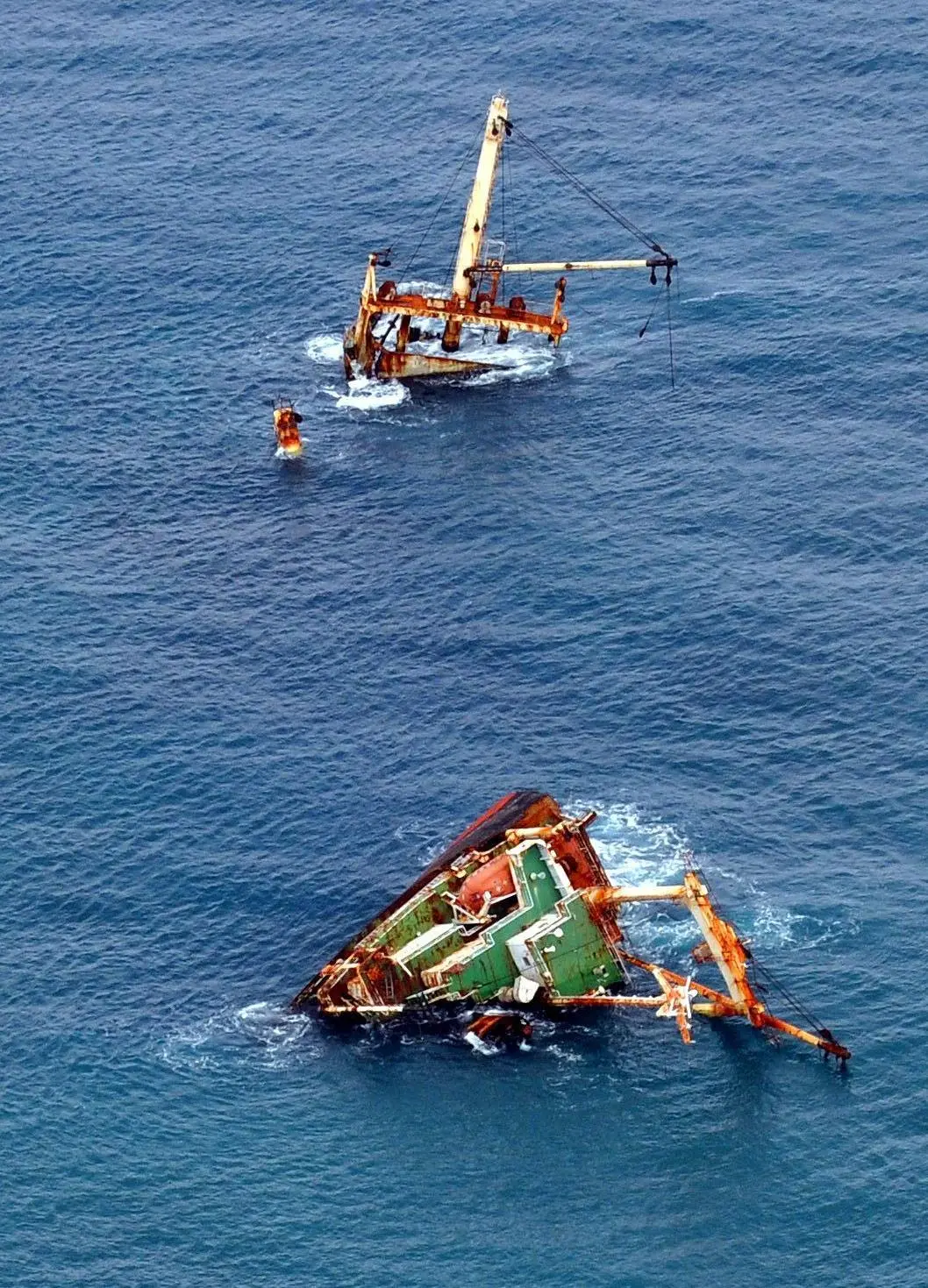
V&E recently represented Party A in relation to claims arising out of a contract for the removal of a large vessel from the seabed.
The vessel was carrying a large cargo of hydrocarbons and hazardous substances and Party B was appointed to carry out the removal and disposal in a complicated operation that Party B changed throughout the project, resulting in delays.
In view of the substantial volume of hydrocarbons, environmental risks were paramount to both parties even before entering into the contract.
Party B agreed to take on the risk of the removal and disposal of any and all hazardous materials, including hydrocarbons, and took on the risk of all disposal costs.
Party B was provided with enough information to understand the risk of the significant volume of hydrocarbons but failed to properly plan for this risk. In particular, it failed to plan for the removal of large volumes of hydrocarbon sludge and contaminated soil.
As a result, Party B not only faced significant hurdles on-site (in respect of contamination of the surrounding water and clean-up costs) but also when it came to scrap disposal.
Two months into the project, by not seeking or receiving the proper clearances, Party B was forced to use a scrap yard in a different country – Malaysia – than the original one planned – India. The barge with the scrap had to travel a long, unplanned distance and was required to clean scrap on its barges before landing.
When it attempted to dispose of the wreck in Malaysia, it faced clean-up costs for leakage in the port and was finally only able to dispose of the final piece eight months after removal.
The cost of failing to plan was more than US$20 million.
Key lessons
The risk of failing to plan for environmental issues can be costly, depending on the allocation of risk in the contract.
One of the key issues to consider in a tender is how much detail is provided regarding the volume and type of hazardous substances.
If an employer is providing any rely-upon information as part of a tender package, they should carefully consider any information as to the level and type of hazardous substances on board. The contract will need to allocate the risk of removal and disposal, and the provision of rely-upon information could impact who takes responsibility for any hazardous substances over and above the information provided.
If an employer cannot give accurate information about the hazardous substances, it should be careful in providing assumptions in relation to removal and disposal. The salvor should carefully review all information, and take care to raise any issues prior to agreeing with the risk allocation. For example, the salvor may wish to put a volume limit on the amount, or type of hazardous materials to be disposed of.
If the wreck is carrying significant volumes of hydrocarbons or hazardous substances, both parties should consider the provision of information regarding the environmental plan for the safe removal of such substances but also the safe, lawful disposal of any substances and contaminated wreckage.
The parties should consider the allocation of risk if the original scrap yard becomes unavailable (increased costs and delays).
Specifically, the parties may wish to consider the risk allocation for any change in regulations/law resulting in a change of scrap yard. This may be particularly relevant for state parties, where disposal is planned at a scrap yard within that state.
Related Articles
 OTHER NEWS
 OTHER NEWS
 SPONSOREDSTORY