


Jose Gonzales: from screwdriver to laptop
“In all sectors, those who had vision, those who saw that the environmental issues being brought to the table wouldn’t just fade away, these manufacturers now have a clear lead,” says Jose Gonzalis of Lloyd’s Register.
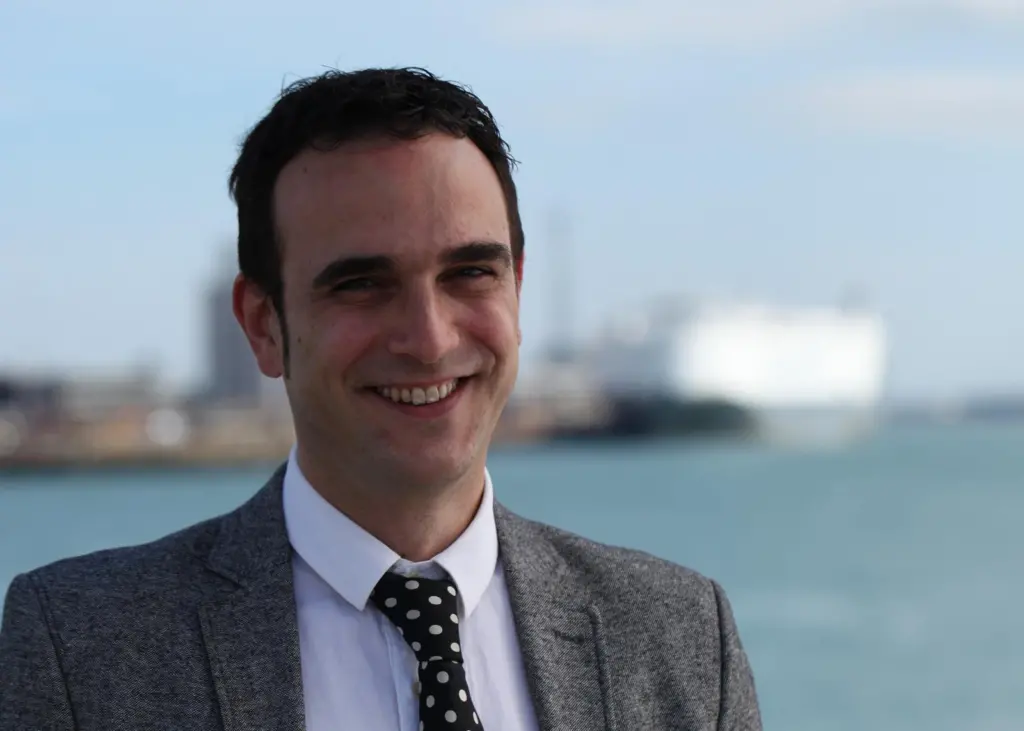
He is blunt: “Many of those without that foresight missed their chance, and have lost the market entirely or had to develop joint ventures with those who decided to act early. You could see it start with the automotive market, and I think the same pattern is repeating itself in the marine sector.”
He has been in a good position to see a lot of change; after serving on gas ships, bulk carriers, ro-ros as well as military service in the Spanish Navy, Mr Gonzalez was involved in power plant engineering before getting back to the marine industry – being employed by Cummins Engine Co, DNV KEMA and then, more recently, Lloyd’s Register.
Interestingly, he says it was his time on European shore-based generation that taught him a lot. “The landside power plant engineering in Europe is very demanding, because much of the power is a big salad with very diverse input.”
“This means the owners and operators need to schedule the working regime of the facility according to energy demands of the moment, influenced by both regulation and what energy source is cheaper. And you have to find a way to make it technically feasible to respond to these demands.” At the same time, he saw how much energy, literally and figuratively, was being put into bringing in ‘green’ power sources.
Now, he says, the same kinds of issues are turning up in the marine sector: “The energy requirements for bulk carriers and deep sea tankers are very different to more specialised vessels such as workboats, windfarm construction ships. You have very low loads and occasional high loads – so the potential for diverse power input is growing.” Especially, he adds, with the interest in dual fuel engines, hybrid and battery configurations and other ‘novel’ kinds of generation such as fuel cells.
It means there’s a growing arena for electronic control systems: “These electronic systems are very reliable, but they are more complex: every manufacturer is asking for people to be properly trained, the days of going out with a hammer and screwdriver are long gone.”
Mr Gonzales points out: “It’s now necessary to download calibrations for the engines’ correct functioning, to know how to properly adjust features and parameters.”
“Some may think it’s a little sad that troubleshooting now needs a laptop, but this is the only way we can keep on top of the emissions challenge.”
By Stevie Knight