


EU plans major subsea grid network to connect wind
Plans to build out extensive subsea grids to connect the growing number of offshore wind farms have been set out in the first comprehensive cross-border review of existing offshore grid capacity in the EU.
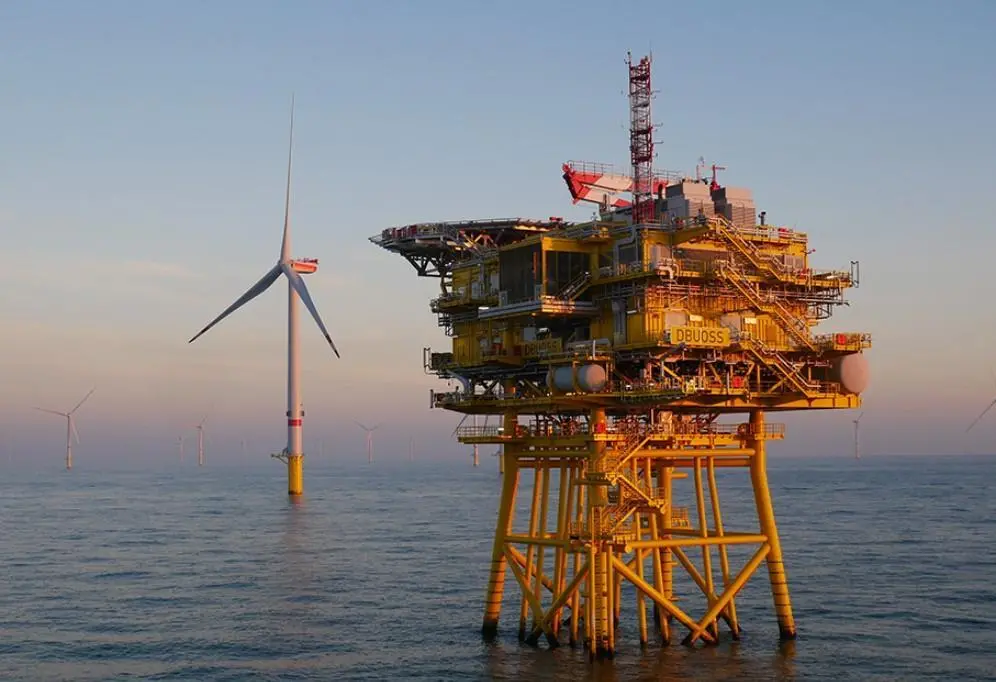
The European Network of Transmission System Operators for Electricity (ENTSO-E) has published EU Offshore Network Development Plans (ONDPs) in a bid to speed up the expansion of offshore wind and facilitate innovative methods of integrating the continent’s energy system.
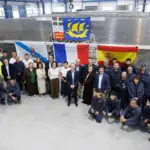
WindEurope CEO Giles Dickson and vice chair Alfredo Paris helped launch the plans by the EU Commission, which come under its EU Grid Action Plan.
“The plans give visibility to offshore wind developers, investors and the grid equipment supply chain on what offshore grids to expect for each European sea basin by 2030, 2040 and 2050,” a statement said. “They’re key to better coordinating the expansion of offshore wind between countries and accelerating its deployment.”
WindEurope says offshore renewables could eventually be the third most important energy source in the European power system, and while there are just under 20GW of offshore wind in operation today, the EU has a target to achieve 300GW by 2050. The ONDPs even show a potential figure of 384GW of offshore renewables in the EU by then, and 496GW in Europe as a whole.
“Building all these wind farms will require a substantial expansion of offshore grid capacity,” says the statement. “To ensure the most efficient grid build-out possible, future grid connections should be designed at sea basin level rather than at national level. ENTSO-E presents five different plans – one each for the North Sea, the Baltic, the Atlantic basin, the West Mediterranean, and the east Mediterranean and Black Sea.
“There’s a new urgency around grids in Europe and the plans are a significant step forward,” said Giles Dixon. “They identify existing grid bottlenecks and how to tackle them. They also inform the evolution of hybrid offshore wind farms, energy islands and other innovative ways of integrating offshore wind power into Europe’s energy system.”
Hybrid wind farms and next steps
The plans are optimistic for hybrid offshore wind farms – farms that are connected to more than two countries. The plans say that 14% of all offshore renewables could be connected as hybrids.
“Hybrids allow for more efficient energy flows and more coordinated approaches to grid planning,” the plans say. “They will strengthen Europe’s energy security, and will help bring electricity costs down for European households and businesses.

“The European wind industry is willing to invest in hybrid offshore wind farms if the business model is right. Exactly where and when those hybrids get built will depend on project-by-project investment decisions. But the current regulatory framework does not provide a clear revenue perspective for developers.”
There is a way to go yet. Transmission Access Guarantees in hybrid offshore wind farms need to be implemented by the EU, the statement says, and Transmission System Operators need to spell out the potential for such connections.
The European Commission is being called on to give active guidance to member states and take the lead in persuading them to agree cross-border cost-sharing mechanisms to avoid delays.
Member states, it says, should also be reserving grid capacity and ensuring they have the money to spend when the time comes.
Related Articles
 MARINE CONSTRUCTION
 MARINE CONSTRUCTION
 MARINE CONSTRUCTION