


Jan De Nul called in to open Asian bottlenecks
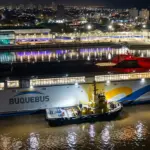
Dutch maritime construction giant Jan De Nul is playing its part in opening up Central Asian ports to trade along the ‘Middle Corridor’, known as part of the ‘New Silk Road’.
Also known as the Trans-Caspian International Transport Route, the route is being viewed as a more reliable alternative to the Suez Canal route or northern route through Russia.
Two of its ports, Anaklia, Georgia and Kuryk in Kazakhstan, will get the Jan De Nul treatment to make the route more viable still.
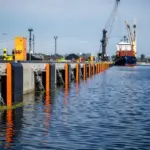
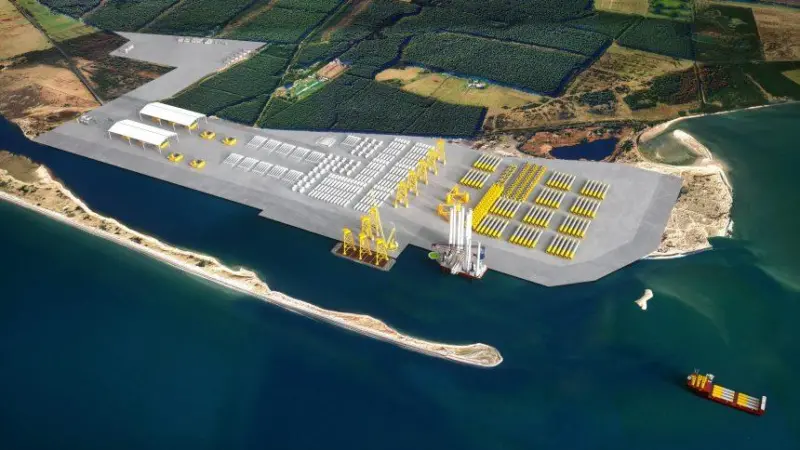
At Anaklia, a new deep-water port will be built, expanding cargo capacity by 600,000 containers. A breakwater will be built along with access channels and turning points.
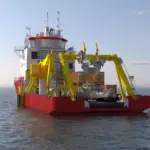
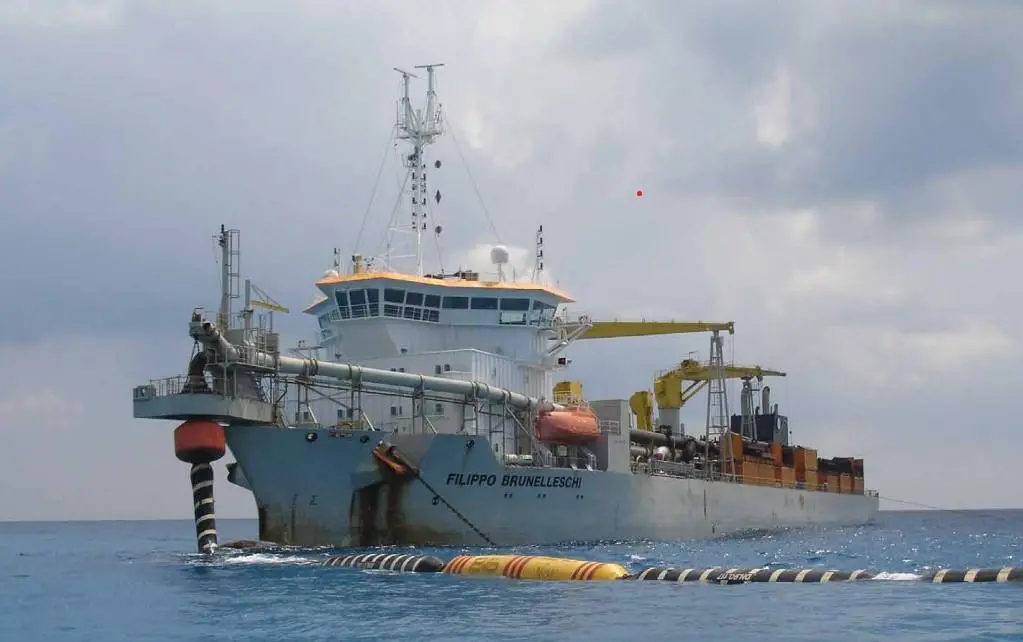
At Kuryk, capital dredging work will be carried out by Jan De Nul’s vessel Filippo Brunelleschi, a 142.5m trailing suction hopper dredger built in 2003 that can dredge to a maximum of 77 metres.
As well as the need to expand ports, dropping sea levels have made the work more necessary, says Business Development manager Stefan Muntolu.
Unlike in many other areas where sea levels are said to be rising because of climate change, in this case they are falling for the same reason, he says.
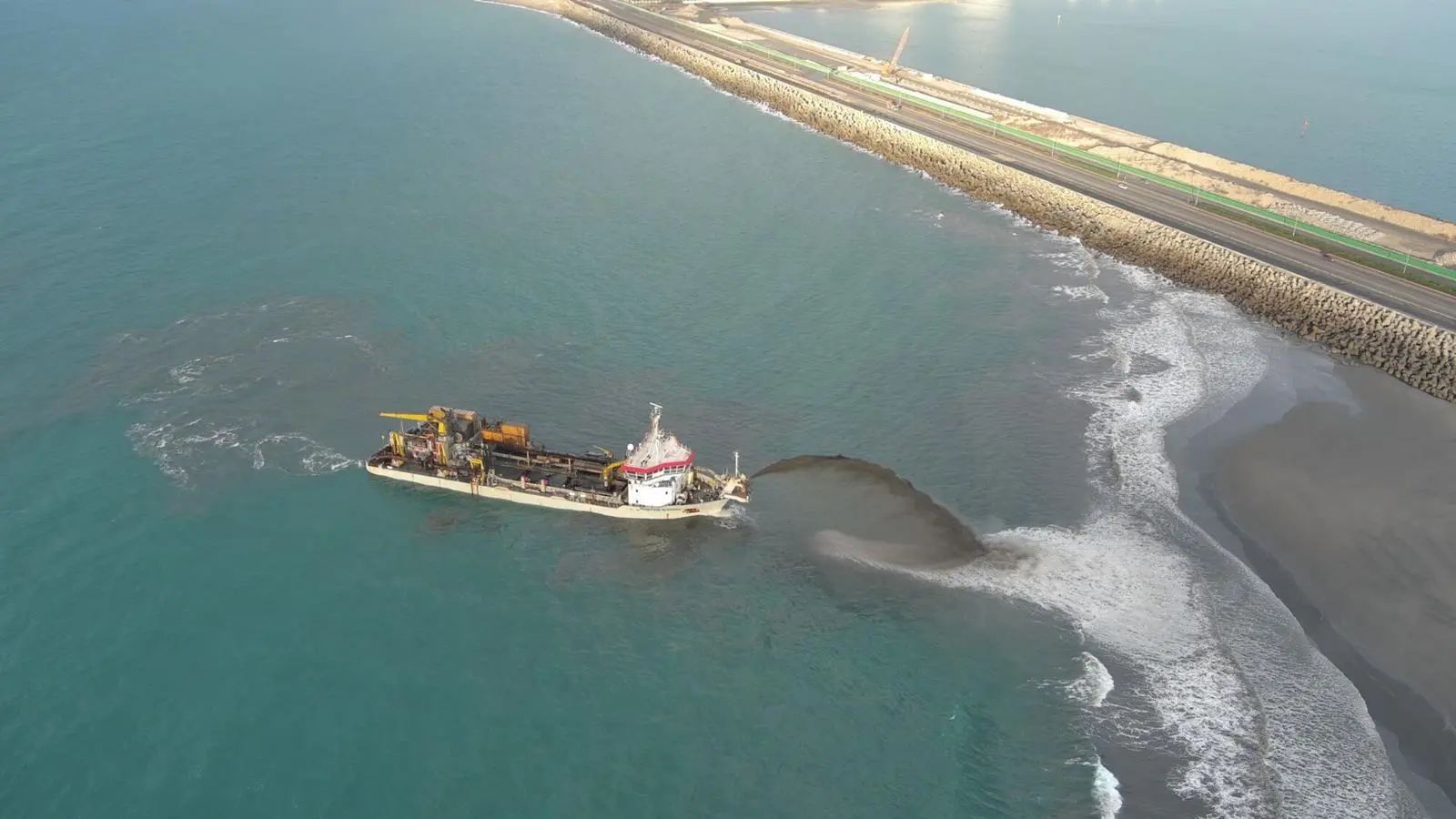
“Another challenge for the development of the Middle Corridor is the dropping sea level of the Caspian sea due to climate change. Besides a major threat for nature and biodiversity, it also risks to restricting transport through the Caspian Sea,” he says. “For sea level changes, we are actively discussing possible solutions with Turkmenistan and Azerbaijan, among others. No matter how big the challenges are, I’m convinced that Jan De Nul has the knowledge, tools and expertise to provide tailor-made solutions.
“These projects will have a big economic impact on the region. The Georgia and Kazakhstan governments made firm decisions. We are proud to take part in the development of this important trade route.“
Related Articles
 MARINE CONSTRUCTION
 MARINE CONSTRUCTION
 MARINE CONSTRUCTION