![MaritimeJournal[Seawork]](https://www.maritimejournal.com/wp-content/uploads/2026/09/MaritimeJournalSeawork.svg)





UK prepares to launch £5 billion flood defence programme
A £5 billion (€5.8 billion) programme of flood defence, infrastructure and asset management works is to be launched across England by the UK Environment Agency over the next decade.
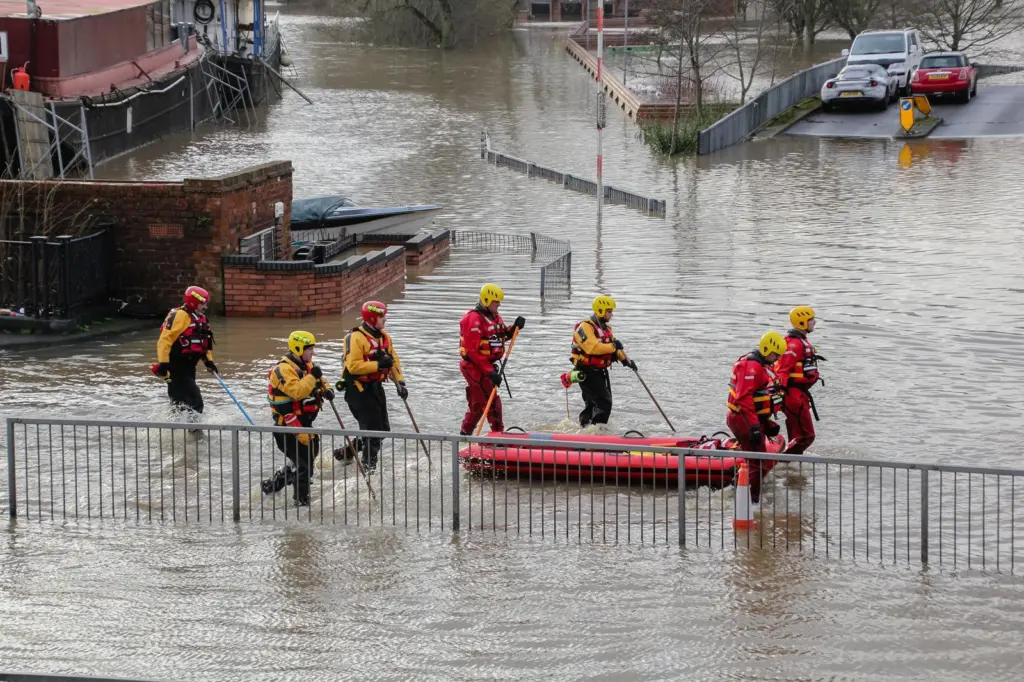
Early market information indicates the agency is preparing to outline a successor to its current Collaborative Delivery Framework (CDF), with the replacement framework, known as CDF2, expected to support a wide range of flood and environmental projects beginning in 2027.
The opportunity, listed on the UK government procurement portal Find a Tender Service, signals the start of a major programme that will combine engineering works, environmental restoration and long-term asset management across the Environment Agency’s extensive infrastructure portfolio.
Industry sources suggest the tender notice could be launched shortly, following early market engagement with contractors and consultants.
The framework will support work across the Environment Agency’s entire asset base, including:
- Flood and coastal defence infrastructure
- Navigation structures and waterways
- Water and land management assets
- Biodiversity and habitat restoration projects
The programme will fund both new construction and lifecycle asset management, covering everything from early-stage planning and design to maintenance, refurbishment and major civil engineering schemes.
Projects are expected to range in value from around £1 million up to £150 million. Typical construction activities likely to be delivered through the framework include:
- Flood defence infrastructure such as embankments, flood walls and tidal barriers
- Coastal protection works, including revetments, groynes and beach nourishment schemes
- River engineering such as channel realignment, bank stabilisation and erosion protection
- Pumping stations, sluices and control structures to regulate water levels in rivers and floodplains
- Navigation asset upgrades including locks, weirs and associated infrastructure
- Maintenance and refurbishment of existing flood defence structures
- Habitat creation and restoration, including wetlands and intertidal habitats
- Natural flood management measures, such as reconnected floodplains and woodland planting
Works expected across England
Although the framework will operate nationally, delivery is expected to be structured around three regional hubs: the North; Midlands and Southwest; East and Southeast.
Projects could therefore span a wide range of locations, from river flood defences in northern cities to coastal protection schemes along the east and south coasts of England.
Urban flood defence upgrades are likely to form a significant portion of the programme, particularly in communities vulnerable to river flooding. Coastal areas facing increased erosion and storm surge risks are also expected to see major investment.
The Environment Agency manages thousands of flood defence assets, including barriers, embankments, pumping stations and sluices. Many of these require ongoing upgrades or replacement as infrastructure ages.
The new framework is expected to be divided into three principal lots covering different stages of project delivery. The first lot will focus on strategy, appraisal and design, including feasibility studies, option assessments, business cases and technical advisory services.
Two additional lots will cover design-and-build delivery, with one aimed at smaller schemes and another covering larger construction projects.
Opportunities for industry
The programme forms part of the UK government’s wider effort to improve national resilience to flooding and coastal change in coming decades if the predicted heavier rainfall, rising sea levels and more intense storms should occur.
The framework is also likely to create significant opportunities for specialist subcontractors, environmental consultants and regional engineering firms supporting major project teams.
According to the early market notice, the Environment Agency is preparing to launch the formal procurement process through the Find a Tender Service in the near future. Once awarded, the framework will underpin delivery of flood and environmental infrastructure programmes across England for much of the next decade.
With flood risk and infrastructure under increasing pressure, the procurement marks a key step in the next phase of the UK’s long-term flood resilience strategy.
Elsewhere in Europe
Other governments are also launching major flood-protection and climate-resilience programmes, such as the Croatian works that MJ reported on last month.
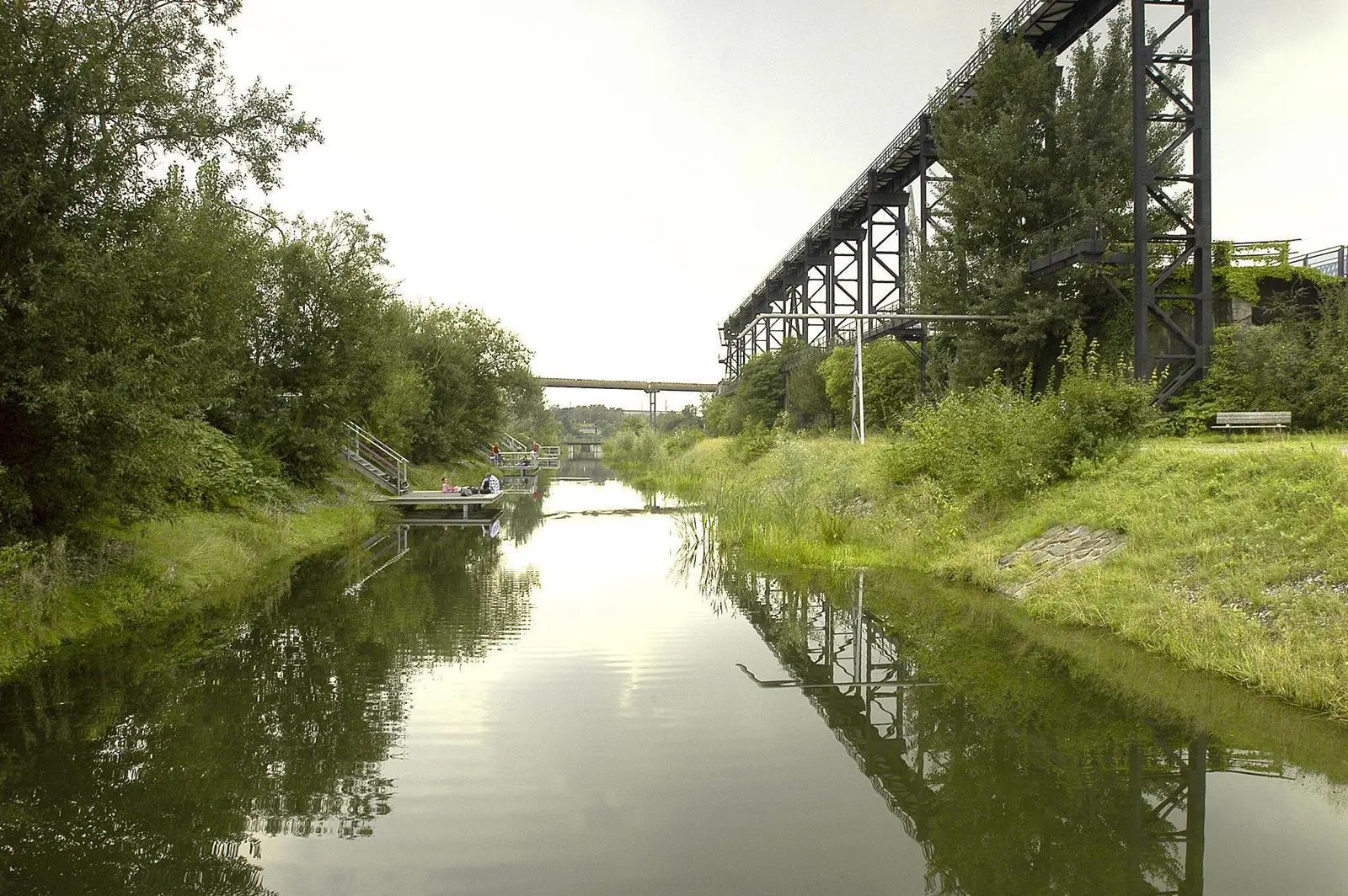
In Germany, water authorities are progressing a major €1 billion programme of flood-risk management and climate-adaptation works in the Ruhr region. The initiative is being delivered by the river basin organisations Emschergenossenschaft and Lippeverband between 2025 and 2029.
The programme focuses on the Emscher and Lippe river systems, which run through one of Europe’s most densely populated industrial areas. Planned works include the strengthening and construction of flood embankments and dykes, development of storm water management systems, and creation of flood-retention basins designed to temporarily store excess water during heavy rainfall.
River restoration projects and ecological improvements are also planned, with sections of heavily modified channels being re-engineered to improve both flood capacity and environmental quality.
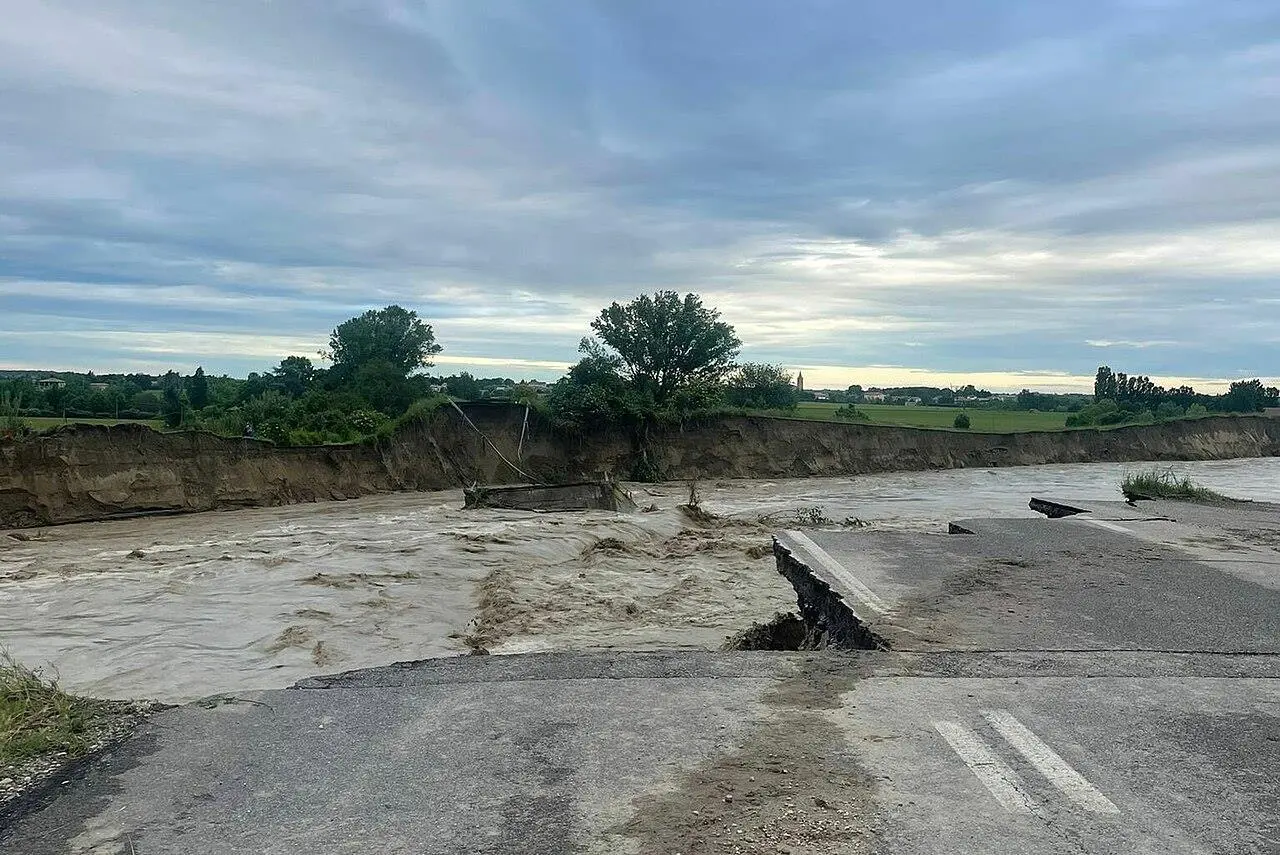
Further south, the government of Italy has approved a €1bn flood-prevention programme focused on northern regions hit by severe flooding in recent years. The investment will target areas including Emilia‑Romagna, Tuscany and Marche.
Projects are expected to include reinforcement of river embankments and levees, construction of flood-storage reservoirs, and upgrades to regional drainage and water-management systems. The programme follows devastating floods in 2023 that caused widespread damage to towns, farmland and transport infrastructure.
Meanwhile in Poland, a large national flood-risk management investment programme is being implemented by the state water authority Wody Polskie.
The scheme involves around €900m of investment in flood-protection and water-management infrastructure across major river basins.
Planned works include new levees and flood defences, construction of retention reservoirs, and improvements to river regulation and drainage systems designed to better manage high water levels during extreme weather events.
Related Articles
 INDUSTRY NEWS
 MARINE CIVILS
 MARINE CIVILS