![MaritimeJournal[Seawork]](https://www.maritimejournal.com/wp-content/uploads/2026/09/MaritimeJournalSeawork.svg)


Expanding offshore wind knowledge in shallow waters
The International Marine Contractors Association (IMCA) has released guidance which aims to support Dynamic Positioning (DP) operations in shallow waters.
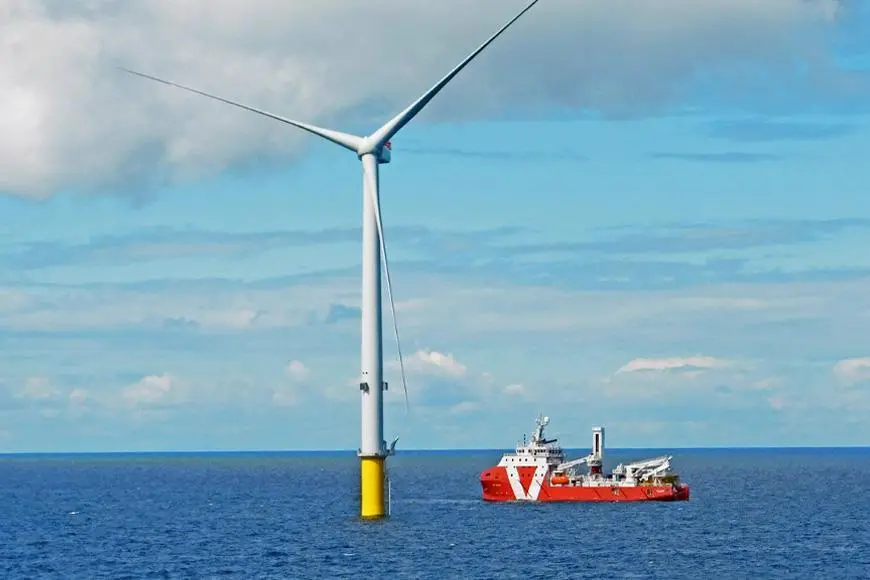
Recommended Practice for Shallow Water DP Operations (IMCA M263) offers a broader understanding of DP operations in waters where more fixed assets can be found in condensed work areas and where the increased numbers of vessels can raise the risk of collision.
“The publication of this Guidance was explicitly requested by our Members, the participants at our DP Conference in 2022, and the DP Committee as a way of providing additional support for DPOs, project engineers, planners and clients,” said Richard Purser, technical adviser – marine, IMCA.
“It addresses the pressures caused by unrealistic expectations throughout the installation process, which will decrease the risk of human error. Not only do we hope that this will cut down on downtime caused by near-misses, collisions and other incidents, but it will ensure a safer working environment.”
Specialist operations
The rise of offshore wind means specialist vessels are increasing their activity in shallow waters.
M263 aims to assist land-based project managers to better understand time scales and processes and adjust expectations accordingly. Consequently, it should reduce downtime of heavy lift operations during the installation phase and assist with walk-to-work operations throughout the life of the windfarm.
Mr Purser said that whilst not wanting to repeat existing IMCA guidance, the document does stress the importance of having two Dynamic Positioning Operators (DPOs) on watch, dedicated solely to the safety of bridge operations.
It also provides brief but essential information when deciding which position reference systems to utilise in shallow water and some of the additional environmental factors that need to be considered.
By bridging knowledge gaps, it aims to empower vessel operators to be able to challenge unrealistic expectations from onshore managers and ensure more realistic timings are applied. This is especially important for marine operations, which often run a higher risk of collision during simultaneous operations (SIMOPS).
IMCA Members can access the guidance via the website.
Related Articles
 FEATURES & VIDEOS
 ENVIRONMENT
 OTHER NEWS