![MaritimeJournal[Seawork]](https://www.maritimejournal.com/wp-content/uploads/2026/09/MaritimeJournalSeawork.svg)





Wales kicks off floating wind farm leasing round
Three offshore wind farm sites off the south-west coast of the UK have been opened up to bidders by the Crown Estate, which owns all the land off the coast of the UK.
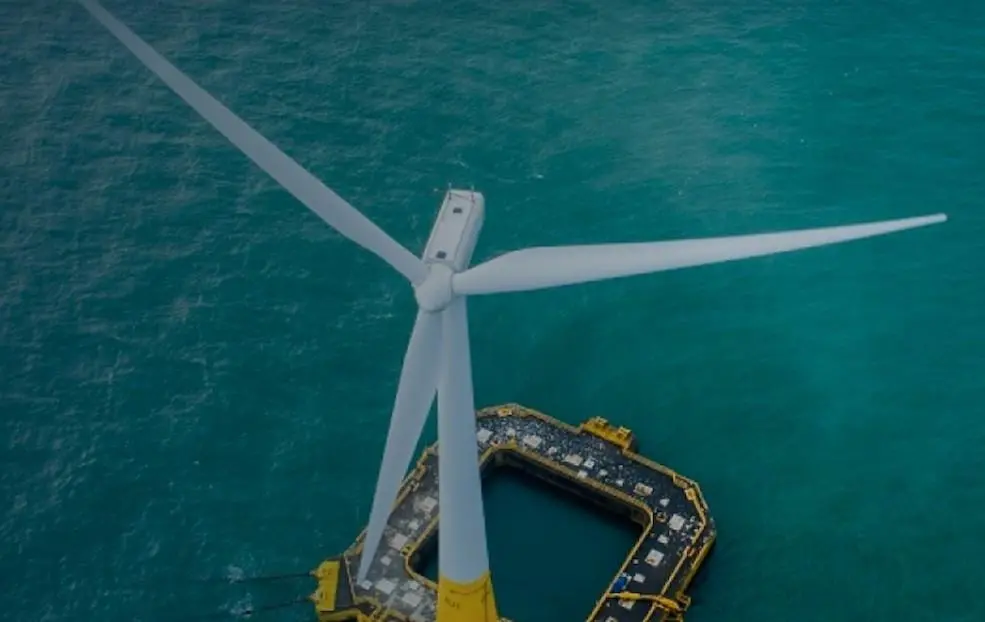
It is the second phase, the Invitation to Tender Stage 1, which should ultimately lead to the creation of new floating wind farms in the Project Development Areas in the Celtic Sea.
For the first time there has been collaboration between the Crown Estate and the Electricity Systems Operator (ESO) to develop a plan for connecting the new turbines to the energy grid, which will give developers advance knowledge of how to accomplish this.
“Bidders are being encouraged to be ambitious in developing their proposals, which could include initiatives linked to skills development, apprenticeship opportunities, community impact, sustainable procurement and nature restoration,” says the Crown Estate. “Bidders will also need to outline how they intend to work with ports in the execution of their plans, identifying both a primary and alternative port that they propose to use for the assembly of the wind farms. These plans will then form contractual obligations as part of the lease agreement for successful bidders.”
This is the fifth offshore wind leasing round by the Crown Estate, which in December set out its aim to install enough floating wind turbines in the Celtic Sea to power 4 million homes – up to 4.5GW of electricity.
“The UK’s offshore wind industry is a global success story, supporting tens of thousands of jobs and contributing billions to the UK economy,” said Gus Jaspert, managing director, Marine, with the Crown Estate. “As the need for new offshore wind capacity increases, we have challenged ourselves to find ways to accelerate its deployment. This includes a multi-million pound programme of technical and environmental surveys upfront, and our ground-breaking collaboration with the ESO, which means that bidders looking to develop floating wind farms in the Celtic Sea can progress their schemes in the knowledge that there is already a rigorously assessed recommendation for the network needed to connect them to the grid.
“Floating offshore wind presents a new transformative opportunity for the country, the region around the Celtic Sea and the marine environment. We look forward to working with industry, governments and local communities to ensure the potential of this new technology is truly realised.”
Related Articles
 FEATURES & VIDEOS
 ENVIRONMENT
 OTHER NEWS