![MaritimeJournal[Seawork]](https://www.maritimejournal.com/wp-content/uploads/2026/09/MaritimeJournalSeawork.svg)





AI, digitalisation and green corridors – hype or true change?
To make the most of new technologies, ports need to go beyond buzzwords and look under the hood.

The maritime sector stands at a pivotal juncture in a world increasingly driven by technological advancements and environmental initiatives to meet net-zero targets.
Terms like “Artificial Intelligence (AI)”, “green shipping corridors”, and “port digitalisation” frequently dominate industry conversations surrounding decarbonisation efforts, but these concepts have been greeted with a mix of enthusiasm and scepticism.
Ports around the globe are not just facing a transformation; they are at the forefront of it. As they navigate this new and challenging era, marked by ambitions for net-zero emissions, digital breakthroughs, and collaborative decarbonisation efforts, a crucial challenge emerges: discerning lasting, impactful change from transient industry trends.
The infusion of AI into port operations has been lauded for its potential to revolutionise the industry – promising enhanced efficiency, reduced operational costs, and improved safety, at a time when the urgency for ports to showcase tangible progress on sustainability and efficiency is more pressing than ever.
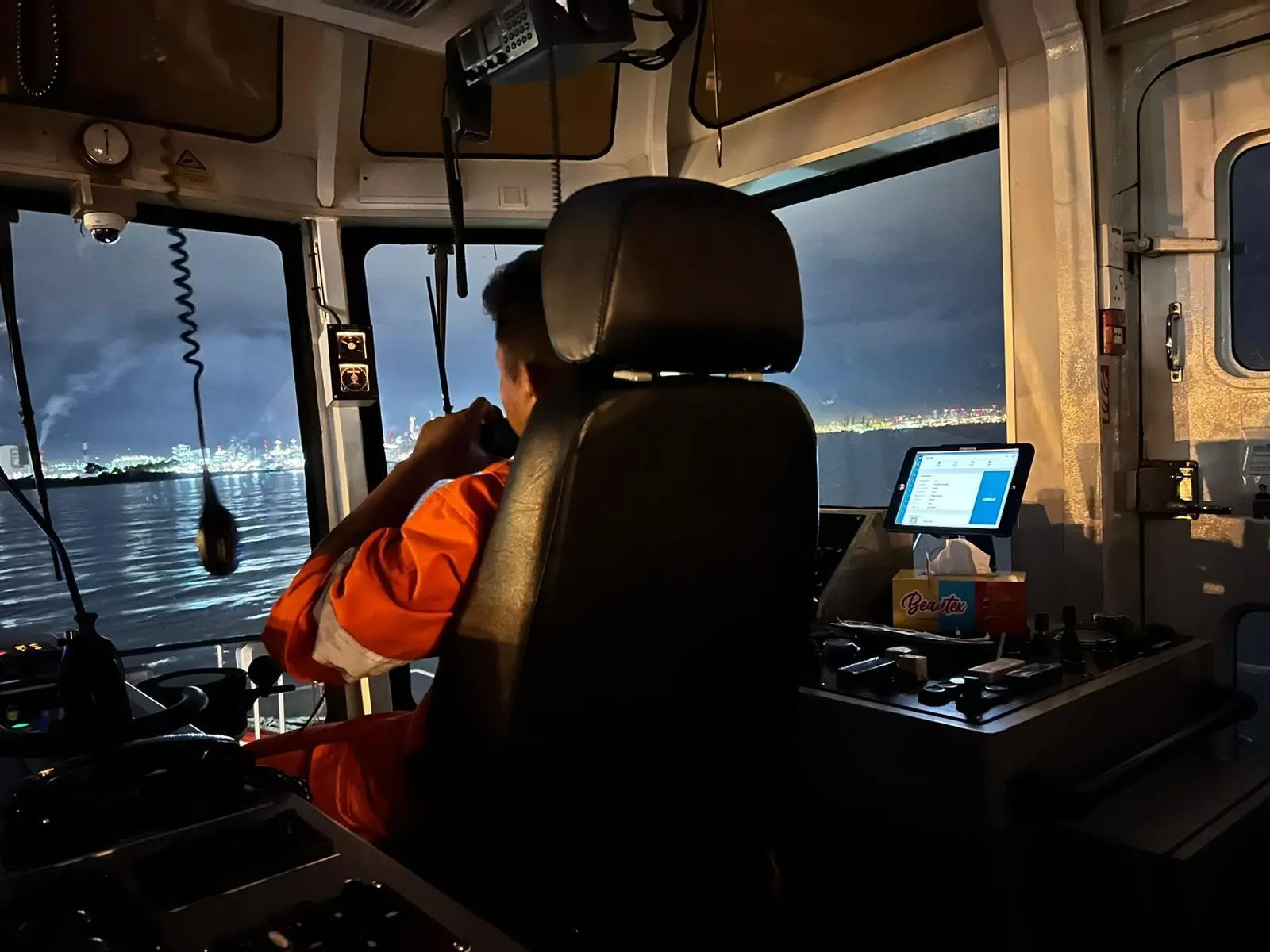
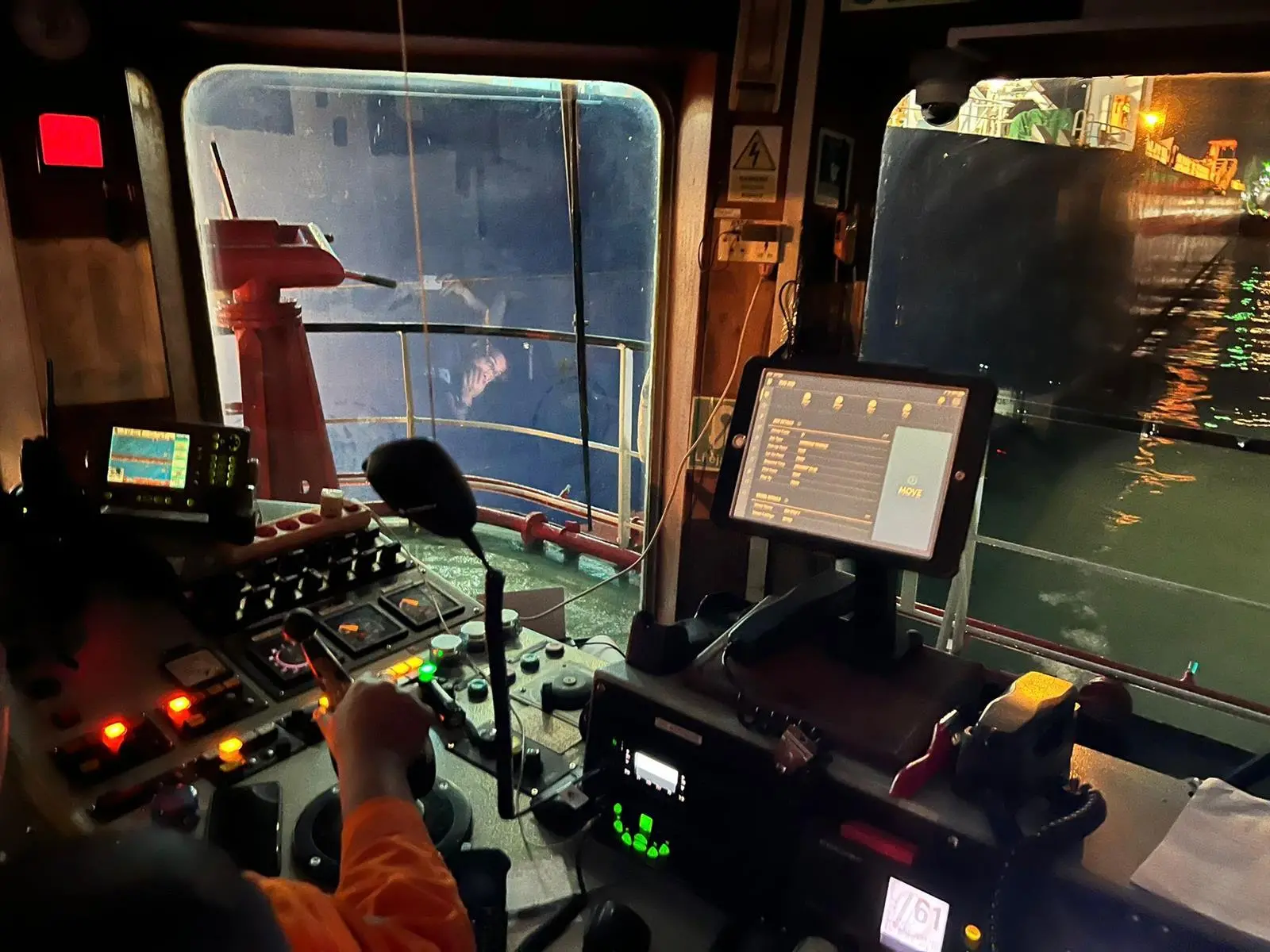
Real-world implementations, such as AI-driven navigation systems, predictive maintenance, and intelligent cargo handling, demonstrate significant progress. The AI-powered MarineM system’s impact in ports like Tanjung Priok, where it has reduced the overall distance travelled during tug and pilot operations by 20% and continues to save US$155,000 in fuel costs annually, stands as tangible proof of its potential.
AI: training is everything
An often-overlooked aspect in the discourse about AI in maritime logistics is the recognition that not all AI is created equal.
The effectiveness of AI solutions depends heavily on the quality of their underlying algorithms and the data used to train them. It’s crucial to understand that AI systems are only as good as the data they are fed. Biases in data can lead to skewed outcomes, while insufficient or poor-quality data can render AI tools ineffective.
Furthermore, the development approach – whether it’s a one-size-fits-all solution or a customised algorithm tailored to specific port operations – significantly impacts the AI system’s performance. As such, stakeholders should not only be enticed by the AI label but must delve deeper into how these algorithms are developed, trained, and validated in real-world scenarios. This scrutiny ensures that AI technologies deployed in ports and shipping corridors are not just innovative in name but effective and reliable in practice.
Breaking data silos
Digitalisation is a key facet of maritime modernisation that demands a nuanced understanding. The shift to digital operations extends beyond the adoption of new technologies; it necessitates a strategic, integrated approach. This transition involves financial investment, but more importantly, it requires a transformation in workforce skills and industry standards.
To truly realise the benefits of digitalisation, it must be seamlessly integrated into the operational fabric of ports. This means transforming isolated digital projects into a cohesive system that not only enhances overall efficiency but also promotes environmental stewardship. A holistic view is essential for optimising port calls, where berth planning is organised in conjunction with vessels’ estimated times of arrival and the availability of nautical services. This integrated approach will ensure that digitalisation serves as a catalyst for efficient and sustainable port operations, rather than just being used as a buzzword.
There is also a lingering concern about over-reliance on technology that might not be entirely fool proof or adaptable to all port environments, and this rapid transformation is not without its perils.
Cyber security emerges as a prime concern, with the increasing digitisation making ports more vulnerable to cyber attacks.
The potential for job displacement and the need to retrain the workforce also pose social challenges that the maritime industry must address.
A digital foundation for decarbonisation
Concurrently, green shipping corridors are gaining prominence, but are they sustainable highways or a path of resistance?
Symbolising the maritime industry’s commitment to reducing its environmental footprint, these corridors represent more than environmental initiatives; they are a testament to the power of collaborative innovation.
Yet a solid digital foundation is indispensable for these corridors to transition from ambitious ideas to impactful realities.
Here, digitalisation and AI are not merely technological solutions: they are vital components in realising the full potential of green shipping corridors. They offer the insights necessary for route optimisation, energy management, and cooperative planning, thereby transforming these initiatives from noble aspirations into tangible results.
The maritime logistics sector stands on the starting line of implementation.
As we look to the future, the potential for AI to optimise port operations, for green corridors to decarbonise shipping routes and for digitalisation to enhance efficiency is immense. Yet realising this potential requires a concerted effort from all stakeholders. It involves integrating new technologies and fostering an ecosystem that supports sustainable and secure practices.
As the maritime industry charts its course in this new era, decision making must be founded in data and facts, and attention paid to the nuances of each technology with a focus on the specifics of their implementation.
By judiciously evaluating and incorporating these technologies, ports can lead the way in transforming the industry, positioning themselves not just as technological pioneers but as champions of a sustainably transformative future.
This path, marked by strategic choices and collaborative efforts, is the route to ensuring that the maritime sector not only keeps pace with the times but sets a benchmark for sustainable, efficient operations in the global landscape.