![MaritimeJournal[Seawork]](https://www.maritimejournal.com/wp-content/uploads/2026/09/MaritimeJournalSeawork.svg)




Guide to single vessel Class Approval & compliance
Emissions compliance for IMO Tier III and Stage V Inland Waterways is necessary for many vessel owners and operators; however, challenges can be met when faced with the choice of engine types and space envelopes in vessels.

Dr David Phillips, Engineering Director with Eminox, explains how innovative solutions and years of industry experience now enable naval architects and boat builders to achieve Single Vessel Class Approval and the required emissions compliance, and how this methodology can benefit the maritime industry.
What is Class Approval?
First, it is prudent to understand what Class Approval is and the impact it has on maritime sectors.
Classification societies award Class Approvals and are recognised advisers to the maritime industry. They are responsible for enhancing safety, quality, energy efficiency and environmental performance for all vessel types, globally.
To that end, it is important to ensure all parts of a vessel have appropriate Class Approval where required. Doing so ensures a seamless route to full vessel approval. Furthermore, class society approvals for emissions compliance are measured against Annex 13 of Resolution MEPC 291(71) guidelines, with two schemes to choose from: Scheme A and Scheme B.
Scheme A is used to obtain approval for a range of engine types, typically undertaken on a test bench, for serial supply into the market whilst Scheme B is for single vessel or a limited number of engine approvals where using a test bench would not be cost effective. Eminox supports its customers through both schemes depending on the specific customer needs.
Why is it important to the maritime industry?
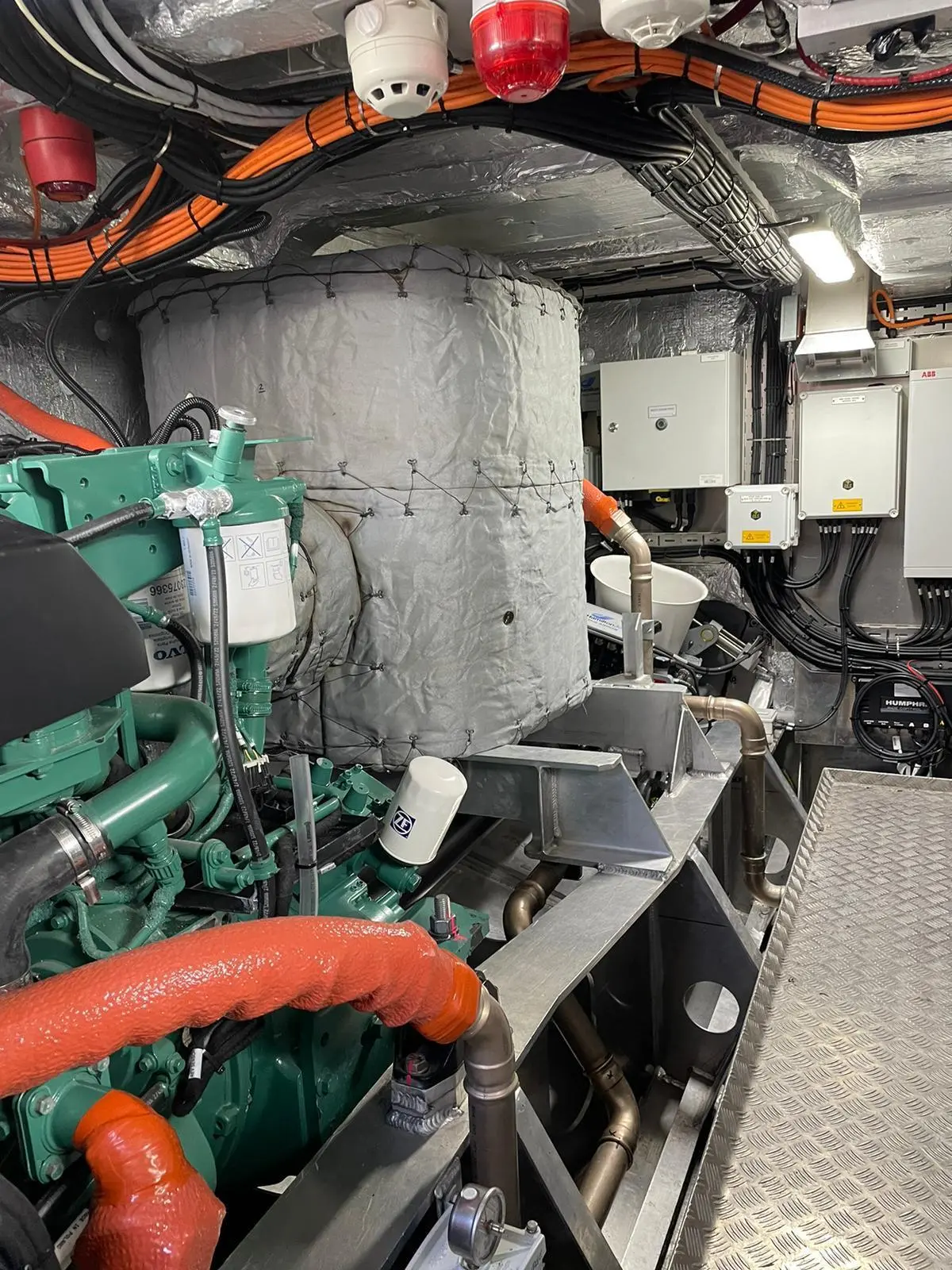
Class Approval is required before a vessel can be launched and one part of the approval process includes ensuring the propulsion or auxiliary engines and their exhaust systems are fit for approval.
Aside from choosing new systems that meet the latest emissions standards, it is also possible to upgrade the emissions compliance of engines that are currently non-compliant. This emission control solution provides naval architects and boat builders with the flexibility to choose the brand and size of engines they prefer for their specific project, without compromise.
When considering IMO Tier III emissions regulations, in force across multiple emission control areas (ECAs), it is possible to upgrade an IMO Tier II engine to successfully achieve IMO Tier III, with class approval.
Fitting an approved controlled exhaust after-treatment system significantly reduces harmful PM and NOx to achieve IMO Tier III emissions levels and gain class approval.
In practice
A recent project completed by Eminox, exhaust after-treatment and emissions compliance experts was based on an engine out NOx limit of 6.0 g/kWh and a targeted tailpipe NOx mass of 1.96 g/kWh. The exhaust after-treatment system was required to reduce NOx by a minimum of 67.5% to ensure tailpipe NOx emissions met the limits of the IMO Tier III NOx emissions regulations.
Using industry-approved Portable Emissions Measurement System (PEMS) testing, it reported this system reduced NOx emissions by 87.1% at 25% load, 80.6% at 50% load and 90.6% at 75% load, far exceeding the IMO Tier III requirements.
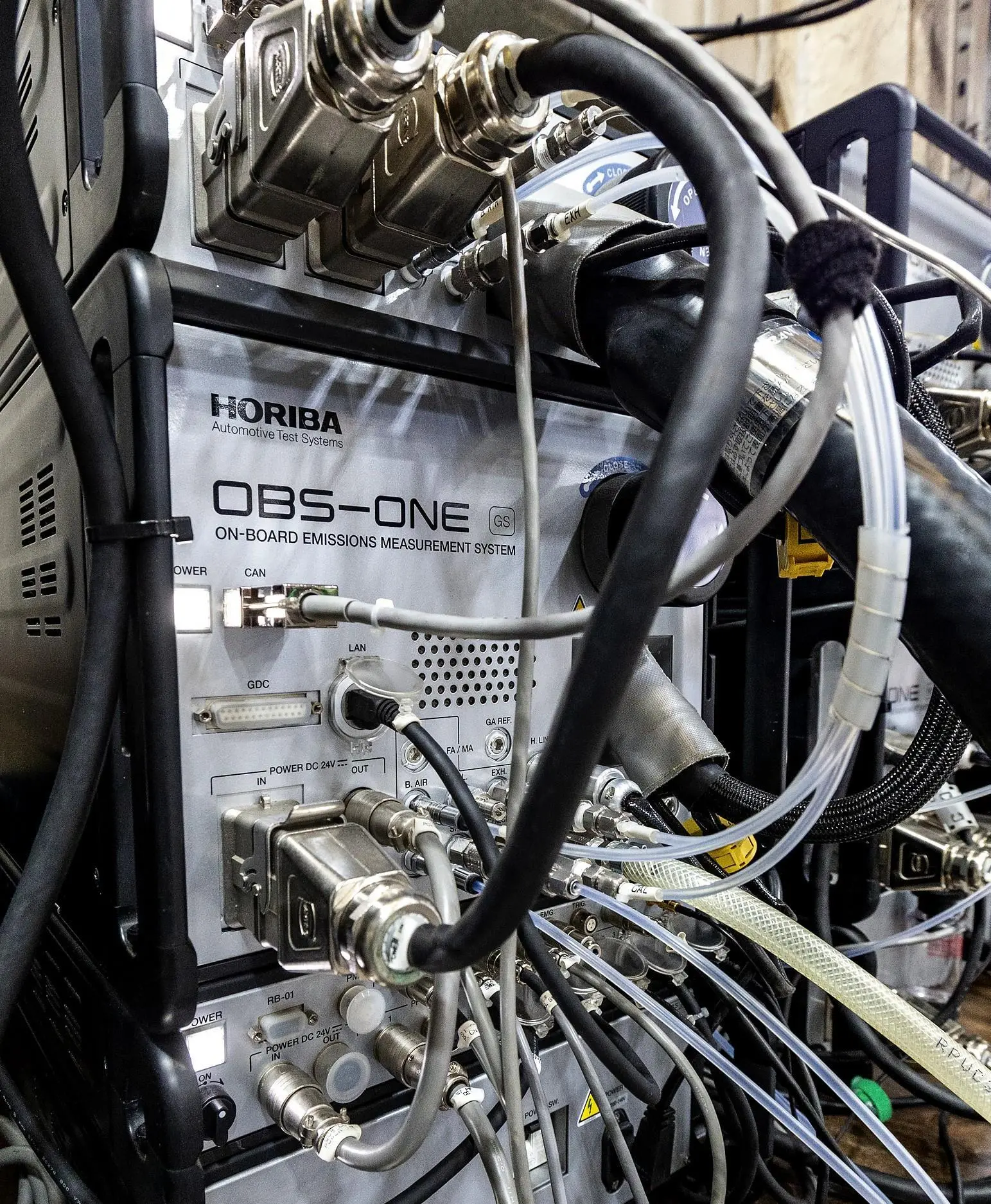
Full classification society certification was received for this exhaust after-treatment control system, tailored for the marine industry, and the certification allowed Eminox’s customer to obtain full on-vessel approval and receive single vessel emissions approval on the first occasion.
The success of the project means that by implementing the Scheme B approval process, it is possible to upgrade the emissions compliance of an engine to IMO Tier III regulations by specifying Selective Catalytic Reduction (SCR) technology, designed specifically to suit many engines and vessels, including those with challenging space envelopes.
And for vessels operating in Stage V Inland Waterway regions, the reduction of PM is achieved by adding a diesel particulate filter (DPF).
How to achieve full vessel approval
Naval architects and boat builders can choose any recognised classification society, such as DNV (Det Norske Veritas), Bureau Veritas (BV) and Lloyds Register, to seek full vessel approval.
As part of class society approval processes for emissions compliance of a single vessel, Eminox will provide customers with the type approval number, which forms part of the full vessel class society survey.
Together with Scheme B emissions testing, this certifies a vessel is fitted with the latest emissions reduction technology and that it complies with maritime emissions regulations such as IMO Tier III and Stage V Inland Waterways.
This Eminox process to achieve the latest emissions standards, from design concept through testing and then installation, provides naval architects, boat builders and owners with a real-world proven process in which they can achieve the necessary emissions compliance whilst balancing vessel design and upgrades to maintain the sustainability of the global maritime industry.