![MaritimeJournal[Seawork]](https://www.maritimejournal.com/wp-content/uploads/2026/09/MaritimeJournalSeawork.svg)






IMPA warns against competition and deregulation
The International Maritime Pilots’ Association (IMPA) has warned against the creeping trends of competition and deregulation in pilotage, saying the evidence does not stack up in its favour.
IMPA considers it a mistake that some jurisdictions are tempted by the idea that deregulation and competition can deliver a better service at a lower cost and has presented evidence suggesting otherwise, including an economic study published in 2023 that found that every $1 invested in a well-regulated system returns $60 in safety and efficiency benefits.
“Maritime pilotage is a public, not commercial, service that exists for the safety of navigation,” it said, adding that the importance of safety provision within a port could not be understated, especially where the pilot’s role is easily misunderstood.
The pilots’ representative association suggests that deregulation and competition are ‘the surest routes to governments locking themselves and their public out of that opportunity’.
“Where deregulation and competition have been introduced, we see increasing costs and reductions in safety and efficiency. In the worst cases, we see systems that fail to adequately protect the public,” said IMPA president Captain Simon Pelletier. “To capture the economic, social and environmental benefits from maritime pilotage, governments must create the right environment. This is what the overwhelming majority of jurisdictions do. The few jurisdictions that have introduced deregulation and competition need to change course.”
Part of the service
Marine pilotage is just one of the services employed to ensure the safe and efficient arrival and departure of a ship in a port alongside VTS traffic management, shiphandling tug provision, line-handling and ship agencies.
The questions around what if any regulatory structure is necessary for each part of the jigsaw are linked to the consequences of when things go wrong, not only for those directly involved both practically and financially, but also for the local communities, surrounding environment and wildlife.
It is the importance of the pilotage element that IMPA highlights along with the consequences of assuming that the otherwise natural advantages of competition and deregulation will lead to potential economic benefits – some elements of a ship’s voyage being too important to be potentially devalued.
There is no globally universal system for operating maritime pilotage, including the way the pilots themselves are employed. IMPA states that the data ‘speaks for itself’, including in one jurisdiction where competition in service delivery was introduced that led to a doubling of pilotage fees since 2018, and the incident rate per port call 41 times the international average.
In one case, the main provider’s efficiency declined by 9% and the service’s ability to meet total demand compromised. In another example, deregulation and government profiteering, in combination with a dilution of training and licensing standards, ‘made it hard to say the service is pilotage’, according to IMPA. In one jurisdiction, 60% of maritime safety incidents under pilotage occurred in areas where providers competed against one another to provide the service, it said.
Competition
Competition within for example the shiphandling tug sector is common and generally well managed, with the possibilities of a cooperative approach to ‘sharing’ tugs when demand for one operator outstrips supply, all with the potential to improve overall efficiency.
With ever-present pressures to reduce costs, some larger container carriers have secured deals with tug operators to provide services in a number of ports in their rotation schedule, in one case even establishing its own fleet of tugs.
IMPA’s position is that the same principle, including introducing competition, does not fit comfortably with the role of pilotage, saying that when multiple operators replicate infrastructure including pilots, pilot boats, training programmes and facilities, and seek to recover costs from a divided market, costs inevitably go up, not down.
Furthermore, when there is less chance of making profit, there can be under-provision of pilotage, necessitating government intervention. And when providers abuse their market power, the government must intervene again according to IMPA, adding the irony that deregulation in pilotage creates a greater need for intervention, not less.
IMPA references two studies as evidence for its arguments. In 2018 KPMG produced a report, Research Summary – International Comparisons, as part of the Pilotage Act Review, while in 2023 the Canadian Marine Pilots’ Association updated its document Marine Pilotage in Canada: A Cost Benefit Analysis.
IMPA considers deregulation and competition are not features of ‘mature, high-performing pilotage systems’, citing the EU’s Port Services Regulation safeguards against competition in maritime pilotage. Alaska and Florida, meanwhile, having experimented with competition in the past, explicitly prohibit the practice because of the threat to public interest.
A range of approaches to managing marine pilotage exists globally. In the US, for example, at federal level the US Pilotage Act 1789 establishes that individual coastal states should regulate pilotage in their waters. In the EU, pilotage is also regulated but reflects the autonomy of each coastal state, with pilotage rules established at national or even port level.
The value of pilotage
The fine detail of pilots’ contributions to safety can be overlooked. Their primary role is obviously to provide local knowledge to the ship’s master, who could be experiencing their first arrival at the port. Pilots must also master the handling characteristics of different types and sizes of vessels on a daily basis.
Shifting sandbanks due to weather variations can change tidal flows, almost on a daily basis, whereby a pilot’s regular day-to-day experience will minimise risk in dynamic situations.
Complex manoeuvres in large ports can involve coordination with other vessels where there may be room for only one vessel in some parts of the passage. Local VTS often manage such interactions, but the pilot’s presence on each vessel enhances the understanding of each other’s situation and intentions.
The contribution extends beyond just knowing when to turn, when to slow down or speed up, however. When MJ experienced a busy day in the life of a Rotterdam shiphandling tug (https://www.maritimejournal.com/safe-and-efficient-shiphandling-in-rotterdam/1163409.article), an enduring impression was the smooth integration of those involved with bringing ships safely to and from their berth and how integral this was to the safe outcome of the operation.
Pilots, VTS operators, tug crews and line-handlers may know each other personally, even being on first name terms. Indeed, their training often involves experiencing each other’s role first hand.
While this indicates the process is a local team effort involving minimum communication, the ship’s master remains in overall command of their vessel with the requirement to over-rule an action of the pilot if they feel necessary.
In reality the pilot normally ‘has the conn’, using their local knowledge, including the workings of the port and other elements in the process that the ship’s master relies on, sharing their own intimate knowledge of the vessel’s handling characteristics but in effect handing over the baton to conduct the orchestra.
While the advocates of deregulation and competition may suggest that such high standards would not suffer, IMPA’s arguments against going down this road to reduce costs and increase efficiency are strong, backed up by the evidence from Canada.
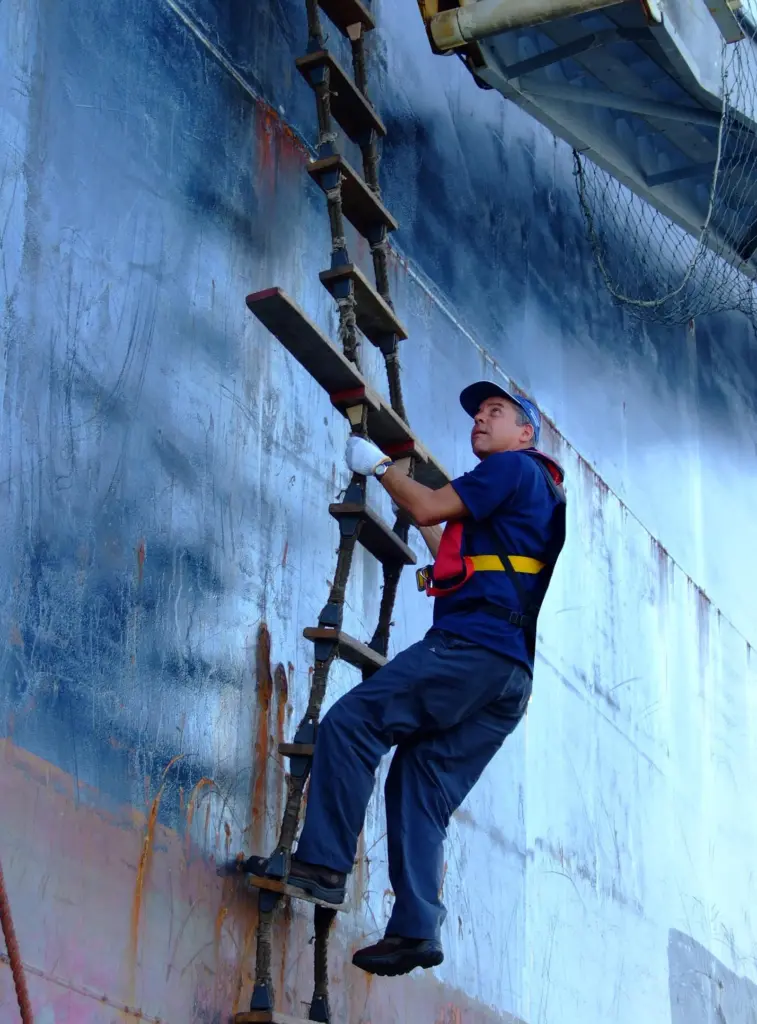
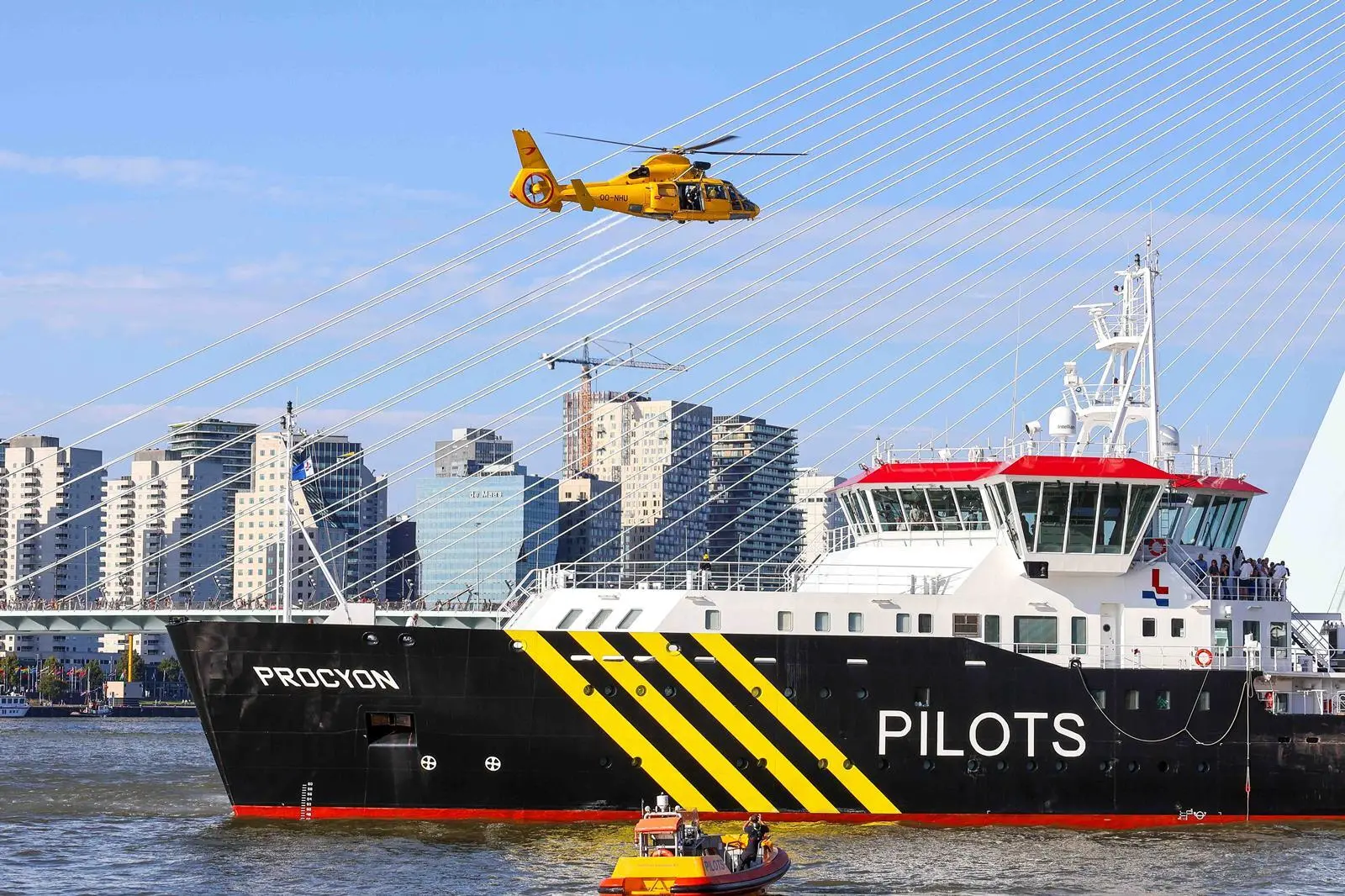
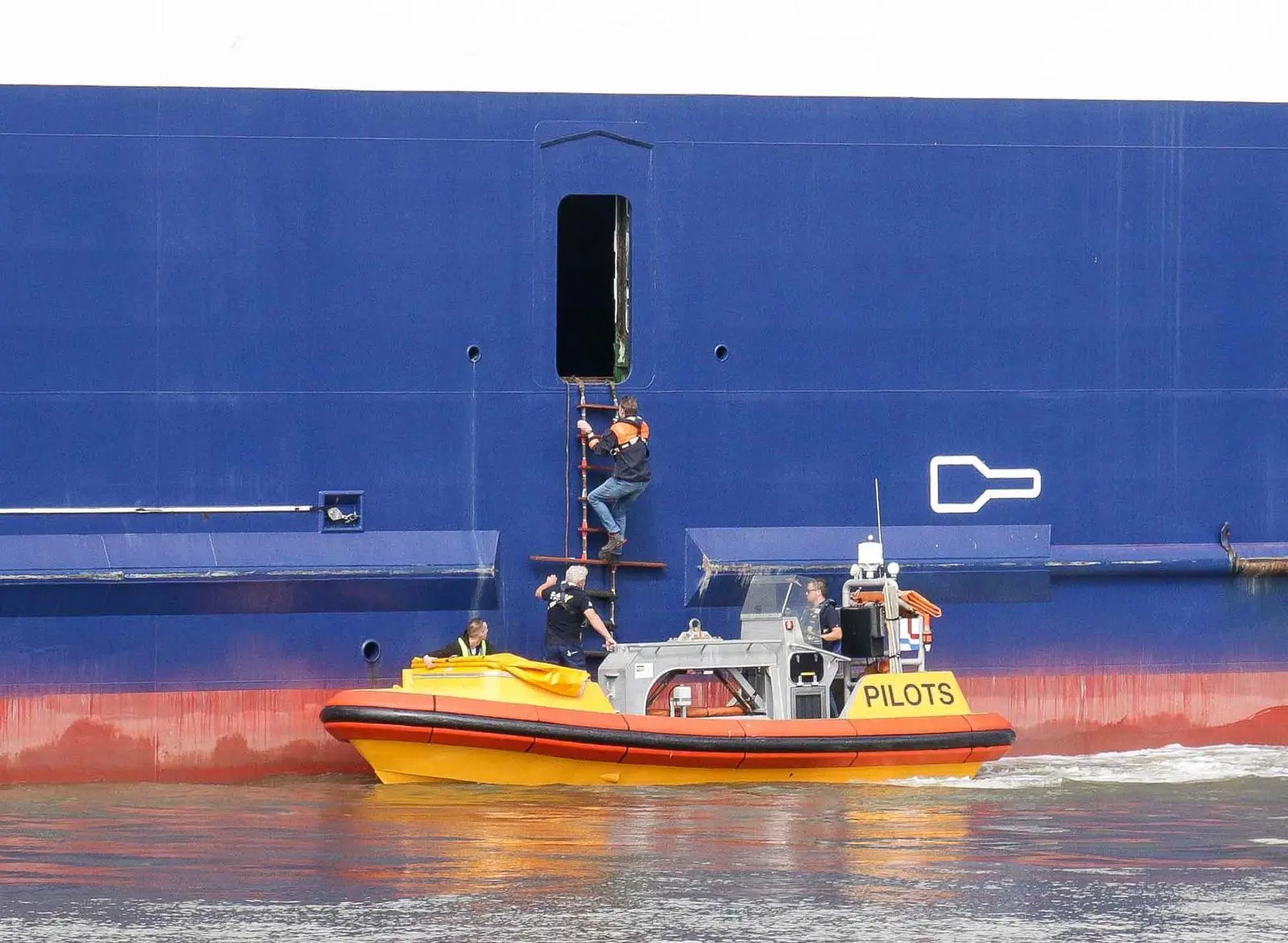
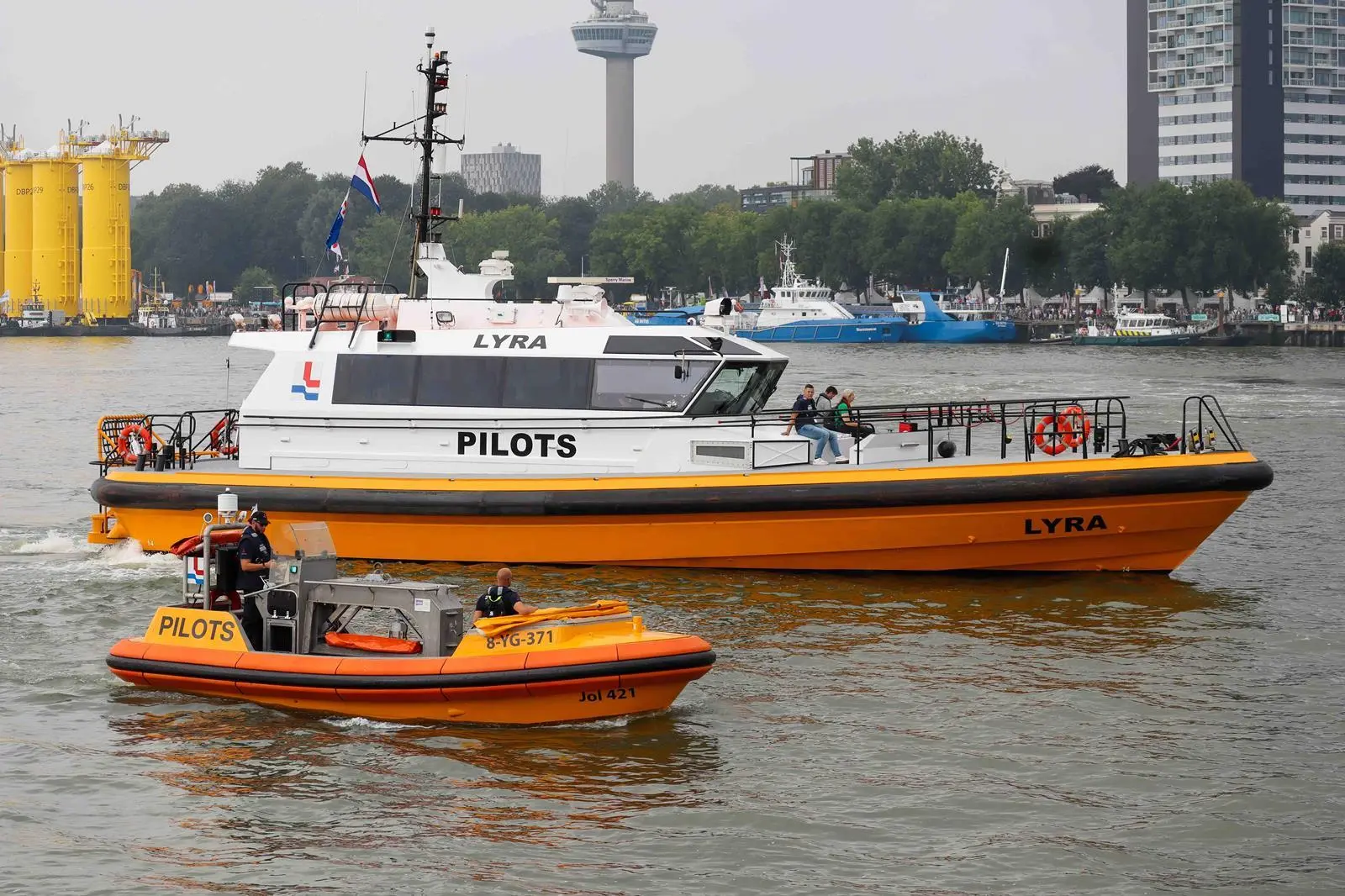
It has to be remembered also that the role comes with risks of injury or worse. Pilots usually transfer to and from ships at sea by fast cutter or tender from a larger pilot vessel, occasionally transfers are made by helicopter and pilots have lost their lives during transfer by sea that have gone wrong, sometimes in inclement weather.
Related Articles
 SPECIAL REPORTS
 FEATURES & VIDEOS
 FEATURES & VIDEOS