![MaritimeJournal[Seawork]](https://www.maritimejournal.com/wp-content/uploads/2026/09/MaritimeJournalSeawork.svg)


Engine control issue leads to collision
A UK Marine Accident Investigation Branch report has found that mismatched propulsion pitch levers on a moored fishing vessel led to its collision with an unmanned tug and the release of about 7,000 litres of marine diesel oil.
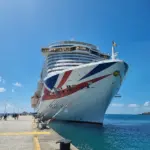
The UK-registered, 81m long fishing vessel had returned from fishing grounds off northern Norway and was piloted to its berth at King George Dock, Hull where it was secured by eight mooring lines forward and aft.
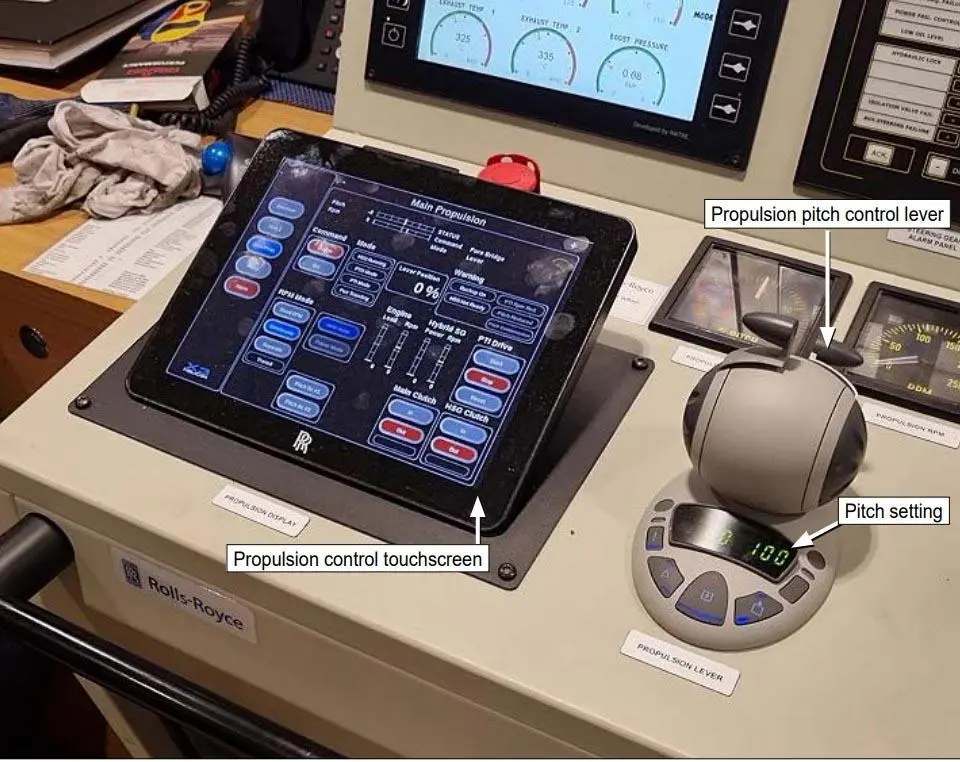
During its passage to Hull the ship’s engineers carried out maintenance, requiring propulsion control to be transferred from the bridge to the engine control room (ECR) from where the pitch control lever was set to full ahead.
When control was passed back to the bridge, the ECR pitch lever was left in the full ahead position.
The master berthed the vessel from the starboard bridge wing control station and once moored alongside, control of the propulsion system was returned to the centre console position.
With the vessel secured alongside, control of the propulsion system was passed to the ECR so that the main engine could be shut down. The first engineer, upon hearing the propulsion command change alarm, reached across from his chair and pressed the ‘ECR’ then ‘Accept’ buttons on the touchscreen, thereby accepting control.
Eighteen seconds later the vessel started moving ahead. On the bridge the first officer raised the alarm and the master telephoned the ECR, instructing the first engineer to stop the engine.
At the same time the emergency stop button on the bridge was pressed, which declutched the engine. Moments before the call, having sensed a change in the main engine load, the first engineer observed the pitch on the engine control console was set at 85%.
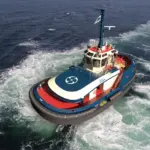
As the vessel moved forward some of its aft mooring lines parted and 10 seconds after the engine had been declutched, the vessel collided with the moored and unmanned harbour tug berthed ahead of it.
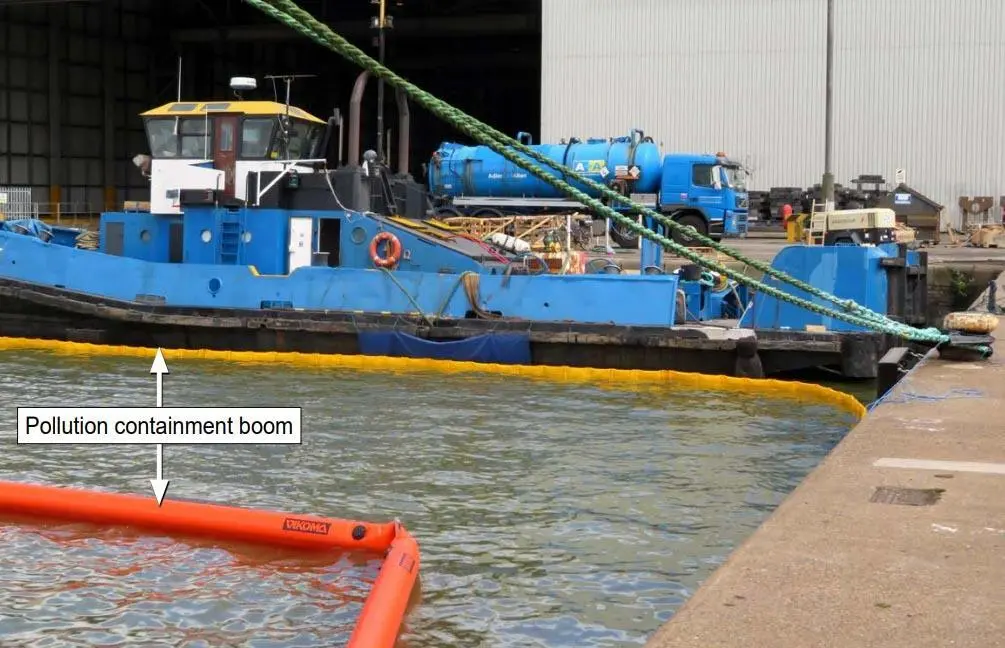
Damage to the fishing vessel was minor but more serious for the tug, which was holed below the waterline, breaching the fuel tank and flooding the engine room. Assistance was quickly organised, including from the port’s oil spill contractor, the eight-week pollution response operation costing around £250,000 (€296,000).
Conclusions
The report examines in detail the vessel’s propulsion control arrangement along with the owner’s safety management system and human reliability element, also noting International Association of Classification Society (IACS) requirements that: ‘The control system shall include means to prevent the propelling thrust from altering significantly when transferring control from one control to another’.
While the analysis notes that the pitch lever being left at full ahead did not present any problem until control was passed back to the ECR, it found that no procedures were in place to ensure that confirmation of pitch lever positions was communicated before control was handed over.
Given the short time span it was considered that putting the engine to full astern would not have had any effect and that the master’s action to declutch the engine was an appropriate response.
The report’s conclusions include there being no onboard procedure for the transfer of propulsion control and that the propulsion control system did not align to the standard of Unified Requirement M43.12 class requirements, which required a means to prevent significant alteration of the propelling thrust when transferring control.
Since the accident, UK Fisheries Ltd has introduced a new requirement to the vessel’s pre-arrival checklist, requiring verbal confirmation that pitch controls are set to zero before changing control between stations and requested that the propulsion system manufacturer modifies the control system to prevent reoccurrence.
MAIB’s recommendations include that the vessel’s classification society proposes to IACS that UR M43.12 is reviewed to clarify its intent, and that it informs its customers that the propulsion system might allow remote control station changeover with mismatched levers and suggest that the manufacturer be contacted for advice.
The propulsion system manufacturer is recommended to issue a service letter to its own customers advising them of the possibility that the changeover process can allow the mismatching of levers and advise them of methods of operation and/or rectification should these be requested.
A safety flyer providing condensed information and the report itself can be accessed at https://www.gov.uk/government/news/kirkella-and-shovette-report-and-safety-flyer-published