![MaritimeJournal[Seawork]](https://www.maritimejournal.com/wp-content/uploads/2026/09/MaritimeJournalSeawork.svg)



SeaEnergy moves over to maintenance
SeaEnergy, faced with the steep bills for wind farm projects, is selling its renewables construction stake and is moving its focus to the maintenance side of the business.
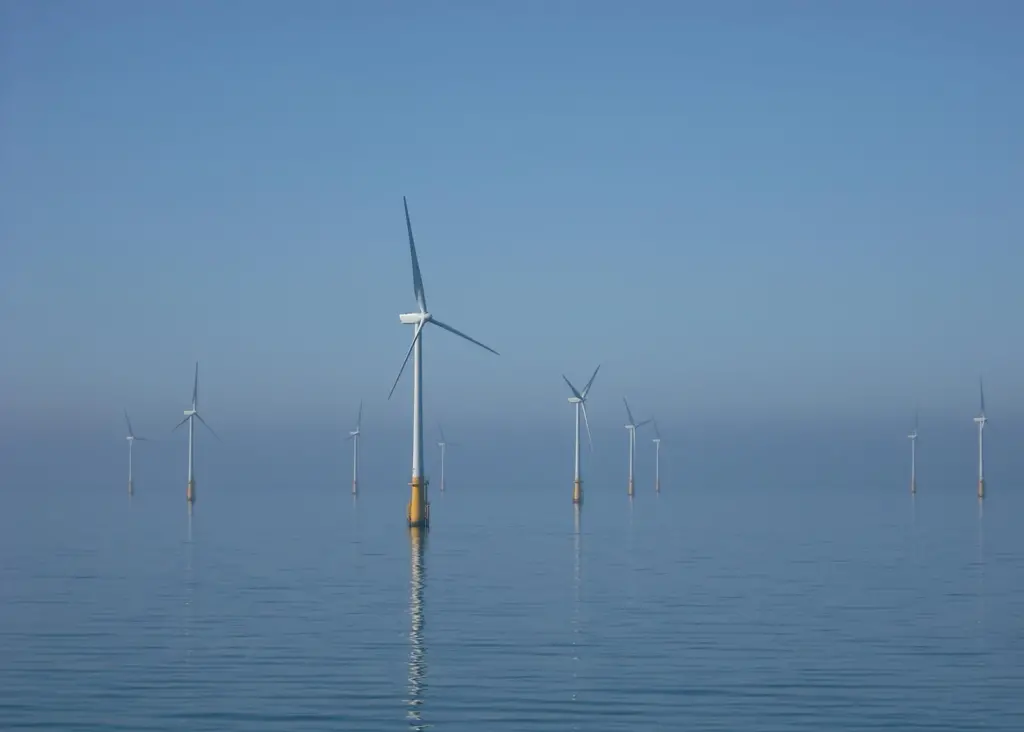
SeaEnergy Renewables Limited (SERL) is being sold to Spanish energy company Repsol in a transaction which values the enterprise at around £50m. The share price has benefited from the recent conditional award by The Crown Estate for the Inch Cape Project, bringing SERL’s net UK capacity rights to around 1,510 MW.
However, the parent company is now looking to use the proceeds to build the company’s first wind farm support vessel under the banner of SeaEnergy Marine, an enterprise that has been developing for the last year. The company says it is “already well advanced in identifying and developing significant opportunities to provide ongoing support services to the offshore wind industry”, and will pursue this once a charter has been secured “on acceptable terms”.
SeaEnergy Maritime has developed a multi-purpose vessel concept, based on dynamically positioned motherships from which smaller vessels can be deployed, increasing the time spent working on turbines. It is in discussion with shipbuilders and anticipates that the first vessel could be in service by mid-2013.
It should have the cash to do a good job. In disposing of its 80.13% interest in SERL, the company will recover all of its investment, pay off its bills and secure an additional net cash consideration of around £30.7m.
SERL has been notable for its successes,but to an extent it has been a victim of them. Within its first year SERL, together with major utility partners, secured interests as a part of the Scottish Round process in two major UK offshore wind farm sites with a combined gross project size of 1,825MW. At the start of 2010 SERL added a third UK site with a gross capacity of 1,500MW as a result of its successful bid with a third major partner in the UK Round 3 process.
However, SeaEnergy’s board noted that the development of offshore wind farm sites typically involves an annual investment profile which increases substantially as time progresses. This spend profile put the company’s assets under breaking strain when RWE npower withdrew from the Inch Cape project in 2010, leaving a total funding gap.
Compounded by the difficult state of the equity market, SeaEnergy decided to look for a buyer for SERL’s assets last year. Although the completion of the Scottish Strategic Environmental Assessment process in March 2011 enhanced the value of the projects, the delay in the award to SERL contributed to a more protracted sale process than initially anticipated.
EDPR and Repsol will now develop the Moray Firth and Inch Cape Projects together on a 60/40 capacity basis.
Related Articles
 OTHER NEWS
 FEATURES & VIDEOS
 MARINE CIVILS