![MaritimeJournal[Seawork]](https://www.maritimejournal.com/wp-content/uploads/2026/09/MaritimeJournalSeawork.svg)


Inland waterways decarbonisation: a voyage of discovery
One of the runners-up to the new Future Seawork award has agreed to write a regular column for Maritime Journal on his work as a PhD student looking at the challenges of decarbonising inland waterways.
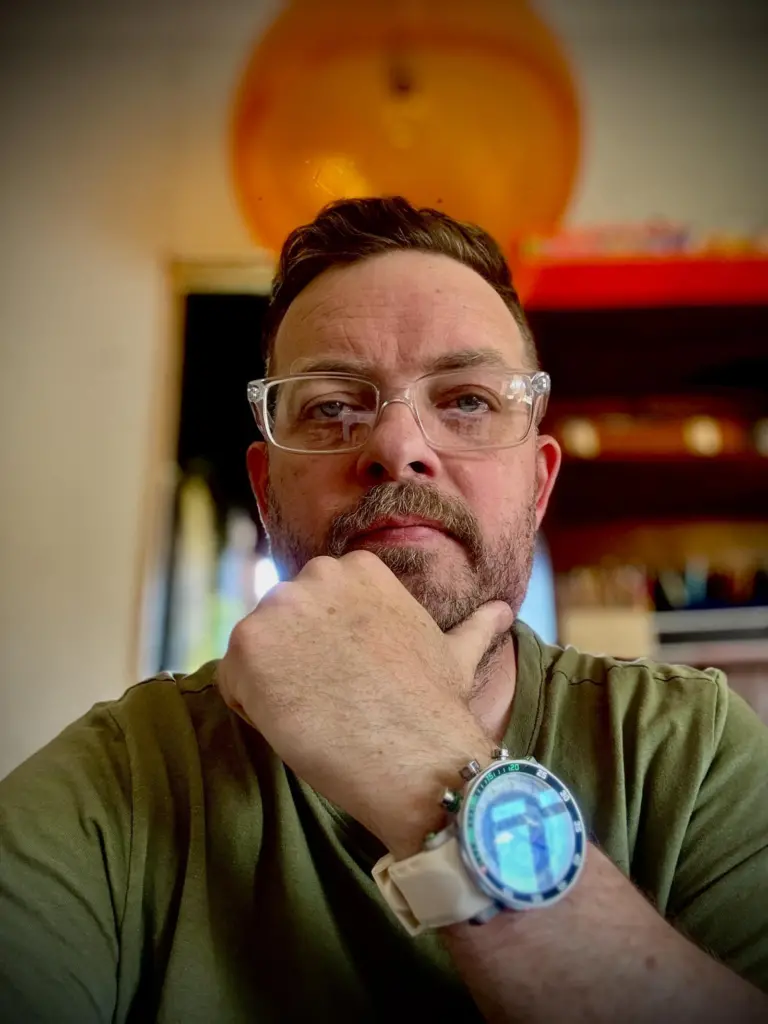
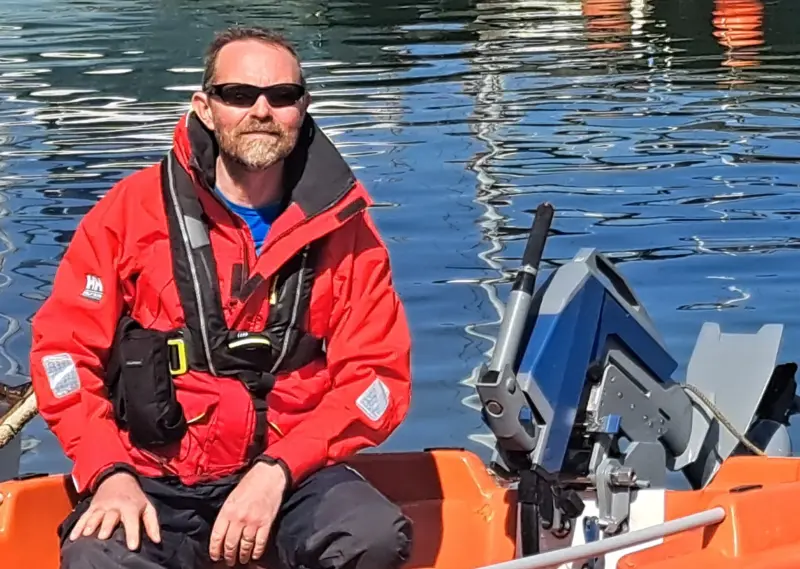
Paul Simavari is studying for his doctorate at the University of Newcastle and was short-listed for the award, which was given out at Seawork last week. He has agreed to share his academic journey with MJ over the next few months. Here is Part One.
The hidden challenges of vessel decarbonisation in inland waterways
At this year’s Seawork show, the conversation around vessel decarbonisation in the inland waterways and short sea shipping was more intense than ever. But while there’s no shortage of new electric propulsion systems or alternative fuels on display, there’s still a big fat elephant sitting in the boatyard: how do we actually provide the energy for all these zero-emission vessels at scale?
My current research focuses on that very question. While propulsion and power management systems get most of the attention, I’ve taken a step back to ask a more fundamental one: what are the actual energy demands of inland waterway vessels? And are we any closer to being able to support them with the infrastructure we’ve got?
This isn’t about swapping a diesel engine for an electric motor and ticking the zero-emissions box. This is about understanding real-world vessel operations: the stop-start nature of commercial traffic, the seasonal and regional energy peaks, the charging challenges for vessels that don’t sit neatly in harbours overnight. It’s a complex challenge and someone needs to tackle it.
To help get to grips with it, I’m building a data-driven picture of how energy is consumed along inland waterways. That means looking not just at vessel types and engine specs, but at behaviour: route patterns, mooring practices, layovers, cargo profiles, and even climate conditions, as well as understanding the choices of energy from a diverse range of energy options in play – from ammonia to lithium-ion batteries. The goal is to model energy demand in a way that reflects reality, not theory.
Why does that matter? Because if we don’t know what energy is needed, where and when, it becomes impossible to design infrastructure that can meet the demand. Right now, shore-based charging solutions are being discussed as a panacea, but they’re only practical in a limited number of locations. For many inland vessel operations, returning to a fixed shore point to recharge just doesn’t align with their operational profile.
Simulation and modelling
Part of my work will be to simulate different vessel operations and overlay them with energy delivery models. What happens if we rely solely on fixed infrastructure? What if we introduce dynamic charging — barges, drones, or other rendezvous-style delivery methods? How would the network hold up under a sudden increase in electrified vessels? Or how would it cope with a mix of three or four different energy types?
This is where the work gets exciting, and a bit messy. Because the answers challenge a lot of assumptions. For example, placing charging stations only at ports or transit hubs might sound logical, but the early data suggest a need for a wider distribution of energy delivery points. Or it shows that battery-swapping models, while logistically complex, could drastically reduce downtime and grid pressure in certain segments.
There’s a wide range of needs and solutions, but we too often look at them in isolation.
Of course, any future system solution is dependent on having good data, and that’s its own challenge. Much of the operational insight we need sits in logbooks, onboard systems or just in the heads of operators. That’s why I’m building a ‘vessel data portal’ to encourage collaboration with industry. The more we understand actual use patterns, the more intelligent our energy delivery models become, and the more realistic the decarbonisation roadmap looks, giving operators with a clear, achievable route to zero-emissions.
Joining the dots
One of the things I’ve noticed in the early stages of my PhD is just how fragmented the energy conversation still is.
Vessel manufacturers, port authorities, energy suppliers, policy makers – they’re often tackling the same problem from completely different angles. And while that’s understandable, it also leads to blind spots and increased complexity, which can breed scepticism and stall progress, drawing the issue out even further.
What I’m trying to do with this research is connect the dots: not build a one-size-fits-all solution, but create a tool kit, something that helps stakeholders test scenarios, see where bottlenecks will form, and explore new ways of delivering energy that don’t rely entirely on fixed assets.
Because the truth is, decarbonising the inland fleet will take more than just new vessels and fancy new propulsion systems. It’s going to take systems thinking. It means understanding how things move, where energy lives, and how we can make both of those things more flexible.
My research is very much still in its early days, but the recognition I received from the Future Seawork Award nomination is helping to start discussions and shine a light on this work, and that’s a real boost. It’s validation that while the world gets excited about the tech on board, someone needs to be thinking about all the wires, batteries and hydrogen bottles off the boat too.
This is what my PhD is about. Not the fantasy version of future shipping, but the gritty, practical reality of how we get there. And I’m excited to take readers along for the ride.