


Rijeka commits €11.5m to shore power as race to meet 2030 heats up

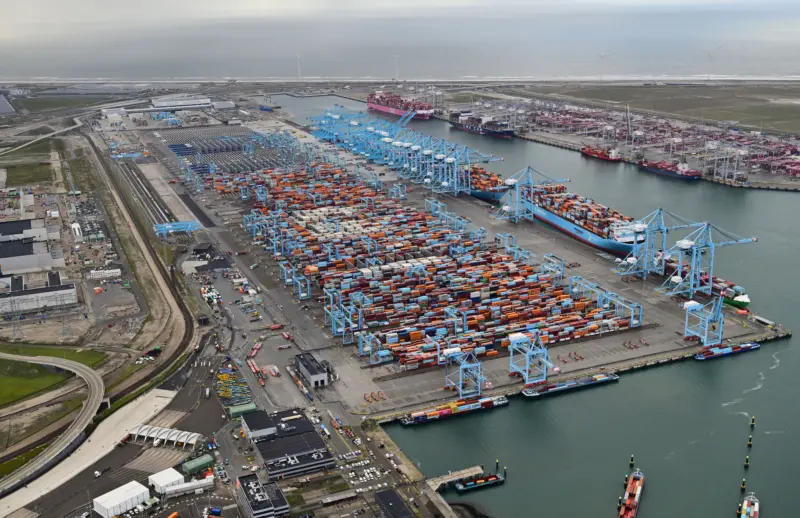
The Port of Rijeka Authority in Croatia will sign an €11.5 million contract with Croatian engineering company KONČAR to install shore power at the Jadranska vrata (AGCT) and Rijeka Gateway container terminals.
The contract will be signed by Port Authority director Denis Vukorepa and KONČAR CEO Gordan Kolak, with deputy prime minister and Transport minister Oleg Butković attending the ceremony.
Co-financed by the EU through the Connecting Europe Facility (CEF), the project will allow container ships to connect to the onshore electricity grid while alongside.
European ports must act quickly to meet EU regulations that vessels must be able to use shore pore by 2030.
Under the Alternative Fuels Infrastructure Regulation (AFIR) and FuelEU Maritime rules, qualifying container and passenger ships will be required to connect to shore power or use alternative zero-emission technology while alongside at covered ports from 1 January 2030.
According to the European Commission’s latest figures, published in October 2026, only around 13% of the estimated OPS connections needed to serve relevant vessel calls in 2030 were operational at the end of 2025. An estimated €3.2 billion more is needed for shore-power connections alone, excluding electricity grid reinforcement.
Deployment is progressing unevenly across Europe, with major container, cruise and passenger ports investing in high-voltage connections, substations and frequency-conversion equipment. Recent projects include developments at Rijeka, Barcelona, Hamburg and other major European ports.
Ports must also secure sufficient grid capacity, while shipping companies need to equip vessels with compatible shore-power connections.