![MaritimeJournal[Seawork]](https://www.maritimejournal.com/wp-content/uploads/2026/09/MaritimeJournalSeawork.svg)



IMCA warns of neglected metal structures after fall into moonpool
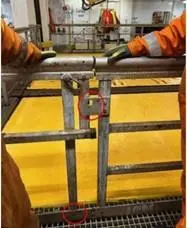
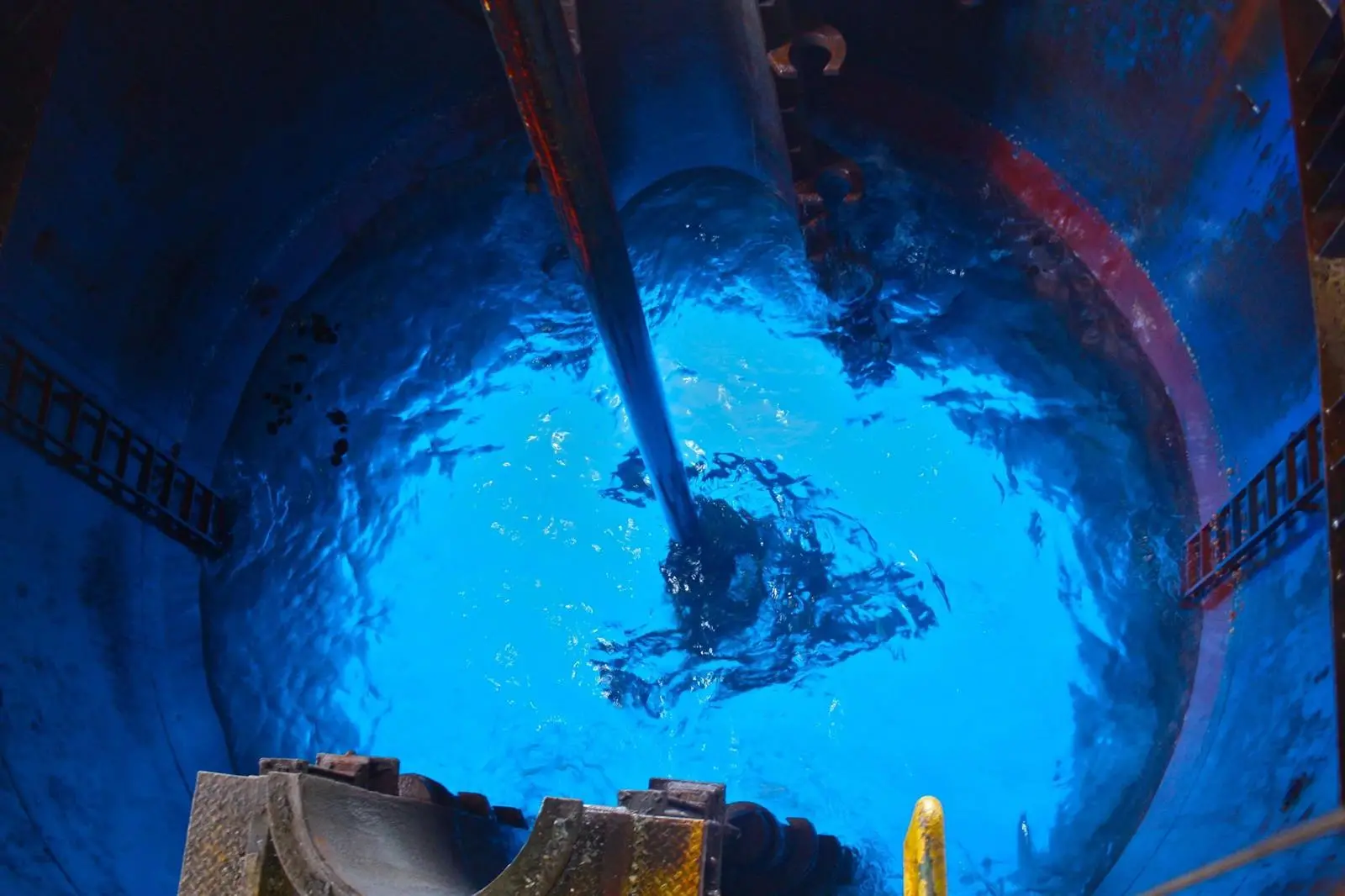
A member of crew fell into a moonpool when the safety railing he leaned against gave way, the International Marine Contractors Association (IMCA) has warned.
With a huge stroke of luck – or instinct – the crew member grabbed a guidewire as he fell, holding on dangling above the waves until he was rescued by his crew mates. He dislocated his shoulder, but was otherwise unharmed.
“Co-workers intervened immediately, raised a man overboard alarm, and using a boathook pulled the crew member to safety,” IMCA said. “The crew member was recovered within 52 seconds of the initial fall. He sustained a dislocated shoulder and was transported to hospital for treatment.”
The cause of the problem was the removable railing and gate system, which had not been included in the structural inspection or maintenance programmes, said IMCA. It meant that their deterioration had not been noticed over an extended period, despite the fact that the railing was a primary safety barrier.
“Previous observations from crew members about railing condition had been reported but were closed without appropriate actions because the reporting and follow-up process did not ensure that the concerns were properly captured, understood or escalated,” IMCA’s assessment said.
“It is to be emphasised that the person involved was performing their work correctly and that the root causes were systemic, related to design inspection, communication and structural integrity management.”
Lessons to learn
- Structural barriers (railings, gates, removable posts, gratings, hatches) should be treated as structural safety-critical elements and included in formal inspections and preventive maintenance systems.
- Assess compatibility of materials – be particularly careful with dissimilar metals in the marine environment.
- Ensure there is clearly understood “ownership” and responsibility for maintenance of structural integrity.
- Ensure hazard reports have verifiable, actionable, documented follow‑up.
- Removable barriers should have secondary locking mechanisms and should be positively secured prior to use.
- Pre-task risk assessments should take into account the possibility of barriers failing, and include checks of physical protection measures.
- When things DO go wrong and barriers DO fail, there’s no substitute for the team being prepared: Emergency preparedness and teamwork can significantly reduce the severity of an incident.