![MaritimeJournal[Seawork]](https://www.maritimejournal.com/wp-content/uploads/2026/09/MaritimeJournalSeawork.svg)






MCA warns of dangers of sleeping on ‘dead ships’
Sleeping on board ‘dead ships’ can have fatal consequences, the Maritime Coastguard Agency (MCA) has warned, setting out detailed guidance in the wake of a number of incidents.
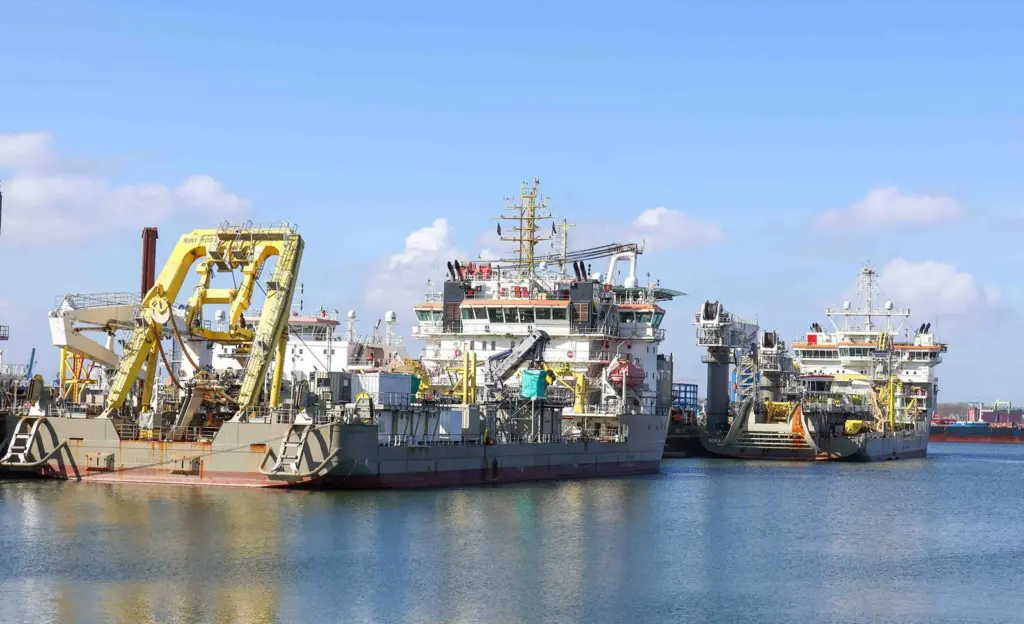
The guidance warns shipowners, masters, and crews about the risks of crew sleeping aboard vessels berthed in port without proper precautions – especially when these vessels are inoperative or shut down, known as ‘dead ships’.
Prompted by incidents where crew members have actually died, the Marine Guidance Note MGN 425 (M+F) guidance is primarily aimed at fishing vessels over 24m and under 500 gross tons, though its recommendations apply broadly to all vessels docked in port and using alternative manning arrangements.
Sometimes the port authority or owner have not known any crew were onboard.
The MCA is particularly concerned that onboard safety systems designed for use at sea often prove inadequate when the vessel is powered down. There have been incidents involving fire, flooding, and hazardous atmospheres during cold lay-ups – when ships are idle with minimal systems running and limited crew on board.
Some vessels have been used as temporary accommodation without suitable safety measures, increasing the risk.
MGN 425 sets out minimum acceptable standards for vessels not typically equipped for overnight accommodation, such as fishing vessels, ferries and dredgers.
Different routines
At sea, crews operate within familiar routines, are aware of daily risks and are trained for emergencies. But when vessels are in port – especially during lay-up – the routine changes. Larger fishing vessels, for example, often rely on retired crew members as caretakers to handle basic maintenance and security between trips.
Vessels may be in various states of lay-up. In cold lay-up, most systems are shut down and only essential staff remain. In warm lay-up, equipment such as generators and HVAC systems are kept running, allowing for quicker reactivation.
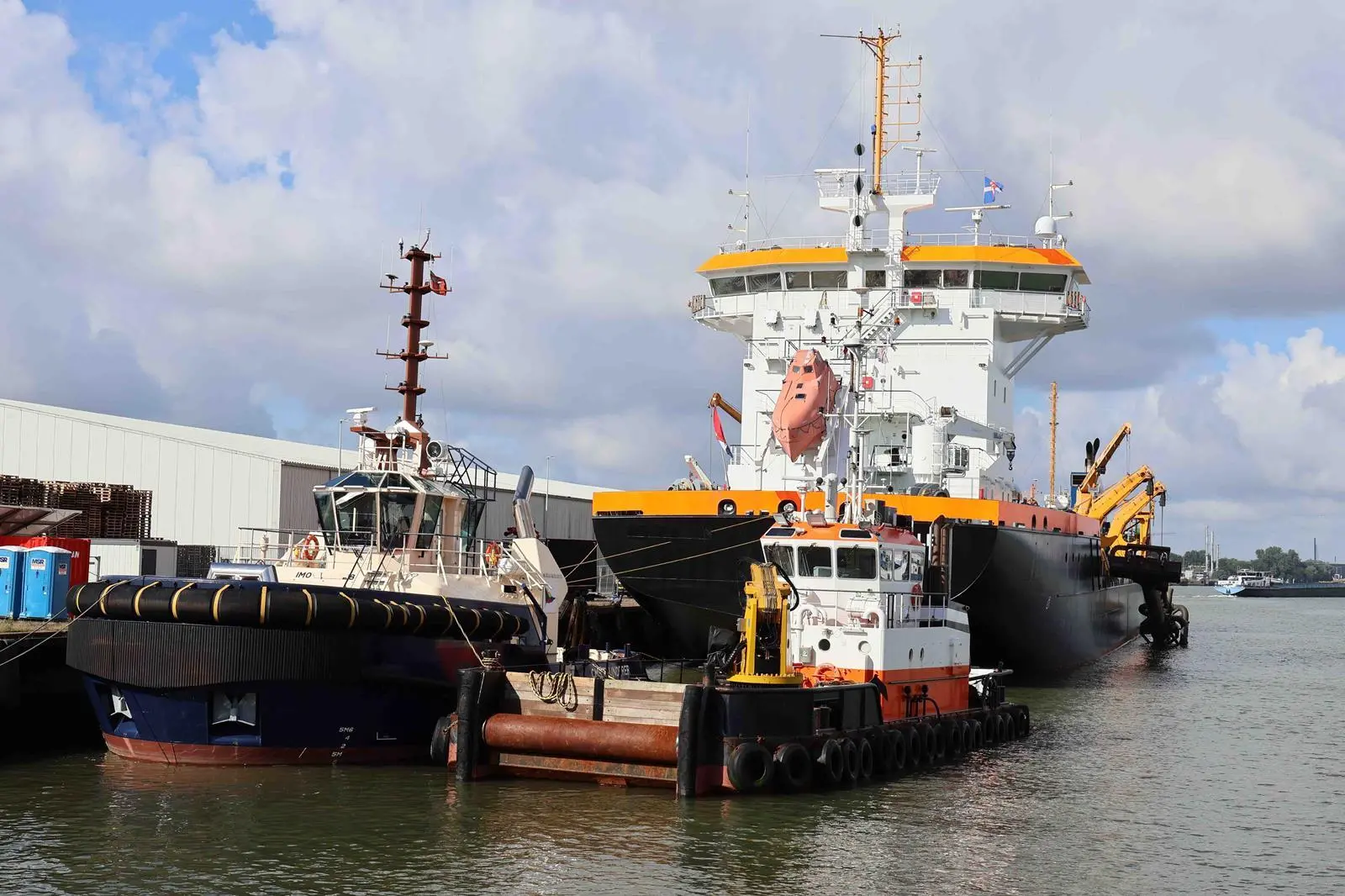
By contrast, shipyards and drydocks typically have established safety routines and sometimes retain some of the vessel’s crew to support ongoing work.
The guidance primarily targets vessels where these formal arrangements are absent, yet people are sleeping on board.
Risk assessments
MGN 425 outlines key risks that must be assessed before allowing crew to sleep aboard docked vessels: secure mooring; fire and flooding, noxious atmospheres; alarm systems; rerouted power; portable electrical equipment; medical casualties; stability; actions of nearby vessels; emergency contacts; pollution; and extreme weather.
Larger ships typically have night-duty personnel to monitor such risks. On smaller vessels, this may not be feasible, so owners or masters must conduct structured risk assessments and issue guidance for anyone sleeping onboard a shut-down vessel.
Basic safety systems such as fire, smoke, and bilge alarms must have at least two independent power sources and be audible in sleeping areas. Alarms for gas detection are strongly recommended, along with external activation points.
An alternative escape route if a fire blocks the primary one is recommended, along with ensuring all doors and hatches can be opened from the inside. Fire doors should also be either self-closing or kept closed and not wedged open.
The section on fire precautions in MGN 425 is extensive, in particular where temporary live-aboard crews bring their own appliances which may not be compatible.
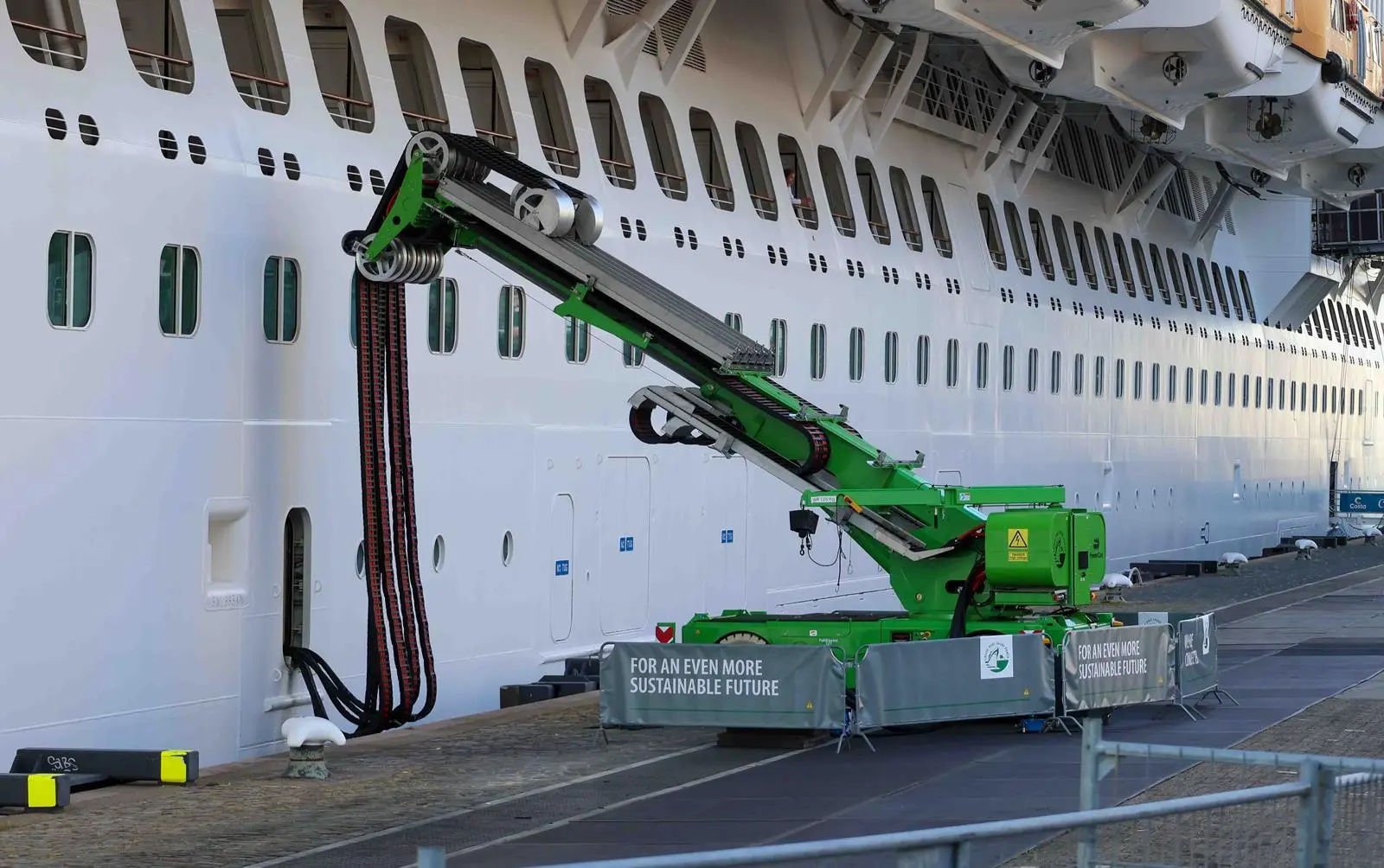
If shore power is used, especially during cold ironing at berths, the reliability of that power must be ensured. Fire pumps, detection systems, lighting, ventilation, and domestic services must all remain operational.
The guidance also questions whether crews sleeping onboard will notice a power failure and whether they can switch to onboard systems if needed. Maintaining communication with the harbour authority is vital.
Some crew members have even cooked with portable gas stoves in cabins, an obvious danger. Open flames, LPG, and diesel heaters should be avoided.
Carbon monoxide detectors and proper ventilation are critical. Crew should not block ventilation systems, intentionally or not. Additionally, all portable electrical equipment – from radios and TVs to toasters and chargers – must use the correct wiring and fuses. These details are often overlooked when crews are not part of the vessel’s regular complement.
Conclusion
Summarising, in highlighting this area of what could be considered a day-to-day part of a vessel’s activities, the MCA will be able to draw on the findings of Marine Accident Investigation Branch investigations. It is perhaps an example of where old-fashioned attitudes and habits have fallen behind advances in technology and safety awareness.