![MaritimeJournal[Seawork]](https://www.maritimejournal.com/wp-content/uploads/2026/09/MaritimeJournalSeawork.svg)



Seven deaths, 1 billion hours: IMCA safety report demands closer look
A new safety report from the offshore and marine contracting industry paints a mixed picture of real progress in some areas, but a rise in fatalities that’s causing genuine concern.
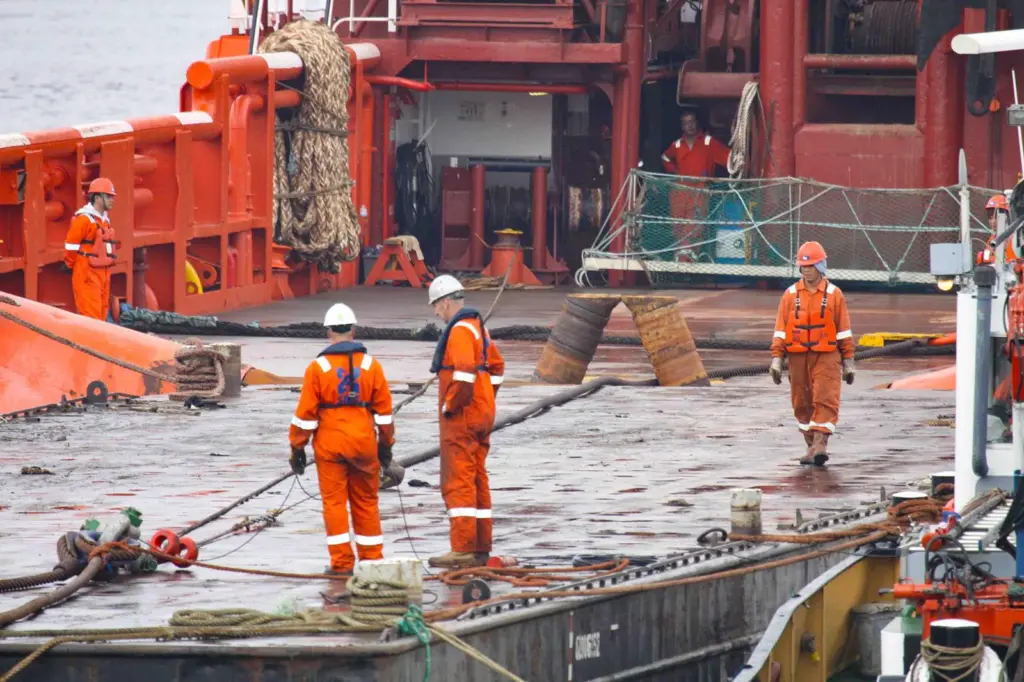
The International Marine Contractors Association’s (IMCA) Safety Statistics Report 2025 looks into how safety culture has evolved over the decades, and also where it still falls short.
The figure of seven fatalities in 2025, four of which were offshore (compared with three in 2024), is described as a ‘serious concern’ by IMCA, but before considering the statistics, the development of the safety at work culture generally over previous decades has to be considered.
Workplaces, be they offices, industrial premises or within the marine environment, often adopted the ‘accident book’ process where injuries were recorded physically along with basic information in a book to be signed off by superiors. The contents were supposed to be examined and any lessons learned.
The accident book was often considered more of a legal requirement than a route to enhance safety and for those charged with examining the contents, the task could be in addition to their day-to-day workload, with only larger companies and organisations having personnel whose sole responsibility was safety.
Changing times
Safety culture today has changed significantly. Digital equivalents to the old accident book make the gathering and analysing of vast amounts of information and sharing with a wider audience possible. Where accidents were recorded after they had happened, workers are now encouraged to report near-misses as simple as a slip with no actual injury, and seafarers finding themselves standing unexpectedly (and unplanned) beneath a suspended load on the deck of a ship in a seaway.
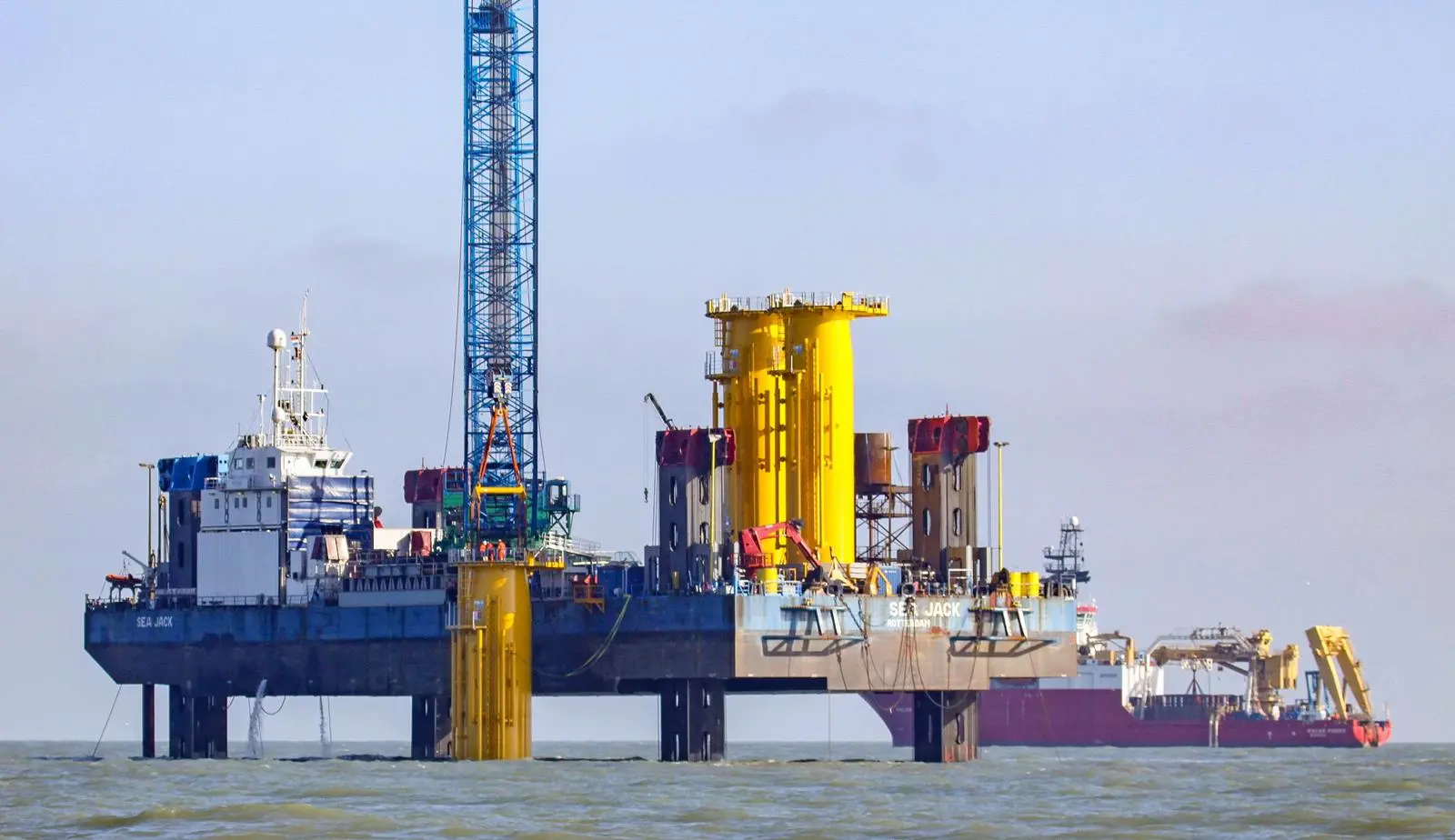
Where resources allow, larger vessels will often have a dedicated safety officer, whose duties include monitoring workers and their environment. This happens in the aviation industry, where airport safety patrols pick up basic issues, even workers not having their hi-vis PPE buttoned up.
Convincing employees of the importance of a safe working environment starts with their own action. This is evident onshore where, in industrialised zones such as refineries, container terminals and petrochemical plants, arriving workers (and passing traffic) will be greeted by illuminated digital displays that might show the number of days since the last Lost Time Injury (LTI).
Positive data here is also of commercial value where a poor safety record may have implications for a company’s customers.
Offshore
There are differences between onshore and offshore activities beyond the obvious actual environment. When a jack-up mobile offshore drilling unit (MODU) is on the move, for instance, under tow it is considered a mobile marine unit that must comply with the usual maritime regulations, typically with a tug master in command.
Once on site and supported by its legs on the seabed it is considered an offshore installation vessel with an Offshore Installation Manager assuming responsibility. Depending on the jurisdiction, rules and regulations may then change and can even overlap. In the UK North Sea, the safety regime generally comes under the Health and Safety Executive alongside the Maritime and Coastguard Agency.
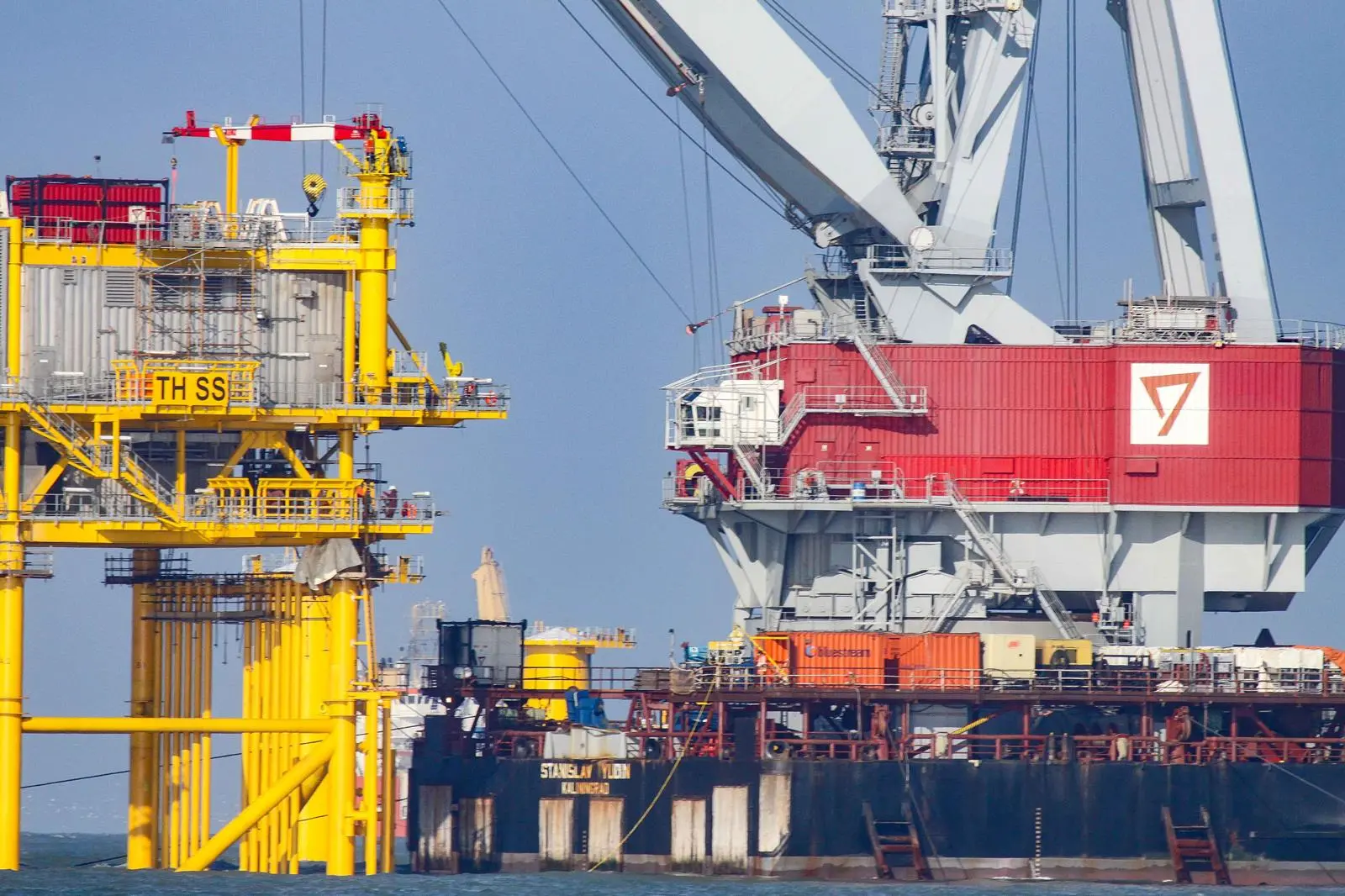
IMCA has 850 member companies in 65 countries and the report lists the 167 who submitted safety data, comprising a mix of shore-based and offshore marine-related contractors. These include shipowners in their own right, who will be familiar with regulations covering the marine safety elements of their activities.
Operations at a (fixed) offshore installation of course demand strict attention to safety, but different dynamics are at play when for instance crews are working on the rolling afterdeck of an AHTS or PSV, handling anchors or loading and unloading containers craned onto a moving platform from a fixed one.
Data
The Safety Statistics Report 2025 reveals that reported Lost Time Injury frequency and total recordable injury rates improved in 2025, while remembering that lower injury rates do not automatically mean the risks of life-changing harm are under control. The data will support a sharper focus on serious injury and fatality prevention, line of fire risk, and high consequence hazards across the sector.
The broad category of ‘line of fire’ remained the most common cause of LTIs in 2025, with 41% stated as the main cause within LTIs (52% in 2024).
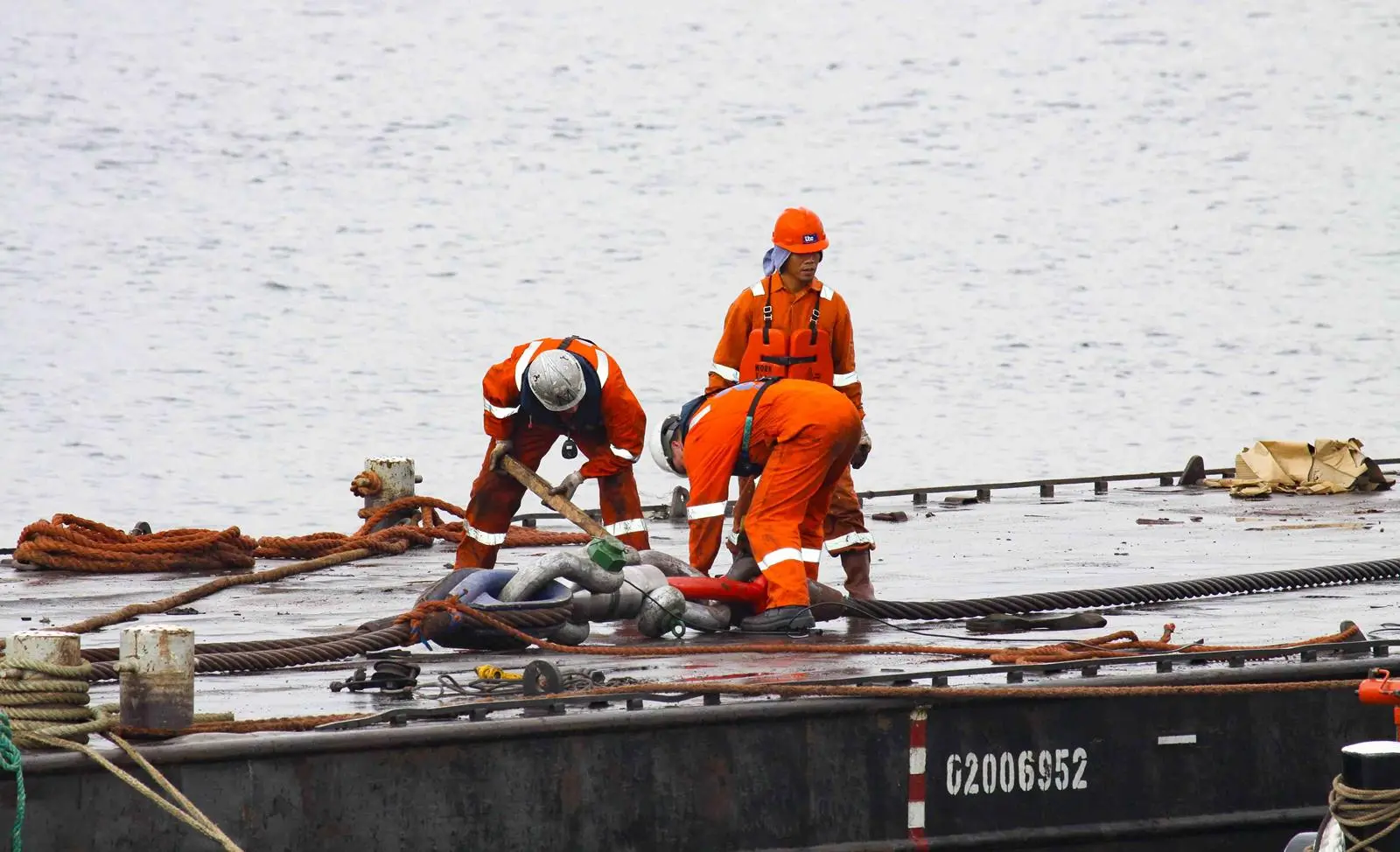
While showing a decrease compared with the previous year and the high percentage rate compared to other LTI type, the subject of line of fire incidents includes lifting and rigging; mooring and snap-back zones; moving equipment; suspended loads; stored energy; pressure release; simultaneous operations; hand and finger exposures; and people placing themselves in the path of harmful energy.
While perhaps not intended literally as such, the term ‘line of fire’ describes eloquently the situation where today, automation and remote operations are increasingly able to remove humans from potentially dangerous and risky processes. There will always be occasions when people have to be literally in the line of fire manually carrying out tasks – the robot that can tie a bowline in a mooring line before passing it to someone ashore has perhaps yet to be invented.
Allowing people at all levels to make safety observation reports is important: if no one reports a potential hazard or near-miss, such risks could be considered to not exist. The safety observation rate has climbed healthily since 2005 but after reaching almost 250,000 in 2024 it dipped to just below 200,000 in 2025.
IMCA suggests there may have simply been fewer safety observations carried out or changes in the companies submitting data, or it may reflect changes in internal reporting systems or other associated reasons. While not drawing firm conclusions until further review of the data, IMCA considers the change to be large enough to be treated as a signal.
Company banding
Member companies are banded according to the number of hours they report, ranging from >10 million hours worked in Band A to <1 million hours worked in Band D.
While smaller companies generally report higher Lost Time Injury Frequency Rates (LTIFR) and Total Recordable Injury Rates (TRIR), this does not mean they are necessarily less safe. The pattern does however reinforce the view that guidance, learning and safety communications need to be practical and accessible for all members: a report that only works for large companies will not serve the whole membership.
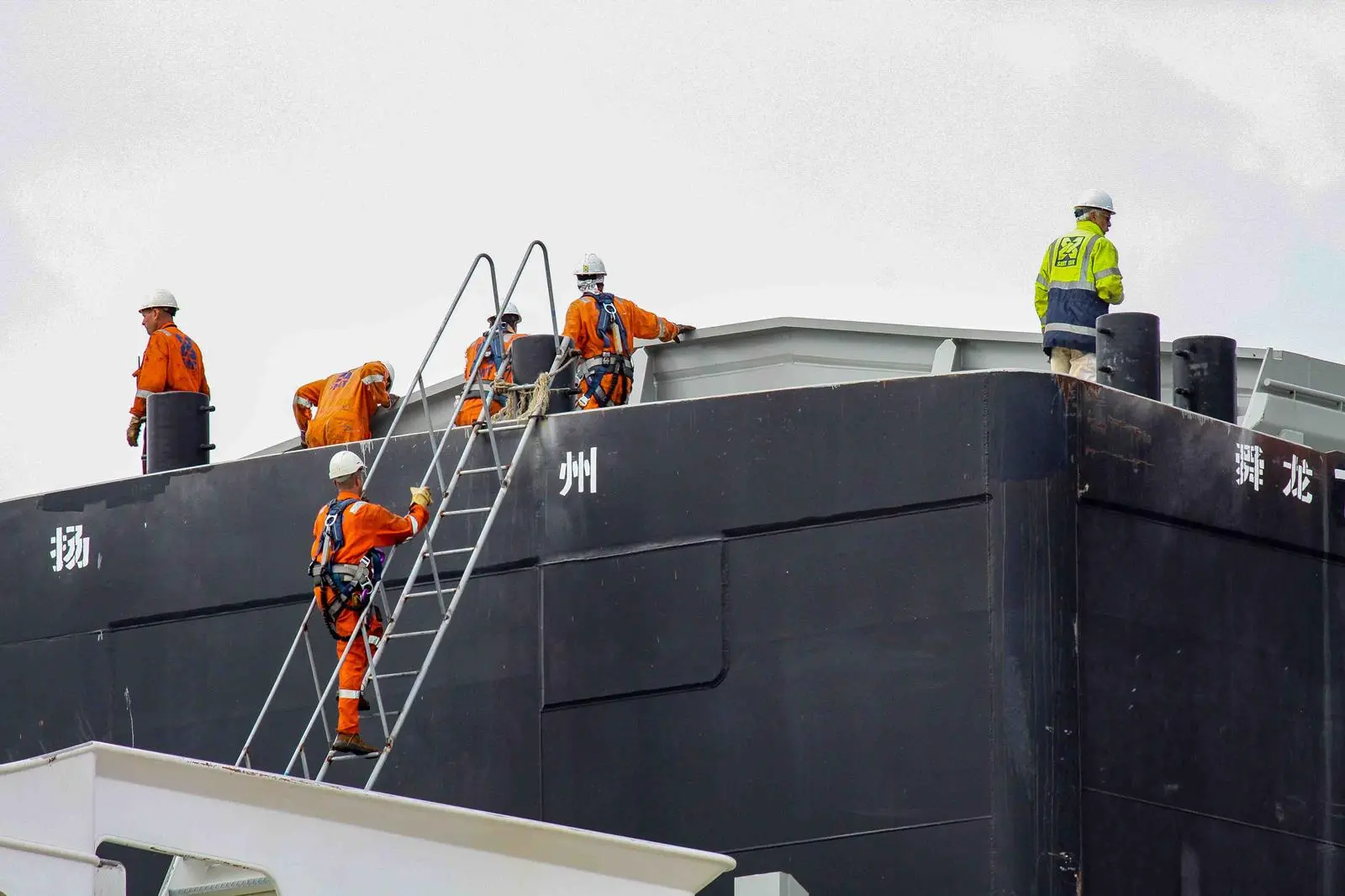
The report includes an extensive list of questions those within companies may wish to ask to support discussion and action including: senior leaders; HSE leaders; project and vessel teams and for clients and contractors working together. The list may seem obvious but are important and of value given the huge about of data being collected and subsequent conclusions drawn, remembering it is based on 1.02 billion hours worked.
The report closes noting progress with the safety data but reminds the industry that it must keep its focus. While lower injury rates are welcome, the seven fatalities should not be treated as ‘background noise’. IMCA’s next step is to ‘use the data well’ by asking harder questions, focusing on the risks that can kill or permanently harm people.
Its desire to help members learn from each other in a way that is practical and useable is also an important consideration. The more data that is collected, however trivial it may seem, the more potential risks that otherwise go unnoticed but on a bad day can lead to serious injury or worse can be avoided.
In essence, workers on the frontline can be the eyes and ears of those formulating safety policy, and the report concludes: ‘The goal remains clear. Everyone working in our sector should go home safe and well.’