![MaritimeJournal[Seawork]](https://www.maritimejournal.com/wp-content/uploads/2026/09/MaritimeJournalSeawork.svg)





Rix proposal could enable H2 generation at sea
Shipbuilders are under increasing pressure to adopt greener technologies, with a mandate to reduce carbon emissions by at least 50% by 2050.
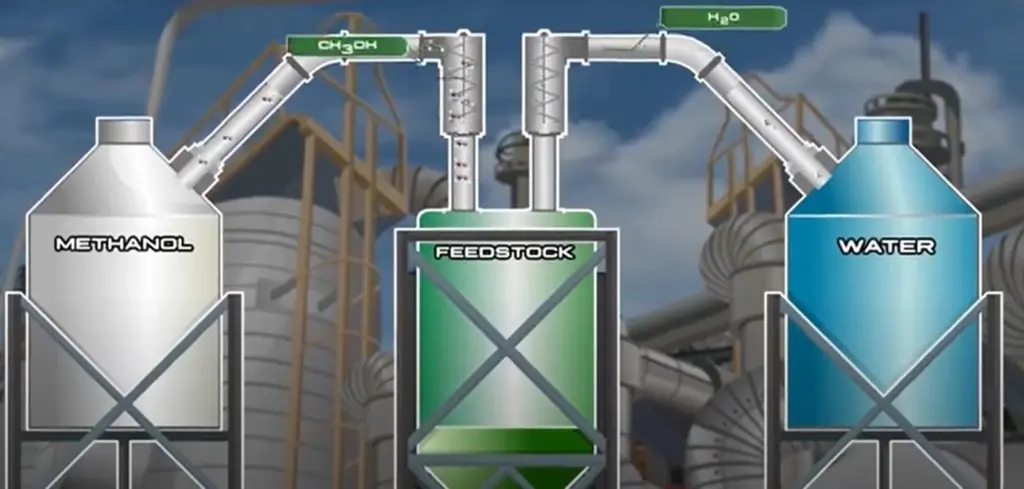
One US company, Rix Industries, proposes producing hydrogen from methanol and de-ionized water as a solution for hydrogen generation at sea.
This method, known as hydrogen-on-demand, could revolutionise the maritime industry by eliminating the complexities associated with compressed cryogenic liquid hydrogen.
RIX M2H2 generation system
Liquid hydrogen storage offers significant benefits over gaseous options.
The density of a saturated liquid hydrogen molecule at 1 bar (14.5 psi) is 70 kg/m³, providing higher storage efficiency.
Traditional hydrogen liquefaction facilities, however, are energy intensive, consuming 8-10 kWhel/kg of hydrogen produced.
This high energy demand results in more than 30% of the hydrogen’s energy content being used in the liquefaction process.
Rix Industries has developed an M2H2 generation system, which it touts as the most efficient hydrogen generation method using methanol for marine and mobile applications.
The methanol-water reforming process used by this system releases three moles of hydrogen per mole of methanol, thanks to the inclusion of water in the reaction. The process requires approximately 7.15kg of a methanol-water mixture to produce 1kg of hydrogen.
The system also offers significant cost savings.
With methanol priced at around $500 per metric ton at the time of writing, the RIX M2H2 system can generate 1kg of hydrogen for just $3.58, according to a Rix white paper, considerably cheaper than conventional gaseous and liquid hydrogen systems.
Safety and efficiency
One of the key benefits of the RIX M2H2 system is its inherent safety.
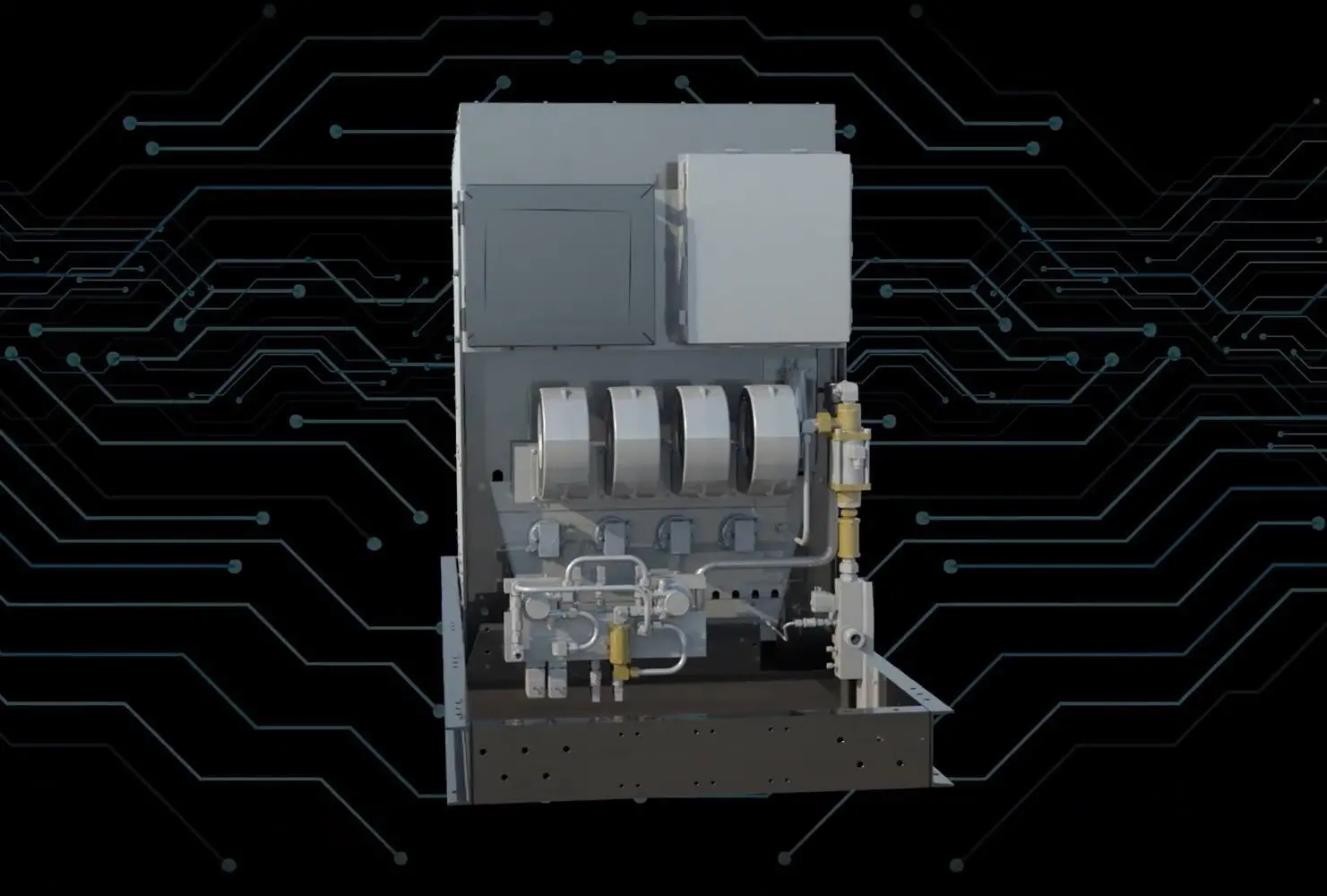
Hydrogen is stored at low pressure in a buffer tank, ready for quick and easy dispensing to the fuel cell, which operates at low inlet pressures. The system’s control scheme regulates reactor temperature and buffer tank pressure, monitoring other parameters for maintenance and fault diagnostics.
The small buffer tank ensures hydrogen is stored in minimal volumes and at low pressure, enhancing safety.
Under normal operation, the RIX M2H2 system can power a 150kW fuel cell with an approximately 150-gallon buffer tank at two to three bar pressure, containing only 0.23kg of hydrogen.
This is equivalent to about a quarter of a gallon of gasoline in terms of energy content. The system produces approximately 1800 SLPM, or 10kg of hydrogen per hour, with a fuel use rate of 0.9 litres per kWh of energy produced in the fuel cell.
The overall reformer efficiency is about 82% under steady-state conditions, says Rix. Fuel for the system can be stored in standard single or double-walled Intermediate Bulk Container (IBC) totes.
Establishing a hydrogen economy
The global production of methanol is expected to more than double, from 148 million metric tonnes in 2019 to more than 310 million by 2030.
While most methanol is currently derived from fossil fuels, there is a growing capacity to produce it from renewable sources.
Renewable methanol can be made from sustainable feedstocks such as municipal solid waste, biomass, biogas from digesters, carbon dioxide captured from industrial processes, and even direct air capture of carbon dioxide.
Renewable methanol is now commercially available, and several new production plants are under construction.
Currently, there are about eight renewable methanol plants in operation worldwide, with at least 20 more expected to come online within the next five to 10 years.
Rix Industries argues that the shift towards decarbonization with methanol is already under way, making hydrogen storage and production from methanol the most cost-effective path to establishing a hydrogen economy.
Rix Industries’ approach to hydrogen generation using methanol and de-ionized water could offer a viable and efficient solution for the maritime industry’s shift towards greener technologies.
By leveraging the advantages of liquid storage and the innovative M2H2 generation system, Rix provides a method that is not only cost effective but also safe and adaptable to existing shipboard infrastructures.
The technology positions Rix at the forefront of efforts to reduce carbon emissions and establish a sustainable hydrogen economy.
Seawork stand: SMh