![MaritimeJournal[Seawork]](https://www.maritimejournal.com/wp-content/uploads/2026/09/MaritimeJournalSeawork.svg)

Portsmouth leads subsea protection
The UK’s University of Portsmouth will spearhead a major project to design a cutting-edge surveillance system to reduce damage and disruption to undersea infrastructure, thanks to a grant of £772,372 from the Lloyd’s Register Foundation.
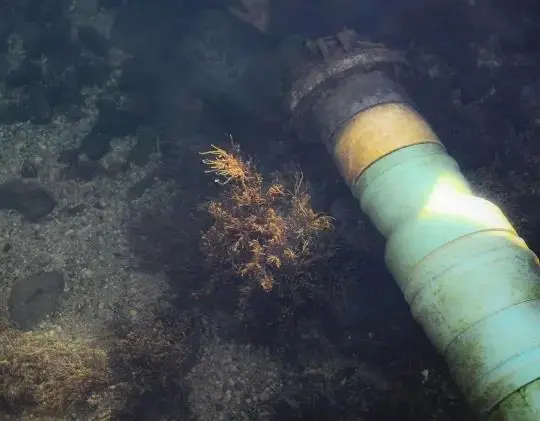
A team from the University’s School of Mathematics and Physics, led by Professor Dylan Jones, will develop a safety management system to detect risks, enable rapid repairs and minimise service interruptions caused by damage to power and communications cables and pipes.
“This is a matter of growing concern worldwide,” said Professor Jones. “Loss of an energy supply or internet, for example, can interrupt services we rely on daily, with serious societal and economic consequences. In extreme cases, it could even threaten lives if healthcare services are affected.”
The project will focus on Brazil and the Philippines, where undersea infrastructure faces unique challenges. In Brazil, the emerging offshore wind industry must contend with shallow waters, existing oil and gas pipelines, environmental protection, and limited supporting infrastructure and trained personnel.
Meanwhile, the Philippines’ archipelagic geography exposes it to typhoons, earthquakes, and tsunamis, increasing the frequency and severity of incidents.
The project will include two detailed case studies to improve awareness and develop targeted training programmes for ship operators, port authorities, oil and gas companies, environmental agencies and policymakers.
Cables are not only vulnerable to environmental conditions; they can be at risk from sabotage too. Earlier this year, countries rallied to demand more support when a fourth cable was damaged in the Baltic Sea and the European Union has pledged a raft of measures to protect subsea cables.
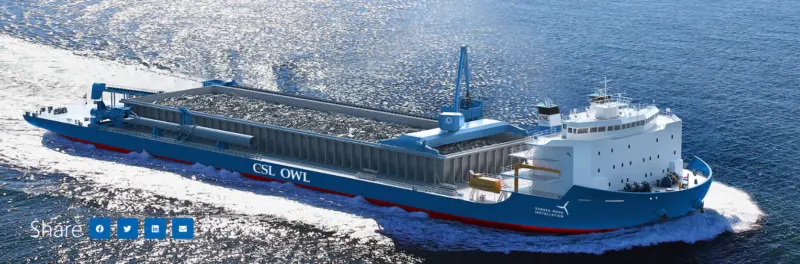
Firms are also joining the battle with Jan De Nul building a state-of-the-art vessel to help safeguard vital links.
Related Articles
 OTHER NEWS
 MARINE CIVILS
 MARINE CIVILS