![MaritimeJournal[Seawork]](https://www.maritimejournal.com/wp-content/uploads/2026/09/MaritimeJournalSeawork.svg)






UK spearheads subsea cable damage penalties
The UK government will impose tougher penalties on shipowners and operators who intentionally or recklessly damage subsea cables amid mounting concern across Europe over the vulnerability of underwater infrastructure.

The proposals, announced by UK Telecoms Minister Liz Lloyd during a speech at the Royal United Services Institute (RUSI) last week, would replace legislation dating back to the Victorian era.
The move follows a series of high-profile cable disruptions in the Baltic Sea and wider concern over suspected ‘grey zone’ activity linked to Russia, prompting governments and defence organisations to reassess how vulnerable subsea infrastructure is monitored and protected.
Undersea cables carry around 99% of international data traffic, supporting everything from banking transactions to military communications and cloud computing. Yet much of the legal framework governing them is rooted in the Submarine Telegraph Act of 1885, introduced when cable networks consisted of copper telegraph lines rather than fibre-optic systems carrying vast quantities of digital information.
Speaking at RUSI, Lloyd described subsea infrastructure as “the invisible backbone of our digital economy”, arguing that the risks facing cable networks have changed dramatically.
“We are facing a more complex and contested world,” she said. “Critical infrastructure that was once assumed to be secure can no longer be taken for granted.”
While cable faults are not uncommon and are often accidental, recent incidents have heightened political sensitivity. Several European investigations have centred on vessels suspected of dragging anchors or operating unusually near cable routes, blurring the line between poor seamanship, negligence and deliberate sabotage.
Updating a Victorian legal framework
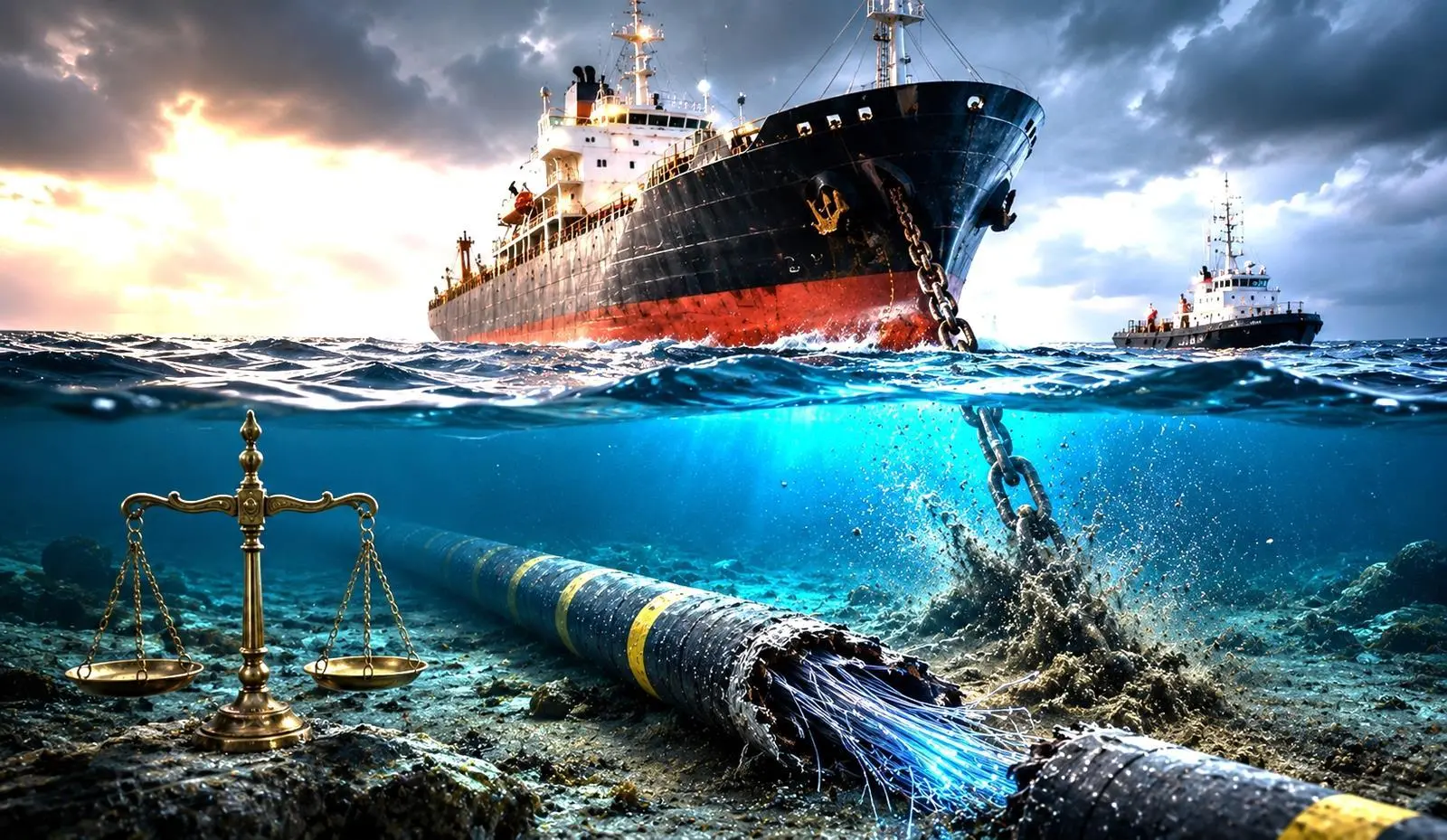
Central to the UK’s proposals is a plan to modernise the legal tools available to authorities responding to cable incidents.
Lloyd said the government intends to consult on replacing outdated legislation that dates back nearly 140 years with a framework better suited to modern maritime realities and emerging security threats.
“We will make the law clearer, tougher, and much harder to evade,” she said. “Sending a clear message that if you act recklessly, or if you deliberately target our cables, there will be serious consequences.”
The proposed legislation would target not only intentional acts of sabotage but also reckless behaviour by vessel owners and operators. Although ministers have not yet detailed precisely how penalties would be structured, the language marks a notable shift in emphasis, broadening accountability beyond malicious intent alone.
Cable strikes have historically been associated with fishing gear, anchoring incidents and construction activity, but regulators appear increasingly willing to punish preventable incidents.
The government has framed the reforms as part of a broader deterrence strategy aimed at making hostile activity harder to conceal and easier to prosecute.
Lloyd argued that resilience could no longer depend solely on repairing damaged infrastructure after incidents occur.
“We cannot rely on resilience alone,” she said. “We must improve deterrence and strengthen protection.”
The minister also suggested that stronger legislation would complement increased monitoring and intelligence-sharing around subsea infrastructure, particularly in strategically sensitive waters.
Europe hardens its stance
The UK is not alone in reassessing underwater infrastructure security. Across northern Europe, governments have increasingly framed cable incidents as a matter of national security.
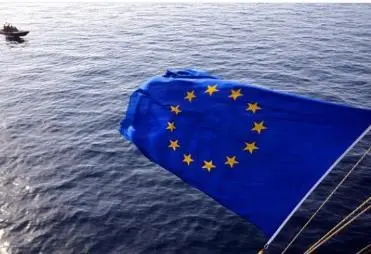
In the Baltic Sea, Finland has adopted an increasingly assertive enforcement stance following repeated damage to telecom and power cables. Finnish authorities have boarded and detained vessels suspected of dragging anchors across critical infrastructure, while investigations into several incidents have examined whether negligence or deliberate acts may have been involved.
Swedish and German officials have openly said that sabotage could not be ruled out when several cables were disrupted in 2024, affecting links between Finland and Germany and between Sweden and Lithuania.
Swedish and Finnish authorities issuing a joint statement expressing deep concern over threats to regional infrastructure.
The European Union has moved to strengthen resilience through coordination and surveillance rather than using criminal laws. Brussels has developed a Submarine Cable Security Action Plan focused on monitoring, resilience, repair capability and cooperation between member states following repeated Baltic incidents.
NATO has also increased attention on underwater infrastructure security, expanding maritime patrols and strengthening cooperation to monitor critical seabed assets.
The UK’s approach to directly target shipowners and operators through specific penalties is unprecedented, and while the precise detail of the proposed legislation remains unclear and will be subject to consultation, what was once treated largely as an operational hazard is increasingly being viewed through the lens of national resilience and security threats.
“The infrastructure that connects us also makes us vulnerable,” said Lloyd.
Related Articles
 OTHER NEWS
 MARINE CIVILS
 MARINE CIVILS