![MaritimeJournal[Seawork]](https://www.maritimejournal.com/wp-content/uploads/2026/09/MaritimeJournalSeawork.svg)



Hydrogen combustion reaches class milestone in shipping’s fuel race
Lloyd’s Register (LR) has issued what it describes as the world’s first Type Approval Certificate for a 100% hydrogen-fuelled, spark-ignited marine engine developed by the joint venture BeHydro.
The approval covers engines with power outputs ranging from 900kW to 2,670kW and follows testing done at Anglo Belgian Corporation’s (ABC) facilities in Ghent. BeHydro is a joint venture between ABC and CMB.TECH.
Unlike dual-fuel engines, the approved design operates entirely on hydrogen and does not require pilot fuel for ignition. LR said the certification demonstrates progress in the development of hydrogen internal combustion engines as a potential propulsion option for shipping.
“The issue of this Type Approval Certificate demonstrates that hydrogen-fuelled internal combustion engine technology is continuing to mature as a viable option for maritime applications,” said Claudene Sharp-Patel, LR’s global technical director.
“For shipowners and operators, independent certification is essential in building confidence that emerging fuel technologies can meet the industry’s expectations for safety, reliability and operational performance.”
The latest certification builds on an earlier milestone achieved in November 2023, when LR granted type approval to BeHydro for its hydrogen-powered dual-fuel engine.
Tim Berckmoes, chief executive of ABC Engines, said the approval was an important step in bringing hydrogen-fuelled engines to the commercial marine market.
“This LRS type approval of our BeHydro 100% hydrogen engines with zero emissions is a confirmation of the future proof technology that BeHydro can offer to innovative shipowners worldwide,” he said.
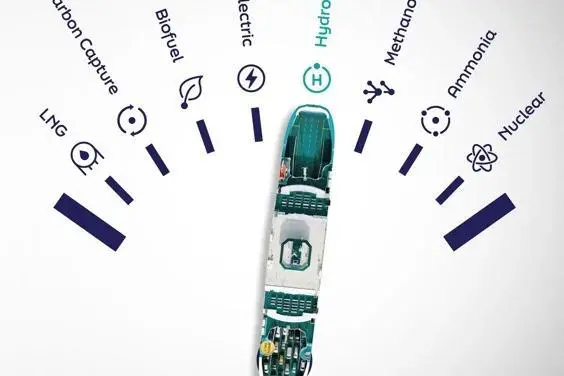
Hydrogen-fuelled internal combustion engines are being developed alongside fuel cells and other alternative propulsion technologies as the shipping industry seeks pathways to comply with upcoming regulations.
However, challenges remain, including the availability of hydrogen bunkering infrastructure, onboard storage requirements and the production of hydrogen at scale.
The LR approval represents a certification milestone for one approach to using hydrogen as a marine fuel, although widespread commercial deployment is still expected to depend on supporting fuel supply networks and vessel-specific operating requirements.
Competing options
While the certification gives BeHydro an early lead in pure hydrogen combustion, the company is entering a market where alternative-fuel engines based on methanol and ammonia are already attracting commercial orders.
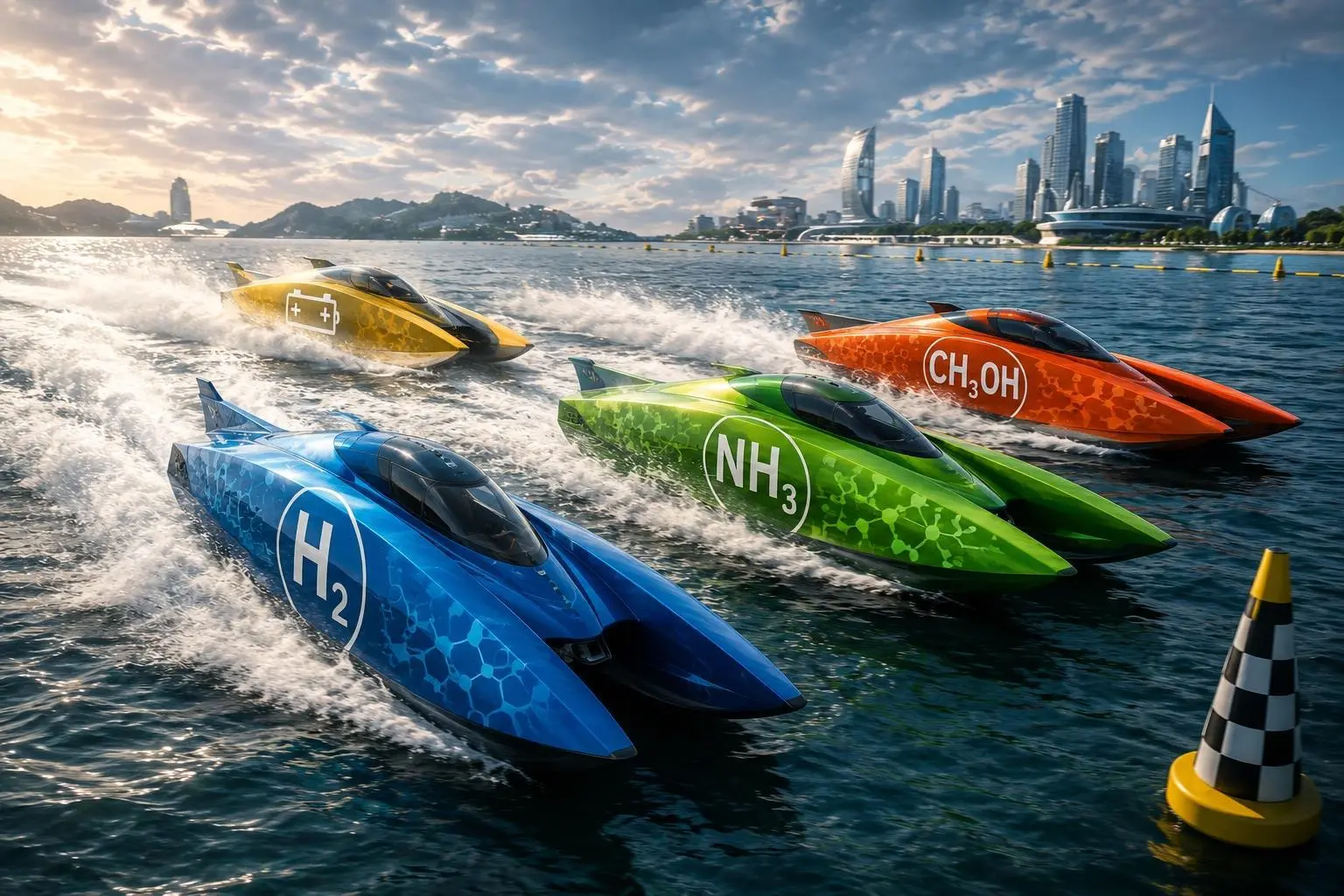
MAN Energy Solutions reported last year that it had secured orders for 95 methanol-fuelled engines for container vessels, with more than 25 already in service, while ammonia-fuelled two-stroke engines are expected to enter the market from 2026-27.
Other hydrogen combustion projects are also progressing, although they remain largely in the testing phase. Wärtsilä recently began validating its 100% hydrogen Wärtsilä 31H2 engine in Bermeo, Spain, where the unit has been connected to the national electricity grid.
The company is also participating in the EU-backed H4PERION programme, which aims to develop combustion concepts capable of operating on hydrogen and biomethane blends, with the longer-term goal of achieving up to 100% hydrogen operation for long-distance shipping applications.
Read features and insight into future fuels in our Special Report.
Related Articles
 OTHER NEWS
 ACCESSORIES & EQUIPMENT
 SPECIAL REPORTS