![MaritimeJournal[Seawork]](https://www.maritimejournal.com/wp-content/uploads/2026/09/MaritimeJournalSeawork.svg)






Marine batteries on cusp of mass adoption
AYK Energy’s winning DNV Class approval for its marine batteries sets the stage for mass adoption in the industry, says founder and CEO Chris Kruger.
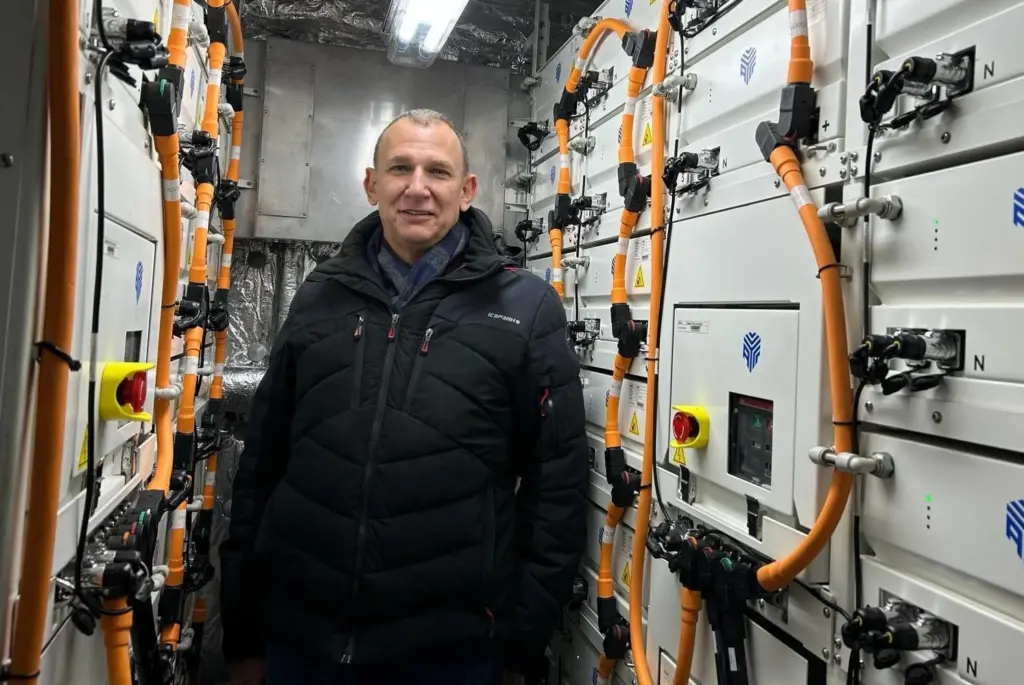
DNV has just awarded approval for what AYK Energy calls a ‘game changing’ new range of batteries that can be used in ferries, tugs, workboats, superyachts and fishing vessels as well as tankers and container ships.
The approval will spur the firm on to ’ramp manufacturing’ of its latest range, which includes its Pisces, Pisces+, OrinaAN and OrianAN+, as well as aluminium versions of the older varieties.
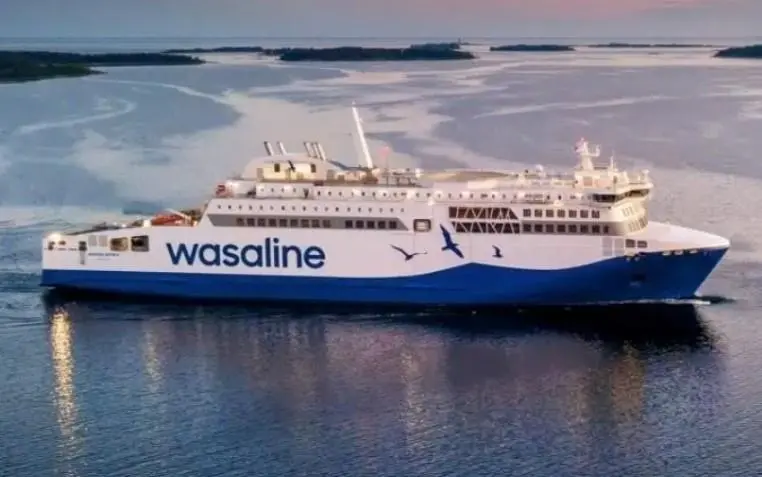
The first step will be to carry out a large retrofit on the hybrid-electric ro-pax ferry Aurora Botnia, owned by Wasaline, which operates a daily service between Finland and Sweden.
“We are very proud to secure this approval from DNV,” said Kruger, a South African by birth who is now based in Andorra. “It is testament to the enormous efforts of our engineering team to drive innovation without compromising safety, quality and performance. We have listened to industry and developed this range to deliver both higher energy density which is ideal for ferries, workboats and tugs.
”And at the same time we’re innovating systems that strike a balance between power and energy density which works better for hybrid applications.
“Our system design and engineering philosophy allows us to respond quickly to developments in cell technology and market demands. We can go from concept to type approved solution within months. As a result AYK is now offering the widest range of system choices in the maritime industry.”
Kruger says he based his first factory in 2023 in China to be at the heart of the supply chain – and that the Kingdom of the Dragon is 10 years ahead of Europe.
It’s a strategic place to be, with the world becoming more and more conscious of emissions at ports.
More ports like Rotterdam, Antwerp, LA, Long Beach and Singapore now require low emission or zero emissions operations, while the European Union is targeting operators via the Emissions Trading Scheme (ETS), which issues fines and penalties if ships do not comply with emissions reporting and can even deny port access for repeated breaches.
The EU is also running the FuelEU maritime programme, which imposes limits on the carbon intensity of a ship’s energy and encourages use of green fuels.
Related Articles
 OTHER NEWS
 ACCESSORIES & EQUIPMENT
 SPECIAL REPORTS