



Project measures ultra-low Mediterranean nutrient levels
A new project is exploiting the ultra-low detection ability of laboratory equipment to measure extremely low nutrient concentrations in Mediterranean waters.
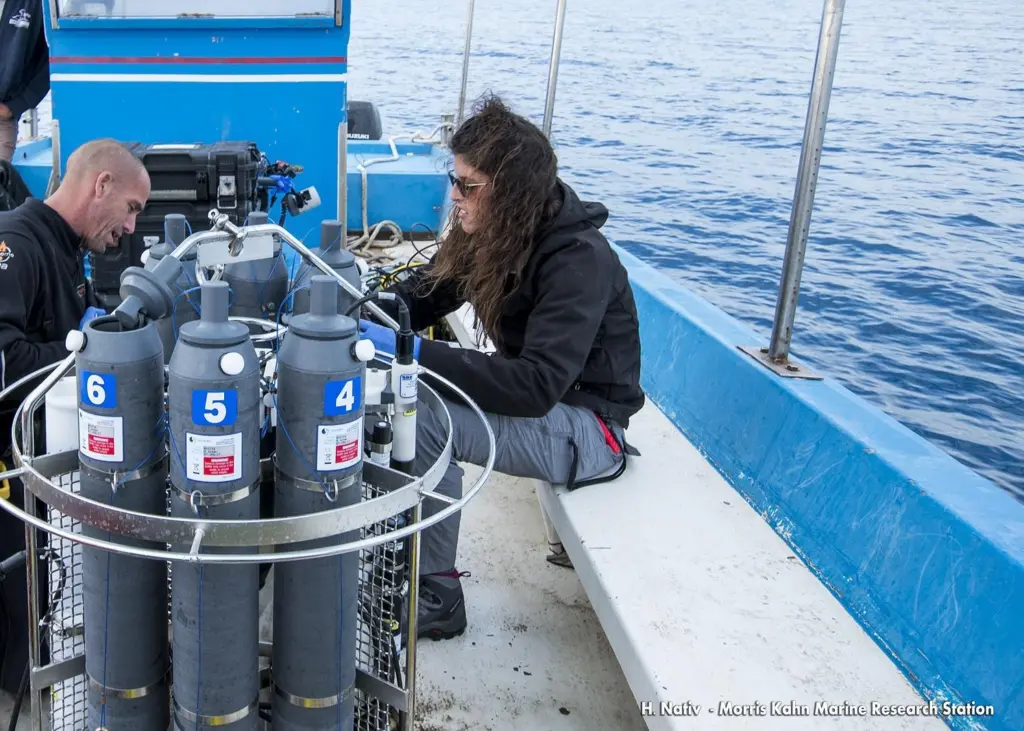
The Eastern Mediterranean has the lowest regional concentration of dissolved nutrients anywhere in the global ocean. The low levels of plankton caused by low nutrient levels result in a low biomass of fish and researchers at Haifa University’s Marine Biological Station in Israel will seek to quantify and understand the nutrient cycle in coastal regions by utilising an automated segmented flow analyser from SEAL Analytical, which has been specially adapted to accommodate ultra-low measurements.
Leading the project, Professor Krom said: “We plan to develop understandings which will inform stakeholders such as government. For example, there is a discussion about the potential for fish farms off the Israeli coast, so our work will enable science-based decisions regarding the quantity of fish that the system can support.”
SEAL AutoAnalyzer 3
The SEAL AutoAnalyzer 3 (AA3) is a four-channel system which measures phosphate using a long flow cell with a detection limit of 2Nm; Ammonia using a JASCO fluorometer with a similar ultra-low detection limit; and silicate, which has a higher concentration, using SEAL’s high resolution colorimetric technology.
Three data sets have been taken from the eastern Mediterranean Sea (EMS) so far. It is being used to determine the season nutrient cycling in the system, which will then be used to help understand the nature of the food web and the effects of global environmental and climate change.
By Rebecca Jeffrey
Related Articles
 ACCESSORIES & EQUIPMENT
 ENVIRONMENT
 MARINE CONSTRUCTION