






Maximising efficiency with ultrasonic antifouling systems
Keeping the hull clean is one of the most important – and simple – ways of keeping costs down.

The more biofouling on the hull, the greater the drag, the worse the fuel efficiency.
Chris Hewitt, product and technical manager at Cathelco, explains how ultrasonic antifouling systems can save up to 13% in annual fuel consumption by helping to keep the hull clean.
The biofouling sequence is more or less instant, beginning as soon as a vessel hits the water. Algae accumulates within hours and, if micro fouling is left untreated, creates an environment for macro fouling to form: providing the perfect feeding ground for larger organisms including barnacles and mussels.
The more the organisms protrude, the worse the drag, and as drag occurs even as a result of the micro-fouling layer forming, entering the sequence at an early stage prevents the stages that follow.
Know your MGPSs from your USPs
Sea water is full of bacteria and different types of fouling, which clogs pipework and reduces flow.
To prevent this, cathodic marine growth prevention systems (MGPSs) are fitted at the seawater intakes. The copper anodes create an environment the organisms dislike, and discourage marine life from settling inside the pipework.
These MGPSs are volume treatment systems, best suited to the sea chest, internal pipework and box coolers, for example. However, for surface treatment such as the hull, ultrasonic protection (USP) is more effective.
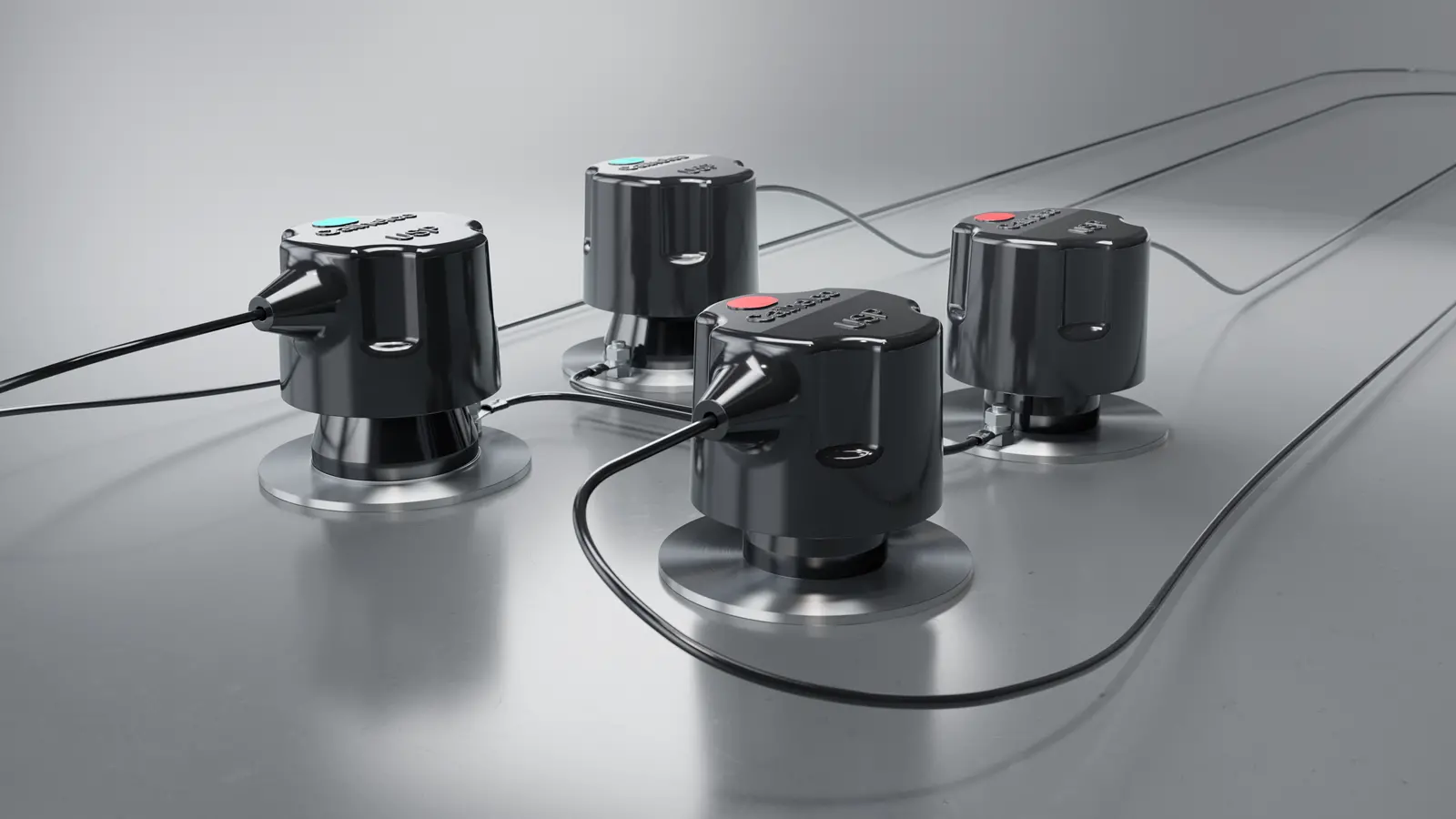
With USP, transducers are attached to the inside of the hull and emit ultrasonic waves, disrupting any kind of a biological attachment to hull surfaces.
Simply put, it vibrates the surface, which biofouling organisms do not like, and they move on. Ultrasonic antifouling systems, such as Cathelco’s DragGone, vibrate into and through the plate, which then comes into contact with algae, disrupts the cell membranes, and prevents organisms from settling and spreading.
MGPSs protect against macro fouling, while ultrasonic systems are more effective against micro fouling at an earlier stage.
Why are guided wave and heterodyning techniques useful?
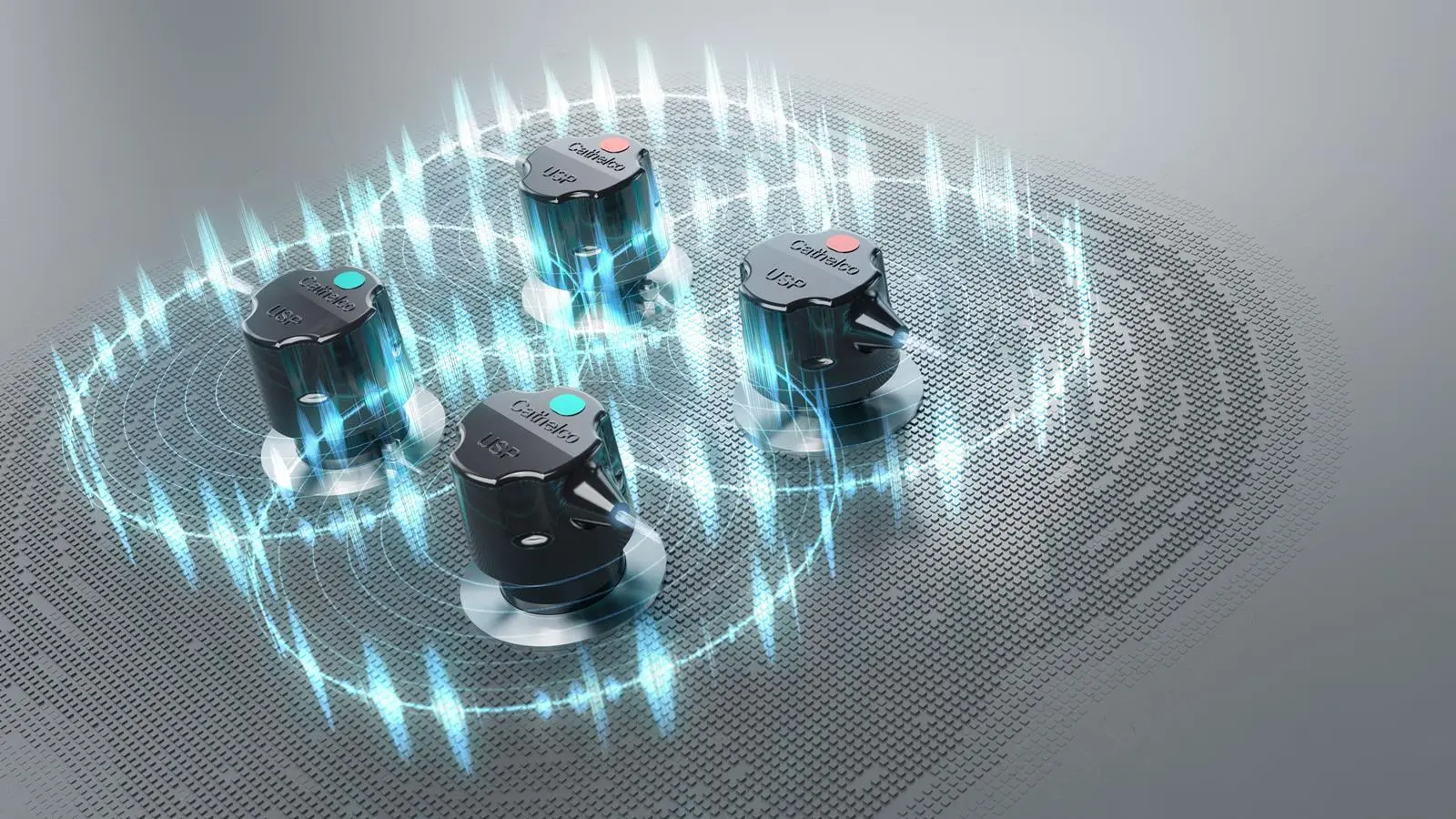
Guided wave is an established technique, predominantly used in non-destructive testing. Essentially, it is an array of transducers of the same frequency, arranged in a certain way, which generates a guided wave effect and creates vibration on a surface.
Cathelco’s patented USP technology enables the waves to travel over longer distances than traditional ultrasonic fouling solutions, which means up to 60% fewer transducers are required.
This minimises installation and operational costs and makes the system more reliable and easier to manage, as there are fewer transducer locations, fewer cable runs, and fewer control panels.
Heterodyning, also called frequency conversion, is another established technique, originally used in radio frequency tuning.
Essentially, if you put two frequencies together you can generate additional frequencies. This is important because the amount of fouling in seawater is so diverse, depending on the location and time of year.
Single frequency transducers are unable to protect against all species of fouling. Generating more frequencies enables protection against a broader range of fouling species. Therefore, multiple frequency transducers enable increased range and optimum efficiency.
How smaller vessels benefit from ultrasonic protection
Over a five-year pilot installation, the USP DragGone antifouling system was tested on the N2H, a 50m superyacht. Transducers were placed in key locations for full hull coverage and the application led to a significant reduction in slime, ensuring the vessel’s hull remained free from common biofouling.
Feedback from the vessel’s chief engineer noted the system’s effectiveness in maintaining the yacht’s performance and appearance, prompting consideration for its inclusion in future vessel builds.
The same ultrasonic antifouling system is installed on the Baynes Sound Connector – a 78.5m car ferry operating on one of the world’s longest cable routes between Denman Island and Buckley Bay on Vancouver Island.
Prior to installation, the vessel was experiencing unacceptable levels of drag that stopped it from achieving the required number of transits each day.
Hull cleaning is a reactive solution to biofouling management. If you have fouling on the hull, you will have suffered from drag before it is cleaned, thereby impacting fuel efficiency.
It is also an expensive process, either during regular dry docking, when the vessel is taken out of service, or using divers, which has potential safety implications.
Ultrasonic protection is a proactive solution, complementing anti-fouling paint, which ensures the hull remains clean from day one, as soon as it has been cleaned.
In an operating context, where the onus lies heavily on realising efficiencies, this technology delivers both financial and environmental benefits – less fuel, less cost, fewer emissions.
Related Articles
 INDUSTRY NEWS
 VESSELS
 SAFETY & TRAINING