




Rijkswaterstaat vessels get it wrong
It seems that even the very experienced Dutch Rijkswaterstaat is not above learning an important – but chastening – deck kit lesson
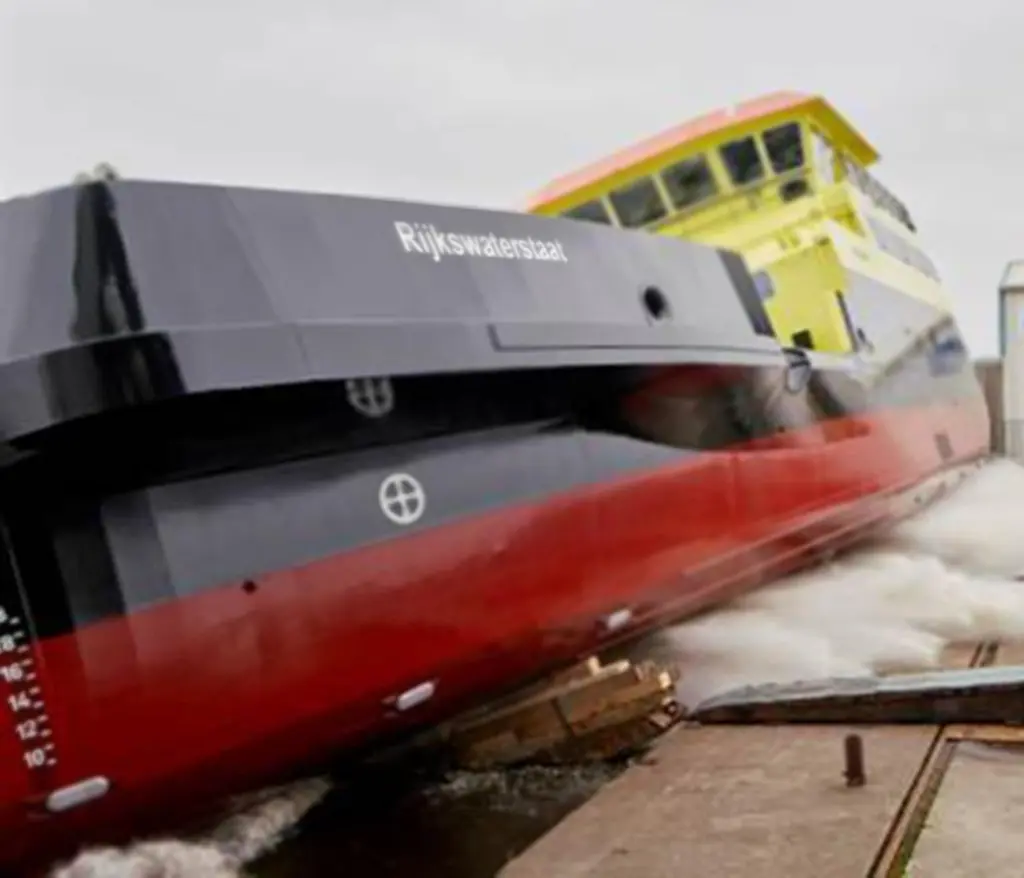
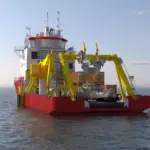
Three new eco-friendly MPV-30 hybrids for the Rijksrederij, the fleet management arm of the Rijkswaterstaat (the Dutch Ministry of Infrastructure and Waterways) were commissioned with a blaze of publicity in 2017, but instead of starting work, they’ve been conspicuously absent.
“They have not yet been accepted,” confirmend Rijkswaterstaat spokesperson, Yvonne Fernhout.
The Eur26.3m contract for the Merwestroom, Waddenstroom and Scheldestroom have resulted in MPVs capable of engaging in a number of roles previously covered by five older, retiring vessels. These included patrol operations, fisheries research, water quality, hydrographic and environmental surveys plus, last but not least, channel marking services.
However, it appears they have not met the draught criteria that enables them to be utilised around particularly shallow waters or tidal reaches. Further, she admitted the MPV’s also have “line of sight” difficulties.
So, what went wrong? “The most significant issue has been that the original cranes did not have enough capacity for lifting buoys,” Fernhout explained, and added “the replacement cranes proved to be too large and heavy for the design”.
This affected both the view from the wheelhouse and weight, as a result the vessels presently sit too low in the water. However, she underlined “they can still be used – just not for all the purposes we have in mind yet”.
Moreover, the department is correcting the issues with the Bijlsma Wartena yards and Fernhout says together they have “a number of potential solutions” that should rectify the problem. While at present unable to disclose the technical details – or possible further costs – she expects the strategy to be decided in a few weeks, with the vessels finally entering into service this autumn.
By Stevie Knight
Related Articles
 OTHER NEWS
 ACCESSORIES & EQUIPMENT
 ACCESSORIES & EQUIPMENT