
The buoyant life of Steve Barstow
“If you measure the waves washing up on a Cornish coast, you can ‘see back in time’ to the storm that created them, perhaps tens of thousands of kilometres away,” says Stephen Barstow, Fugro Oceanor’s chief ocean wave climatologist.
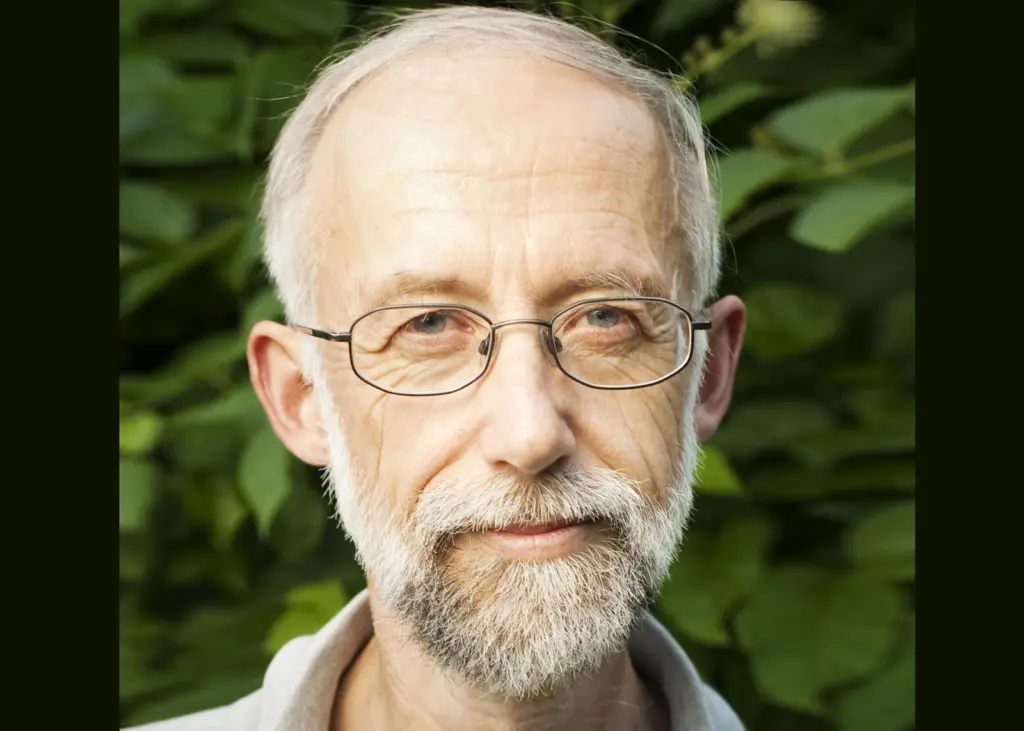
Although the huge forces of nature have exerted a fascination since college, he adds on a more prosaic note: “I was also envious of biologists who got to go on exotic field trips, unlike us physicists.”
Despite a doctorate from Heriot-Watt University in Edinburgh, British research positions in the early 1980s proved hard to come by. However there were some things Mr Barstow wasn’t willing to compromise on. “During one interview it became clear I was to research ocean dumping of radioactive material. Let’s just say it didn’t suit me.”
On the other hand, the 1980s North Sea oil boom meant Norway was desperate for capability. Mr Barstow, already used to Edinburgh weather, didn’t see any issues with going even further north to Trondheim’s Continental Shelf Institute. Here, wind, wave and current measurements led onto developing a deep ocean data buoy “and fun playing with a lot of models in the wave tank”. Fun paid off. The smaller, lighter, and now well-known Wavescan buoy provided a welcome alternative to a hefty 10m US model.
The start of international work took him and the buoys around the world from the Ekofisk fields in the North Sea to Africa. “It was interesting work and very occasionally you had the ‘excitement’ of buoys drifting off.” Reclaiming them, he says, sometimes required a “finder’s fee”.
One buoy beached on the Ivory Coast cost a couple of cases of wine. “By the time we got our guys to it, the buoy had been completely emptied out. Every house in the village had taken a piece as a souvenir so each component had to be bartered for a bottle.” He adds: “We also once found a buoy in Portugal being used for Christmas lights in a scout hut.”
The expensive oil prices of the late 1980s meant interest in wave research spread to places as exotic as Fiji and Tonga and Mr Barstow admits: “I’ve still got pictures of me with flowers in my hair”. Sadly, a diving accident called the very first oscillating water turbine into question. He points out: “Experience has taught me that if you are running any kind of pilot project, you are best locating it close to home where you have better resources and more control.”
Despite this setback, valuable buoy and satellite data combined with global ocean models, blossoming into the WorldWaves package now used by Boskalis, Van Oord and almost anyone else who needs to reliably see ocean conditions “anywhere in the world at any time in the last 50 years.”
A final, very interesting element is that this global view of data could be holding the key to some rather unexpected alternative power developments. “Namibia, for example, has realised it is actually sitting on a wave energy gold mine”, says Mr Barstow.
By Stevie Knight