

Top turnover in tough times at Tyne
At the Port of Tyne’ s annual review last month, Andrew Moffat, CEO of the port, reported an excellent 2008 trading performance, but added a cautionary note that 2009 will be a more difficult trading period and that the port was ready for the challenges and opportunities that lie ahead.
Overall, the port reported a record breaking turnover of £48.6m, an increase of 20%, mainly due to the increase in coal handled by the port. Cash flow from operating activities was similarly impacted, increasing by 22% to £9.6m. Capital expenditure, whilst lower than the previous year, remained significant at £9.7m.
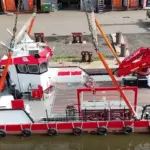
Capital expenditure in 2008 reflected the continuation of investment in port infrastructure which included the installation of the coal conveyor, the expansion of car parking facilities at the International Passenger Terminal, the acquisition of the new pilot cutter ‘Collingwood’ and the purchase of 25 acres of land in North Shields. After taking into account the cost of interest and taxation payments, borrowings increased by £1.6m to £13.4m.
Andrew Moffat told a packed audience at the port’s annual review that as a direct result of the significant investments in its enabling infrastructure, the port had been able to attract larger vessels carrying greater volumes of cargo and thereby provide scale benefits to customers.
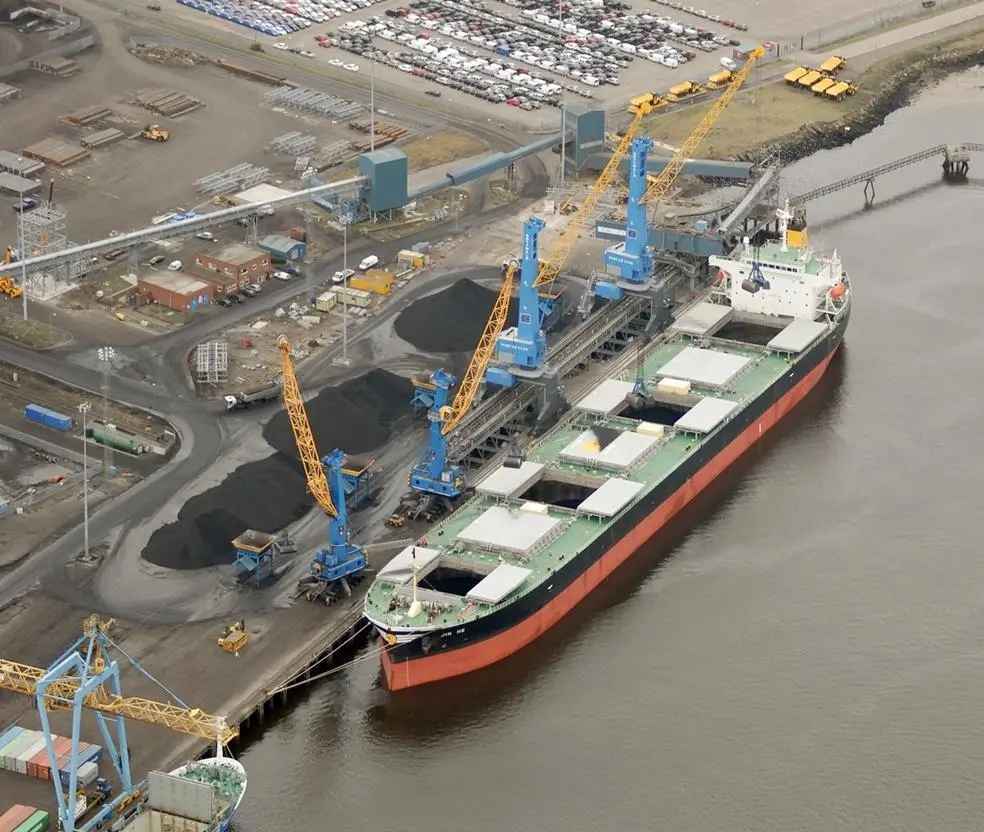
He said, ‘I am pleased to be able to report that the number of panamax-class vessels discharged at the port increased from just one in 2007 to 19 in 2008. Included in this statistic was the 229m long ‘Golden Spring’, carrying 65,000 tonnes of coal, the largest cargo shipment ever handled by the Port of Tyne. Clearly coal is important to the business, but it also handles significant volumes of other cargoes, for example, scrap, steel, paper, woodpulp and grain.’
In describing the Port of Tyne’s five business areas; conventional and bulk cargo, car terminals, cruise & ferries, logistics and estates, Mr Moffat highlighted the fact that the Port of Tyne was the 4th largest coal importer in the UK in 2008, handling 3m tons. This 65% increase in coal volumes represented over 80% of cargo handled. This growth has resulted in larger coal stocking areas and increased train operations. 2008 saw a 48% increase in rail traffic with an average of 42 trains leaving the port each week although during one week in November, a record 67 trains left.
Andrew Moffat concluded, ‘While everyone tends to think of a port as being steeped in history, we should never lose sight of the fact that a port is also a service provider operating in a global market and as such, the Port of Tyne is not immune to changing trends, what is happening to our customers is happening to us. Unsurprisingly, 2009 is anticipated, and is to date, a much more difficult trading period. We have been working with our major customers to identify and share cost savings and resource efficiencies and we are looking to gain a further foothold in the energy market with existing and new customers. The Port of Tyne is ready for the challenges and opportunities that lie ahead.’