![MaritimeJournal[Seawork]](https://www.maritimejournal.com/wp-content/uploads/2026/09/MaritimeJournalSeawork.svg)






EEDI solution for ro-ro sector welcomed
The decision of the IMO Protection Committee (MEPC) to proceed with sector specific methodology for energy efficiency requirements for ro-ro cargo and ro-pax vessels has been welcomed by the industry.
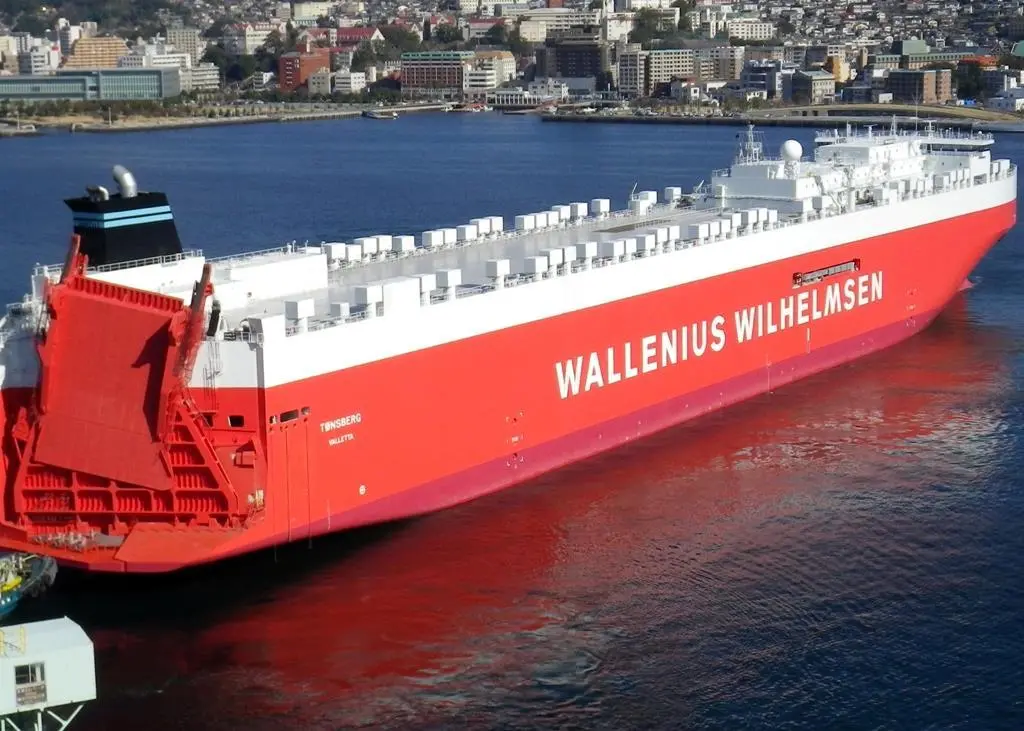
A proposal submitted by Germany, Sweden and the European Shipbuilders Association, CESA, has now been recognised by the IMO as the best way forward. The proposal incorporates ship design features into he Energy Efficiency Design Index (EEDI) formula, which otherwise typically focuses on the amount of installed power in relation to the vessel’s size and speed.
Johan Roos, the trade association Interferry’s executive director of EU and IMO affairs, said: “Our approach to a workable EEDI solution for ro-ro vessels was two-fold. Obviously it had to bring about absolute efficiency gains and a consequent reduction in greenhouse gas emissions. But we also had to ensure that new ships can be built for all ro-ro markets taking into account any external factors – such as limitations on draught or length, or the need for having enhanced power to operate in tidal areas or across very busy straights.”
The EEDI is due into force in 2013 and affects most ship types. At a previous IMO session, an extended timeline was agreed for ro-ro ferries due to the extensive variation of their design, after concerns were raised that the approach was too simplistic for the ro-ro sector. Ferries are often one off bespoke designs for a particular route.
Since then Interferry, and other industry bodies, have worked hard to assess seven different proposals for a fair EEDI formula that would not penalise the specialised power requirements of ro-ro operations.
Related Articles
 OTHER NEWS
 ACCESSORIES & EQUIPMENT
 ACCESSORIES & EQUIPMENT