![MaritimeJournal[Seawork]](https://www.maritimejournal.com/wp-content/uploads/2026/09/MaritimeJournalSeawork.svg)






See at night with Seenite in any sea state
VDL has released the Seenite Mini maritime thermal night vision system.
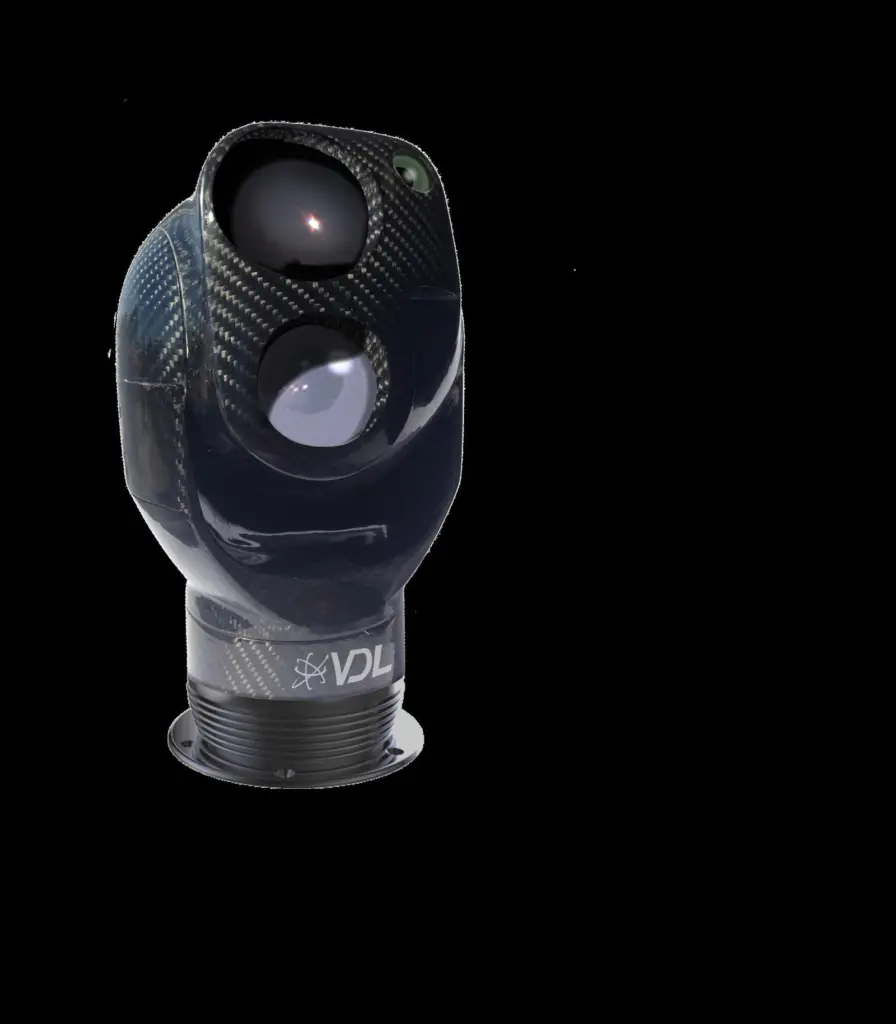
It is a gyro-stabilised, high resolution thermal imaging system with an integrated high power laser and high zoom colour camera, in a luxury carbon fibre housing and at an affordable price.
Dorset UK based VDL says the all new patent pending Seenite Mini system is designed specifically for the marine market using the latest innovations in night vision technology.
The Seenite Mini is claimed to be the only compact, lightweight, gyro-stabilised camera system which includes a high resolution thermal imager, high zoom day/night camera, and a powerful laser pointer at its particular price point. It is designed to provide optimum surveillance benefits at any time, in any sea state.
The captain of a 30m vessel in the USA with a recently commissioned Seenite system has reported that during severe weather conditions experienced on the maiden voyage, the Seenite Thermal Night Vision System became a necessity, as it was able to detect objects that were not showing up on his radar. Seenite’s are able to see channel markers, floating debris, exposed rocks and other hazards in total darkness.
“Every vessel would befit from a Seenite to compliment their radar. Radar technology will always be an essential tool for safety and navigation but a Seenite’s high resolution thermal imager and high zoom colour camera can be used to further investigate that unfamiliar target on the radar at any time, in any sea state”, said Andrew Chandler, director designate at VDL.
VDL has been providing night vision solutions to the marine industry for 20 years but recent advances in reducing size, increasing resolution and cost reduction has enabled the production high performance thermal imaging systems in compact, lightweight housings at affordable pricing. Night vision is no longer reserved for the large superyachts alone, any vessel can now benefit from thermal imaging technology.
Related Articles
 ACCESSORIES & EQUIPMENT
 ACCESSORIES & EQUIPMENT
 ACCESSORIES & EQUIPMENT