![MaritimeJournal[Seawork]](https://www.maritimejournal.com/wp-content/uploads/2026/09/MaritimeJournalSeawork.svg)





Essex sea defence scheme gets green light
The UK Environment Agency (EA) has given the go-ahead for a £36m sea defence scheme for the Essex coast aimed at protecting over 3,000 homes for the next 100 years.
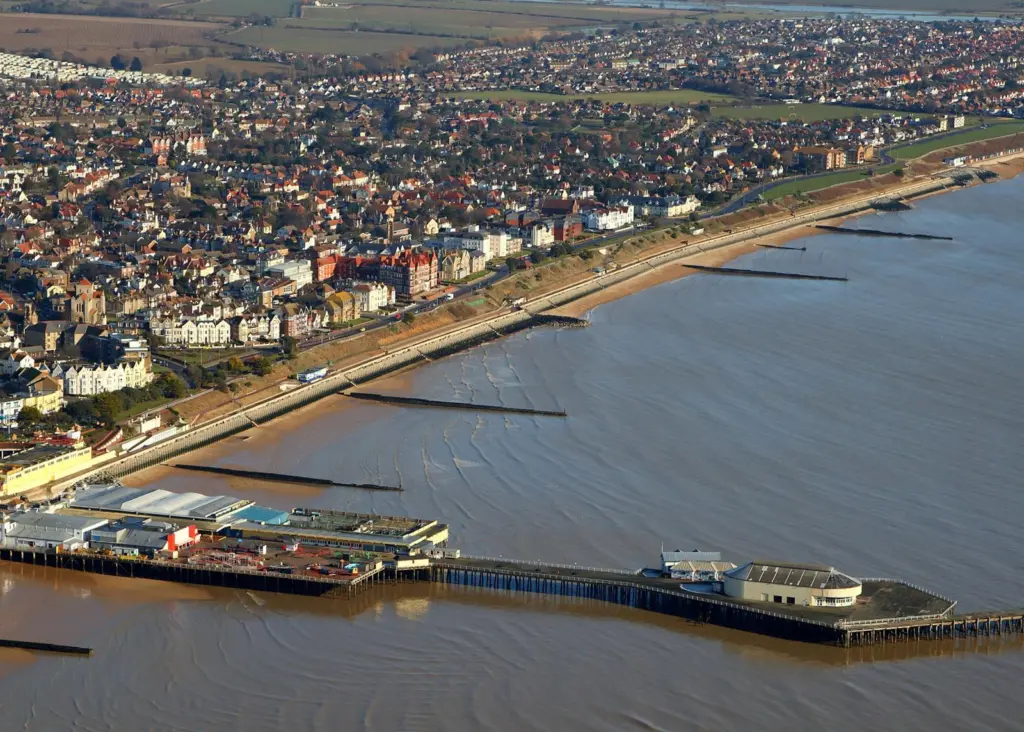
Tendring District Council and Essex County Council have each earmarked £3m for the project, both expected to commit a further £1m. The Government’s Growth Fund has contributed £526,000 with £27m coming from Flood Defence Grant in Aid from the EA. The project covers the 5km stretch from Clacton Pier to Holland Haven with work due to start late in 2014.
The aim is to combat continued long-term loss of sediment causing lowering of beach levels and erosion to the frontage, the main risk coming from storm waves. Work will involve new groynes, along with recharging of the beach. Twenty three fishtail groynes, each 90m long and between 185 and 270m apart, along with three straight groynes, each 50m long, will be constructed. The new beach will comprise sand and shingle mix along the whole frontage, 1m below the existing promenade level.
Fishtail rock groynes serve two main purposes, to hold the beach material and also limit movement of material along the shore from wave action and tidal currents. They narrow the gap for offshore movement of material as well as increasing wave diffraction at the ends. Three grades of rock will be used, totalling between six and 13 tonnes for each of the groynes. Straight groynes are required where spacing of the fishtail groynes is larger than technically feasible.
The requirement to recharge the low beach levels results from reduced sediment supply from cliff erosion, themselves now protected by coastal defences. The plan involves using a sand/shingle mix similar to the present material thus avoiding significant changes to the environment. It is recognised that additional recharge may be required in the future.
UK based engineering consultancy Mott MacDonald Group drew up a number of options for the scheme which were put out to public consultation earlier this year before the final one was chosen. The Council will now seek planning permission for the project before appointing a contractor for the works.
Related Articles
 FEATURES & VIDEOS
 MARINE CIVILS
 OTHER NEWS