![MaritimeJournal[Seawork]](https://www.maritimejournal.com/wp-content/uploads/2026/09/MaritimeJournalSeawork.svg)





Faulty marine beacons in the spotlight
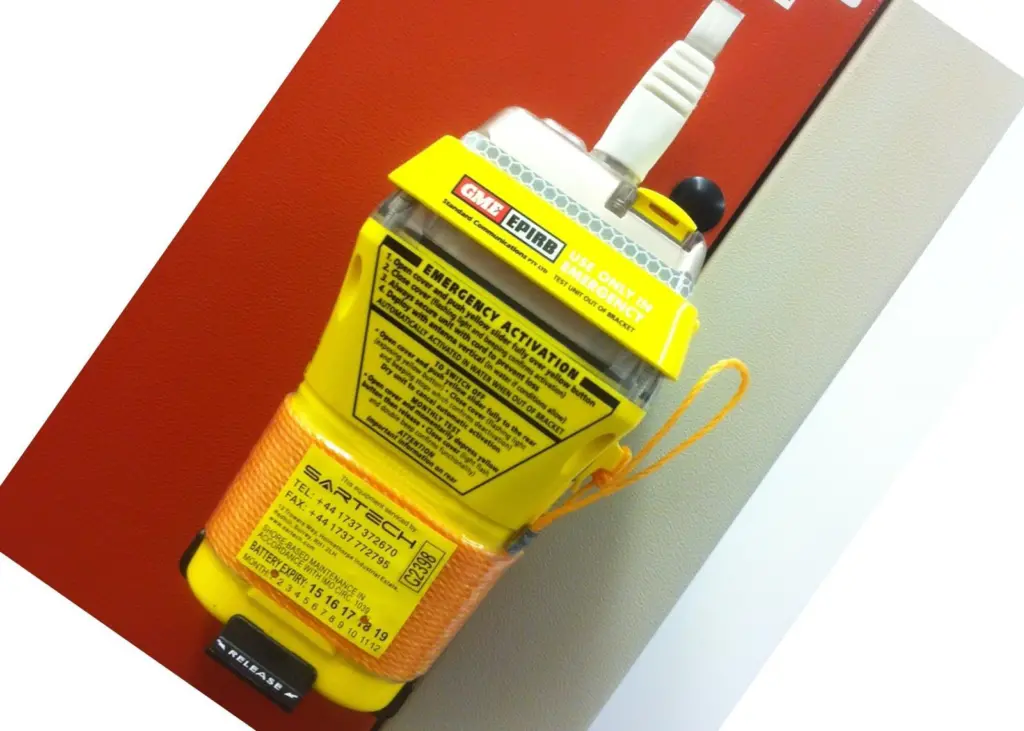
Ireland’s Minister for Transport Leo Vardkar has launched an inquiry into the failure of marine emergency position indication radio beacons (EPIRBs) three years ago.
Paul, Kenny and Shane Bolger, who were all wearing lifejackets and had an EPIRB on their 19ft vessel, all lost their lives when they capsized in Tramore Bay.
Following the incident, the Australian manufacturer of the beacon, GME, issued a precautionary safety alert to encourage owners of its EPIRBs to undertake the self test detailed in its instruction booklet and on the front panel of the EPIRB itself.
Sean Griffin of GME, told Maritime Journal: “GME is greatly concerned with this situation and we will continue to fully cooperate with maritime safety authorities. We are undertaking an independent analysis of the GME design to ensure the robustness and integrity of our design. Samples of failed microprocessors have also been returned to the manufacturer for examination.”
GME said that it had discovered a microprocessor fault may have been to blame after it carried out an initial review of its production and returns records.
Recent analysis has found a potential problem with MT400 and MT401 EPIRBS manufactured between 2006/7. It should be noted however that studies of later returns (2008 onwards) show a dramatic drop off in failures.
The percentage failure rate of these EPIRBs currently stands at 0.12%, but GME told MJ a problem can be difficult to identify since “the problem does not manifest immediately, it can take several years for the fault to appear”.
“EPIRBs are a complex piece of electronic equipment, the reality is that any electronic device can fail and from time to time do so,” said Mr Griffin.
The Department of Transport’s new Irish Maritime Administration has reportedly advised owners of the beacons to carry out immediate testing.
Meanwhile, UK search and rescue expert, Sartech, is calling on EPIRB owners to ‘Register for Rescue’ after seeing a significant increase in emergency beacon servicing in the last two years.
Related Articles
 OTHER NEWS
 ACCESSORIES & EQUIPMENT
 ACCESSORIES & EQUIPMENT