![MaritimeJournal[Seawork]](https://www.maritimejournal.com/wp-content/uploads/2026/09/MaritimeJournalSeawork.svg)






Seabirds put paid to London Array Phase 2
The consortium behind London Array announced this week that it will not proceed with the development of Phase 2 of the offshore windfarm because of the technical challenges associated with migrating seabirds.
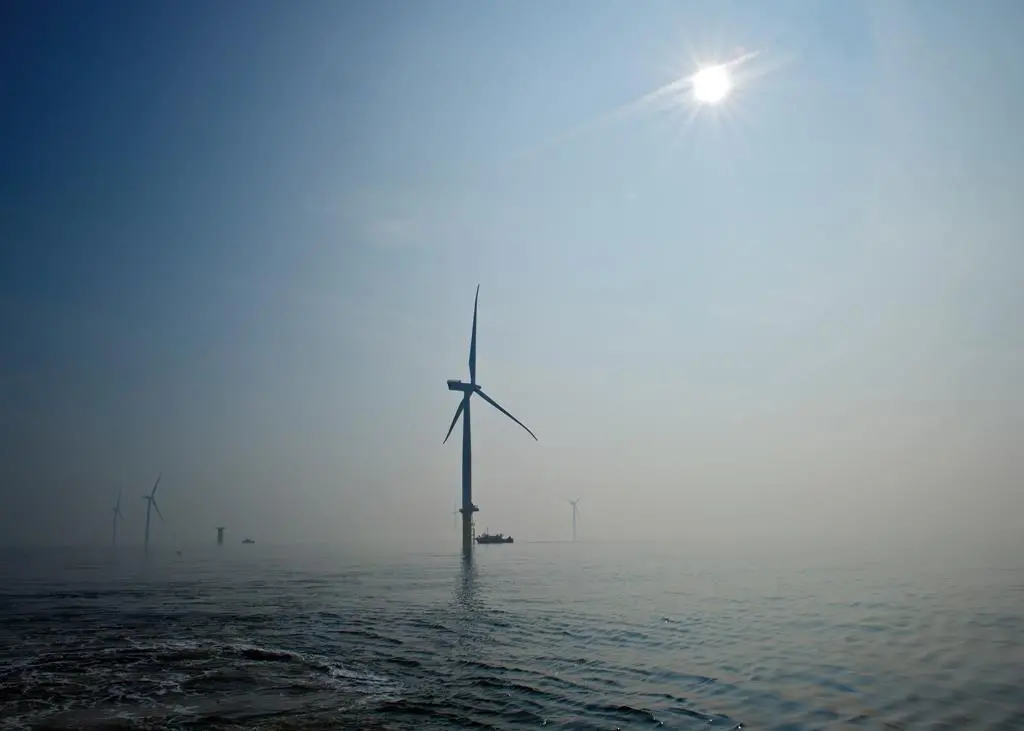
Environmental uncertainties surrounding the site require a wait of at least three years until Phase 2’s potential impact on birds could be completely assessed.
General manager, Mike O’Hare, said: “Phase 2 has always been subject to a Grampian condition requiring London Array to demonstrate that any change caused by the additional turbines to the habitat of the Red Throated Divers that over winter in this part of the Thames Estuary would not compromise its status as a designated environmental Special Protection Area.”
Mr O’Hare pointed out that at the end of the three year time period there would still be no guarantee that Phase two could go ahead.
London Array has now formally requested The Crown Estate to terminate the agreement for lease for the Phase 2 area and has cancelled the remaining grid capacity it had reserved at the National Grid substation at Cleve Hill, Graveney, Kent.
Shareholders will now concentrate on other development projects in their individual portfolios. Existing operations and staffing levels at Ramsgate will be unaffected.
The original consent for London Array was for a windfarm of up to 1000MW, with 630MW in Phase 1, which is complete.
Phase 2 had the potential to provide capacity for a further 370MW although known constraints on site resulted in plans for just 240MW being drawn up.
The project consortium comprises of DONG Energy (50%), E.ON (30%) and Masdar (20%).
Related Articles
 OTHER NEWS
 ACCESSORIES & EQUIPMENT
 ACCESSORIES & EQUIPMENT