


Dredging addresses sea bottom waste
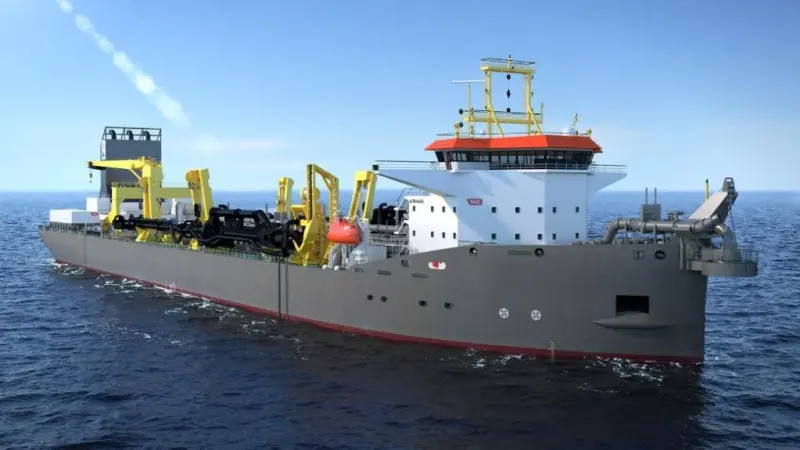
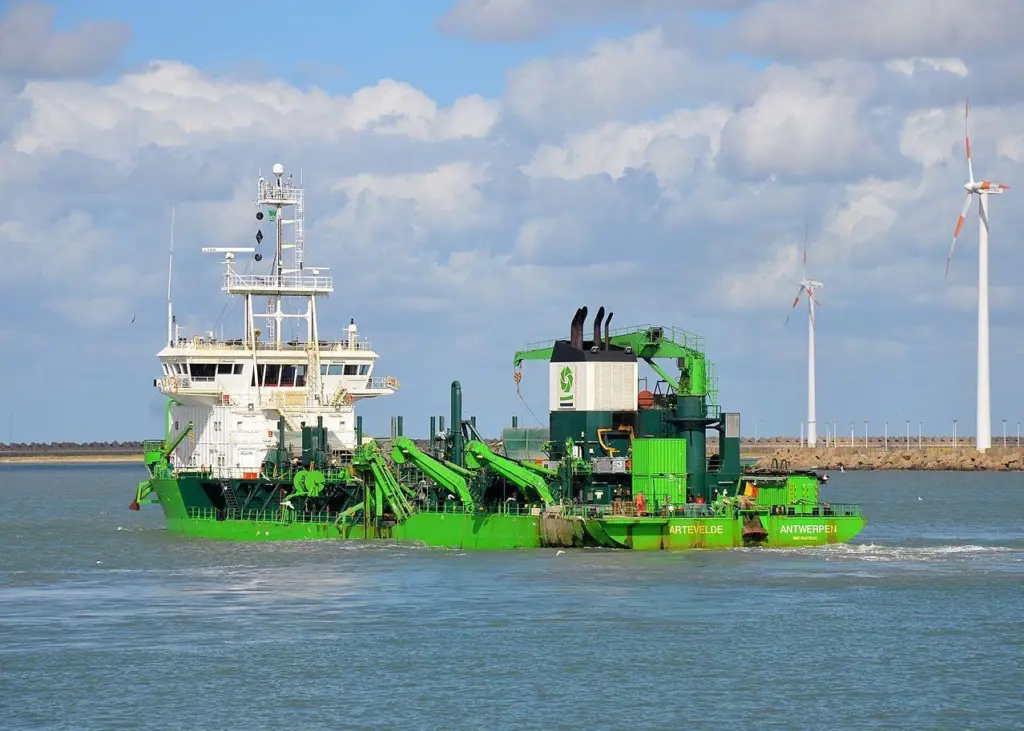
The Belgium based DEME Group subsidiary Dredging International has deployed its trailing suction hopper dredger Artevelde to participate in the Belgian Fishing for Litter (FFL) project.
As part of the programme ‘Working together for a waste-free North Sea’, launched in 2012 by the Foundation for the Development of Sustainable Fisheries and Waste Free Oceans, several organisations have expressed their willingness to join forces to make a waste-free North Sea a reality.
The Foundation for the Development of Sustainable Fisheries SDVO, Waste Free Oceans WFO, DAB Vloot, DEME, the Directorate-General for the Environment, Ecodivers and Healthy Seas have joined as partners in the effort.
The marine industry is confronted with increasing problems as waste on the bottom of the sea regularly causes disruptions to dredging works during stormy weather. The pilot project is being undertaken by the Artevelde, which currently carries out dredging works in Belgian waters and ports. The involvement of other ships of the company in the FFL project will be decided after evaluation of the results of the first six months.
SDVO has again requested EKOL in Houthalen to manufacture benches from plastic waste collected from the sea. In collaboration with DAB Vloot the benches will be installed at the various ferries operating under DAB Vloot management. Another project component involves the preparation of communication materials, such as information boards, informing the passengers of the harmful effects of litter in the environment on a daily basis.
In order to realise the third form of Fishing for Litter, SDVO has started the proactive collection of fishing nets and fishing gear and offering it for recycling. This component of the FFL project now gets another dimension due to the collaboration with Ecodivers, a group of divers who, also in the scope of the Healthy Seas project, on a voluntary and structured basis will help clean up the waste around a number of shipwrecks off the Belgian coast.
In the scope of the Healthy Seas project the fished up nets will be converted into raw materials used for the production of socks and other items (www.healthyseas.org). The parties involved will formally sign a collaboration agreement at a meeting next year.
By Larz Bourne