





Europe turns its back on negative bidding
Europe’s offshore wind industry is turning the tide against negative bidding, marking a major shift in how offshore renewables projects are financed and delivered.
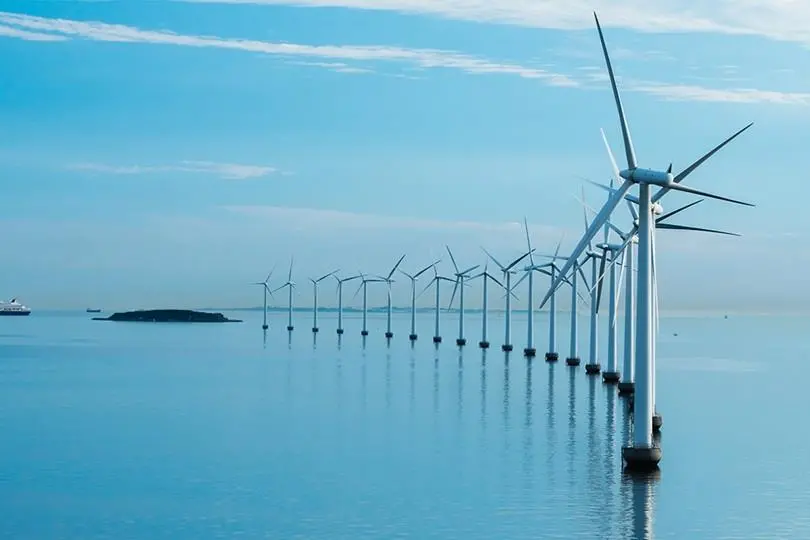
That’s according to WindEurope, which argues that for years, negative bidding auctions – where developers pay governments for the right to build windfarms – have undermined investment and delayed marine construction projects.
Now, governments in Denmark, Germany and the Netherlands are moving towards Contracts-for-Difference (CfDs) to boost investor confidence and accelerate offshore wind growth.
“The three governments that have been running negative bidding auctions for offshore are now moving to CfDs. They are right to do so: Negative bidding makes offshore wind more expensive,” said Giles Dickson, WindEurope CEO.
“It means higher upfront costs and higher financing costs. And these additional costs are passed on to consumers and/or the wind energy supply chain. Negative bidding may seem a short-term gain to Finance Ministries. But it’s a long-term cost for society.”
Rapid policy shift
Many countries already run CfD auctions, such as Belgium, France, Ireland, Italy, Lithuania, Poland, Romania, Spain and the United Kingdom.
And now others are looking to follow suit. For example, Denmark’s 2024 offshore wind auction failed to attract any bidders due to negative bidding, prompting a rapid policy shift. Its upcoming 3 GW tender will now be offered under a CfD model.
Germany’s latest offshore auction also collapsed under its uncapped negative bidding system, pushing the government to reform the Offshore Wind Energy Act to allow CfDs by 2026.
In the Netherlands, the government’s new “Action Plan for Offshore Wind” phases out negative bidding from 2027, introducing CfDs and a guarantee fund to back Power Purchase Agreements.
These reforms come as the EU targets a dramatic scale-up – from 21GW of offshore wind today to 300GW by 2050.
Wind Europe said that the industry hopes that ending negative bidding will secure investment, stabilise costs and revitalise Europe’s marine construction and offshore renewables sectors.
Related Articles
 ELECTRICAL SYSTEMS
 ENVIRONMENT
 ENVIRONMENT